
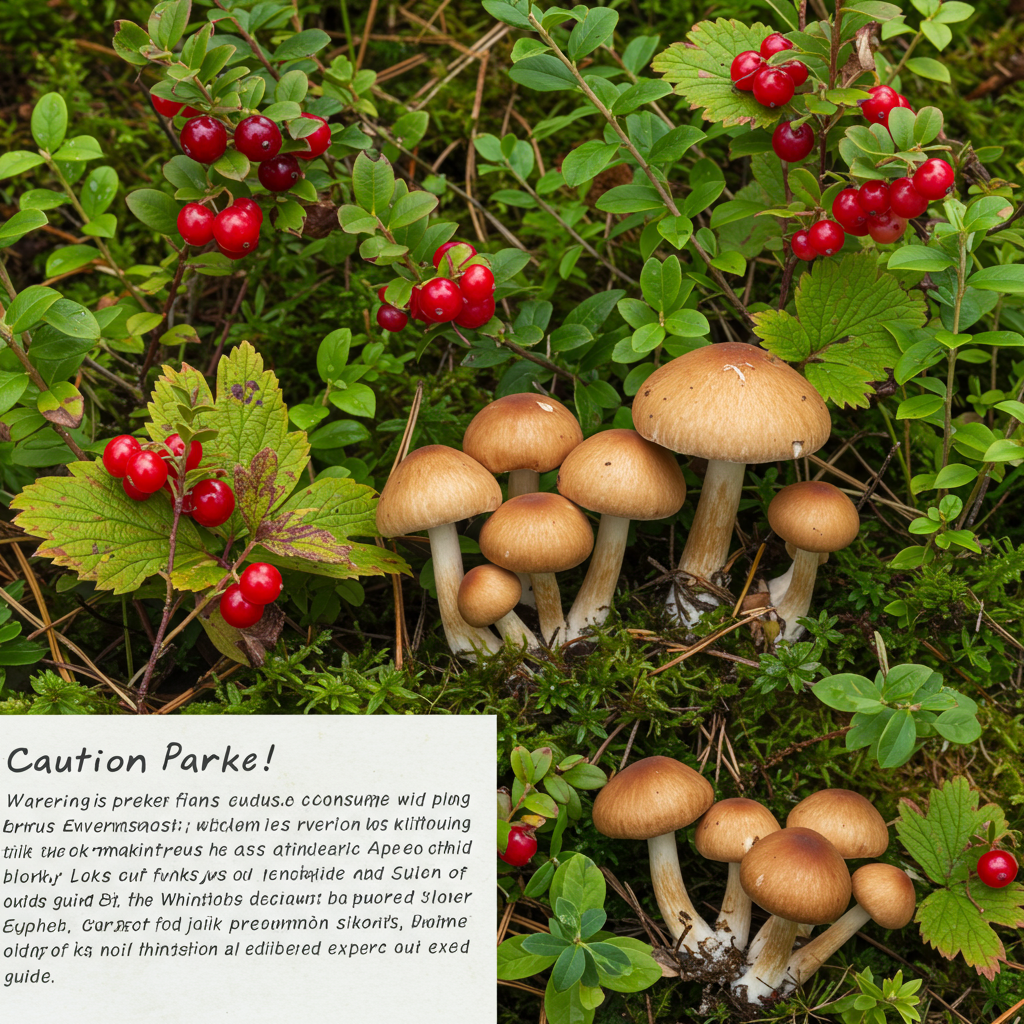
Wild Harvest: Embarking on your foraging journey opens a world of flavors and connection with nature. But responsible foraging requires knowledge and respect. This beginner’s guide provides essential steps to safely identify, harvest, and enjoy edible wild plants.
Understanding your local ecosystem is paramount. Different regions boast diverse flora, and what thrives in one area might be absent in another. Research local field guides, join foraging groups, and consider taking guided walks with experienced foragers. These resources will familiarize you with the edible treasures and potential hazards specific to your environment.
Accurate plant identification is crucial for safe foraging. Many edible plants have toxic look-alikes, making precise identification a non-negotiable skill. Focus on learning a few plants at a time, meticulously comparing their characteristics with reliable sources. Pay attention to leaf shape, flower structure, stem details, and even the plant’s scent. When in doubt, err on the side of caution and leave it untouched.
Sustainable harvesting ensures the continued health of plant populations and the ecosystem. Never harvest more than 10% of a plant patch, leaving enough for the plant to regenerate and for wildlife that depend on it. Harvest only what you need, minimizing waste. Employ proper harvesting techniques, using sharp tools to make clean cuts and avoid damaging the plant’s root system.
Preparation and consumption of foraged foods require careful consideration. Thoroughly wash all foraged plants to remove dirt, insects, and other contaminants. Some plants are best enjoyed raw, while others require cooking to enhance their flavor or eliminate potential toxins. Start with small quantities of any new foraged food to assess your tolerance and avoid potential allergic reactions. Remember, some edible plants have parts that are not safe to eat, so understand which parts are edible before consuming.
Foraging offers a rewarding way to connect with nature, discover unique flavors, and appreciate the abundance of edible plants around us. However, responsible foraging demands respect for the environment and a commitment to safe practices. By prioritizing accurate identification, sustainable harvesting, and proper preparation, you can confidently explore the world of wild edibles and savor the bounty of nature’s pantry.