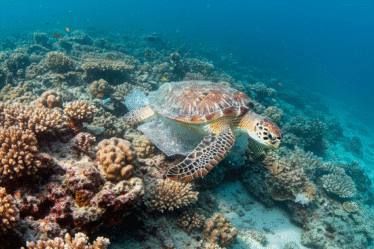
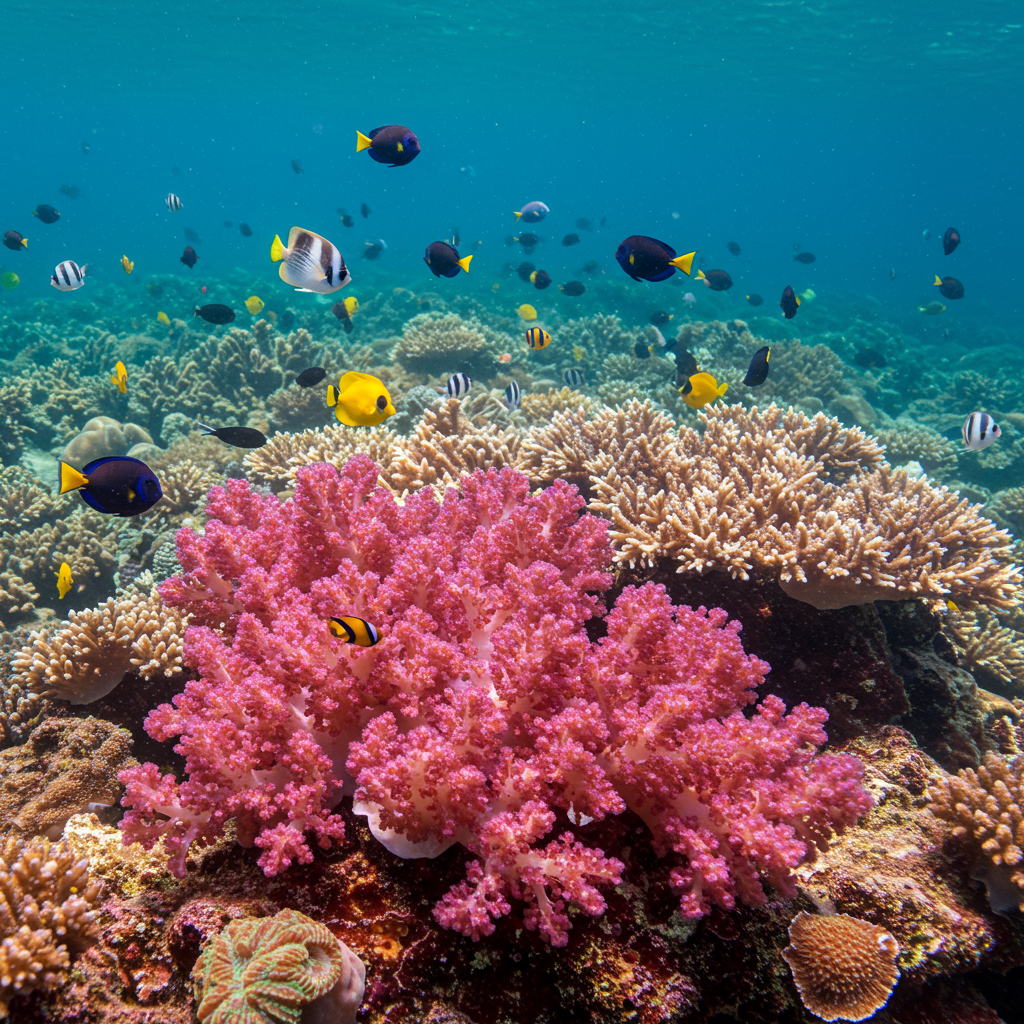
Coral reefs, often called the “rainforests of the sea,” pulse with vibrant life and breathtaking beauty. These intricate ecosystems, built by tiny coral polyps, support an astonishing diversity of marine species. From the dazzling colors of reef fish to the slow, graceful movements of sea turtles, coral reefs offer a glimpse into a world teeming with wonder. However, these underwater gardens are increasingly fragile, facing numerous threats that jeopardize their very existence.
One of the most significant dangers to coral reefs is climate change. Rising ocean temperatures cause coral bleaching, a phenomenon where corals expel the symbiotic algae that provide them with food and color. This leaves the corals vulnerable to disease and ultimately, death. Ocean acidification, another consequence of increased carbon dioxide in the atmosphere, inhibits the corals’ ability to build their calcium carbonate skeletons, further weakening the reef structure.
Beyond climate change, human activities pose direct threats. Overfishing disrupts the delicate balance of the reef ecosystem, while destructive fishing practices, like blast fishing, cause irreparable damage to the coral structure itself. Coastal development and pollution introduce sediment and harmful chemicals into the water, suffocating corals and hindering their growth. Even seemingly harmless activities like touching corals or anchoring boats directly on the reef can cause significant harm.
Protecting these vital ecosystems requires a multi-pronged approach. Globally, reducing greenhouse gas emissions is crucial to mitigate the effects of climate change. Locally, implementing sustainable fishing practices and establishing marine protected areas can help safeguard reefs from direct human impact. Educating the public about the importance of coral reefs and promoting responsible tourism can also play a vital role in their preservation.
Imagine a world without the vibrant colors and bustling life of coral reefs. Not only would we lose a source of immense natural beauty, but also a critical component of our planet’s health. Coral reefs provide essential ecosystem services, including shoreline protection, food security for millions, and even the discovery of new medicines. Their preservation is not just an environmental issue; it’s an economic and social imperative. By understanding the fragility of these underwater gardens and taking action to protect them, we can ensure that future generations can continue to marvel at their beauty and benefit from their vital role in the global ecosystem.