From the whispering leaves of ancient groves to the towering peaks of majestic mountains and the life-giving flow of rivers, nature has long held a profound spiritual significance for humanity. These sacred spaces offer a sanctuary for reflection, connection, and a deeper understanding of our place within the intricate tapestry of the cosmos. Why do certain natural locations resonate so deeply within us, evoking a sense of awe and reverence? This exploration delves into the spiritual connection we forge with nature, examining the unique power of groves, mountains, and rivers to awaken our souls.
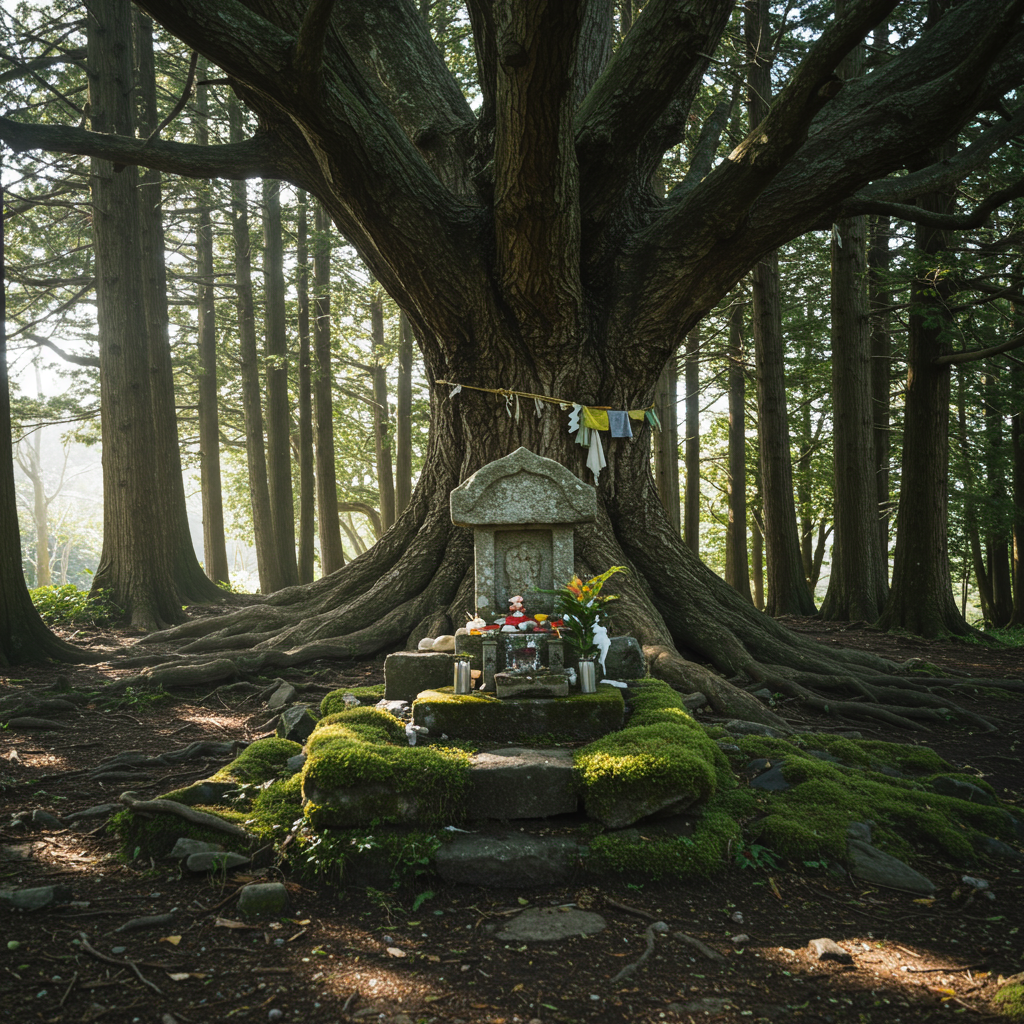
Groves, often shrouded in an ethereal atmosphere of dappled sunlight and hushed tranquility, have served as places of worship and contemplation for millennia. Consider the sacred groves of the ancient Celts, where the rustling leaves were believed to carry the whispers of the gods. These enclosed spaces, teeming with life yet distinct from the surrounding world, offer a sense of enclosure and protection, fostering introspection and a feeling of communion with the divine.
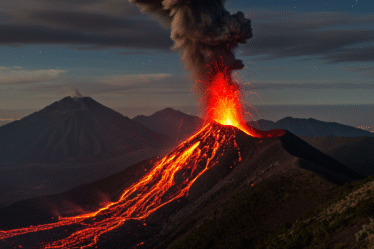
Mountains, with their imposing heights and breathtaking vistas, represent a different kind of sacred space. Their ascent often symbolizes a spiritual journey, a striving for enlightenment and a closer connection to the heavens. Think of Mount Kailash in Tibet, revered by Hindus, Buddhists, Jains, and Bönpos as the abode of powerful deities. The arduous climb, demanding both physical and mental fortitude, becomes a metaphor for overcoming life’s challenges and reaching a higher state of consciousness.
Rivers, the arteries of the earth, hold a unique spiritual power linked to the life-giving properties of water. From the Ganges in India to the Nile in Egypt, rivers have been worshipped as sources of purification, renewal, and connection to the ancestors. The constant flow of water symbolizes the cyclical nature of life, death, and rebirth, reminding us of the impermanence of all things and the interconnectedness of all beings.
The spiritual connection to nature is not merely a relic of the past. In our increasingly urbanized world, the need for these sacred spaces is perhaps more profound than ever. Reconnecting with nature, whether through a quiet walk in a forest, a hike in the mountains, or simply sitting by a flowing river, can offer solace, inspiration, and a renewed sense of purpose. These experiences allow us to tap into a deeper wellspring of wisdom, reminding us of our interconnectedness with all of creation and the profound beauty of the natural world. By acknowledging and honoring these sacred spaces, we nurture not only our own spiritual well-being but also our responsibility to protect and preserve these invaluable gifts for generations to come.