
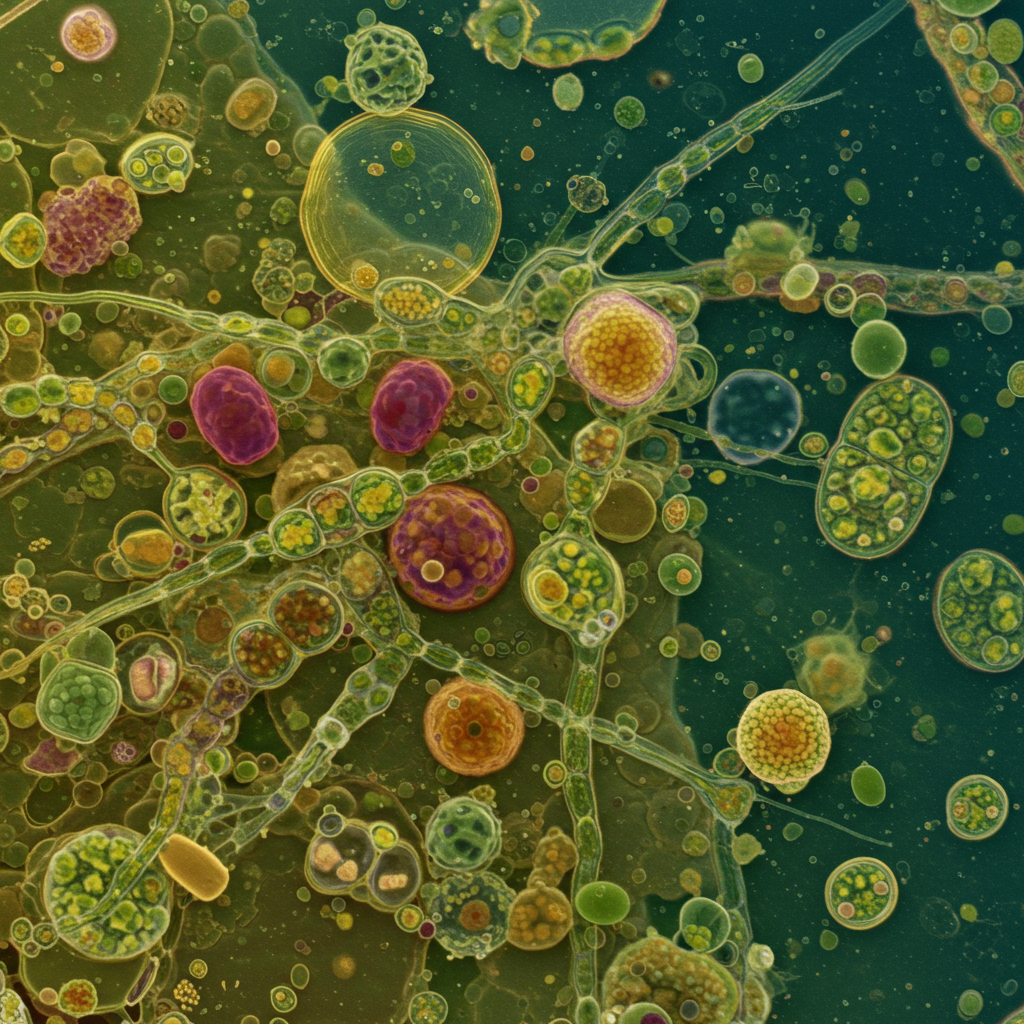
Imagine a world teeming with life, yet invisible to the naked eye. This hidden universe, composed of plankton, bacteria, and fungi, plays a crucial role in the health of our planet and our own well-being. From the vast oceans to the soil beneath our feet, these microscopic organisms drive essential processes that shape our environment.
Plankton, the drifting wanderers of the aquatic realm, form the base of the marine food web. These diverse organisms, ranging from microscopic algae called phytoplankton to tiny animals known as zooplankton, support a complex ecosystem that ultimately feeds everything from small fish to massive whales. Phytoplankton, through photosynthesis, also generate a significant portion of the oxygen we breathe, making them vital for life on Earth. Understanding their sensitivity to environmental changes, such as ocean acidification and rising temperatures, is critical for predicting the future of our oceans.
Bacteria, often perceived negatively, are in fact essential for life. These single-celled powerhouses are involved in nutrient cycling, decomposition, and even human health. In the soil, they break down organic matter, releasing nutrients that plants need to grow. Within our own bodies, beneficial bacteria aid in digestion and protect us from harmful pathogens. Exploring the complex interactions within bacterial communities is opening up new avenues for medical research and environmental remediation.
Fungi, the often-overlooked members of the microscopic world, are nature’s recyclers. Their intricate networks of thread-like hyphae decompose dead plant and animal matter, returning essential nutrients to the ecosystem. Certain fungi form symbiotic relationships with plant roots, enhancing nutrient uptake and promoting plant growth. Others are crucial for the production of antibiotics and other pharmaceuticals. Delving into the fascinating world of fungi reveals their immense importance in maintaining ecological balance.
Exploring the microscopic universe is not merely an academic pursuit. It has profound implications for addressing global challenges. By understanding the intricate roles of plankton, bacteria, and fungi, we can develop strategies for mitigating climate change, improving agricultural practices, and combating infectious diseases. The invisible world holds the key to a sustainable future, and unlocking its secrets is essential for the well-being of our planet and generations to come.


