
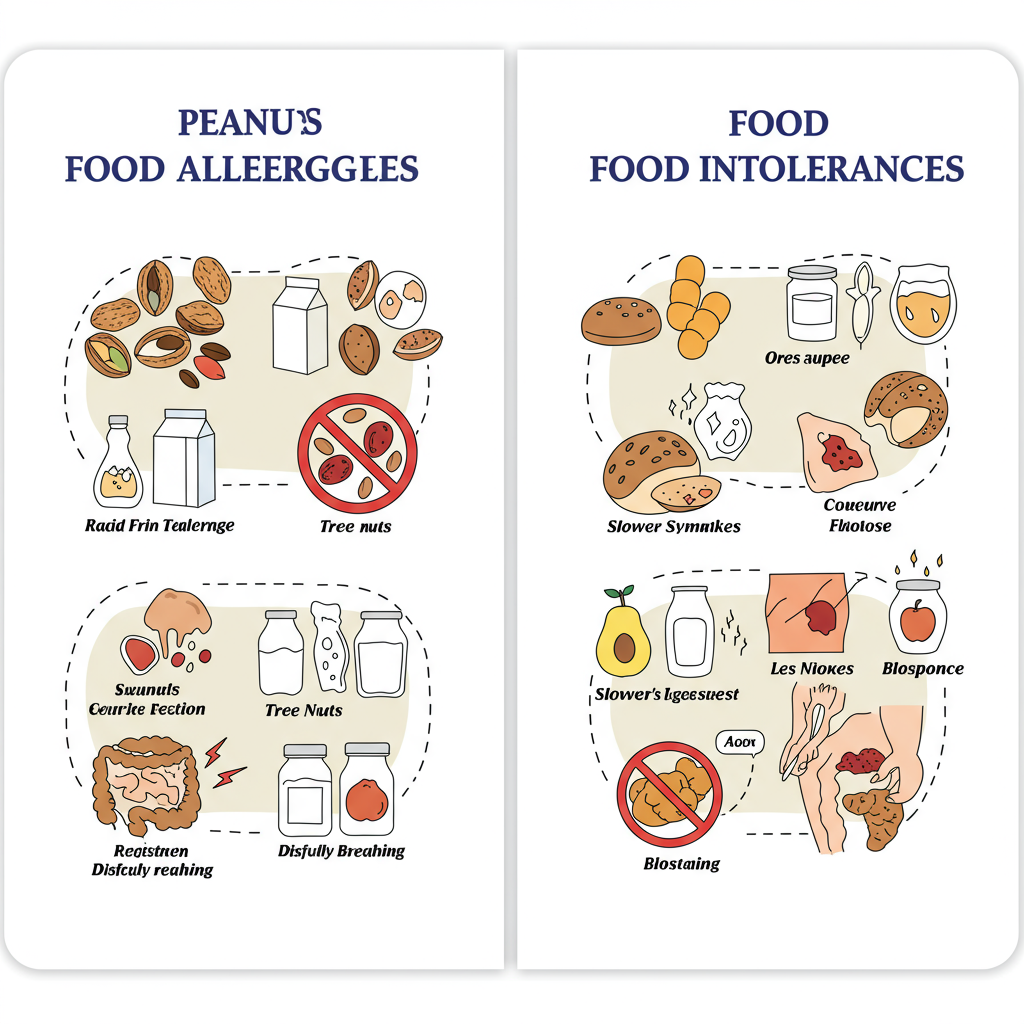
Food sensitivities can be a real puzzle, turning mealtimes into a minefield of uncertainty. From mild discomfort to severe reactions, understanding the difference between a food allergy and a food intolerance is the first step towards reclaiming your dietary freedom. This article dives deep into the science behind these sensitivities, exploring their causes, symptoms, and providing practical advice on how to navigate the complexities of a restricted diet.
A true food allergy involves the immune system mistakenly identifying a harmless food protein as a threat. This triggers a cascade of reactions, releasing histamine and other chemicals that can manifest in symptoms ranging from hives and itching to life-threatening anaphylaxis. Common culprits include peanuts, tree nuts, milk, eggs, soy, wheat, fish, and shellfish. Even trace amounts can trigger a reaction, making careful label reading and vigilant avoidance crucial.
Food intolerances, on the other hand, don’t involve the immune system. Instead, they arise from the body’s inability to properly digest certain components of food. Lactose intolerance, for example, stems from a deficiency in the enzyme lactase, which is needed to break down the sugar found in milk. Symptoms of intolerance are typically less severe than allergies and often involve digestive distress like bloating, gas, and abdominal pain. While uncomfortable, they are rarely life-threatening.
Diagnosing a food sensitivity requires a multifaceted approach. Keeping a detailed food diary, noting any symptoms experienced after eating, is a valuable starting point. Allergists can perform skin prick tests or blood tests to identify specific IgE antibodies, which are indicative of a true allergy. For intolerances, elimination diets, where suspected trigger foods are removed and then reintroduced, can help pinpoint the culprit. Working with a registered dietitian is highly recommended to ensure nutritional adequacy while navigating dietary restrictions.
Managing food sensitivities requires a proactive and informed approach. For allergies, strict avoidance is paramount. This means meticulously checking food labels, being cautious when eating out, and carrying emergency medication like epinephrine auto-injectors in case of accidental exposure. With intolerances, managing symptoms often involves limiting the intake of trigger foods or using enzyme supplements to aid digestion. Learning to read food labels and understanding ingredient substitutions are essential skills for anyone navigating food sensitivities.
Living with food sensitivities can be challenging, but it doesn’t have to be limiting. With careful planning, education, and support from healthcare professionals, it’s entirely possible to enjoy a delicious and fulfilling diet while keeping symptoms at bay. Remember, knowledge is power. The more you understand about your specific sensitivities, the better equipped you’ll be to take control of your health and enjoy a vibrant life, free from the worry of unexpected reactions.