
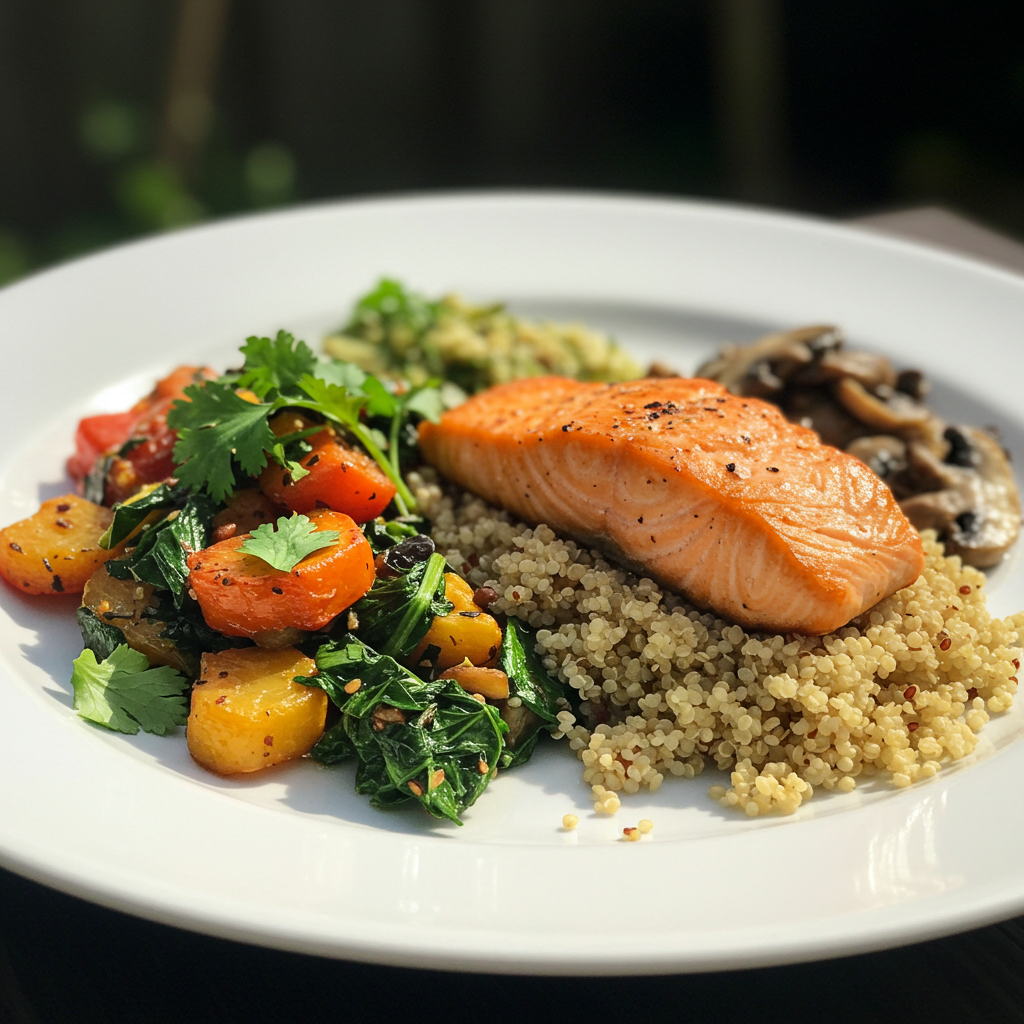
Flexitarianism, a portmanteau of “flexible” and “vegetarianism,” is rapidly gaining traction as a sustainable and health-conscious dietary approach. It emphasizes plant-based foods while allowing for the occasional inclusion of meat, poultry, or fish. This adaptable lifestyle offers a bridge for those seeking to reduce their meat consumption without the strict limitations of full vegetarianism or veganism. This comprehensive guide will explore the core principles of flexitarianism, its numerous benefits, and practical tips for successful implementation.
One of the most appealing aspects of flexitarianism is its inherent flexibility. There are no hard and fast rules, allowing individuals to tailor their approach based on personal preferences, health goals, and ethical considerations. Some flexitarians may choose to eat meat only once a week, while others might limit it to special occasions. This adaptable nature makes it a sustainable long-term dietary choice.
The health benefits associated with a predominantly plant-based diet are well-documented. Studies have shown that flexitarians often have lower risks of heart disease, type 2 diabetes, certain cancers, and obesity. This is largely attributed to the increased intake of fruits, vegetables, whole grains, and legumes, which are rich in fiber, vitamins, minerals, and antioxidants. These nutrients play crucial roles in maintaining overall health and well-being.
From an environmental perspective, flexitarianism offers a significant advantage. Animal agriculture is a major contributor to greenhouse gas emissions, deforestation, and water pollution. By reducing meat consumption, even moderately, flexitarians contribute to a smaller environmental footprint. This conscious choice aligns with growing concerns about the sustainability of our current food systems.
Transitioning to a flexitarian diet doesn’t require a complete overhaul of your eating habits. Start by gradually incorporating more plant-based meals into your weekly routine. Experiment with vegetarian recipes, explore new vegetables and grains, and find creative ways to boost the flavor and texture of your plant-based dishes. Meatless Mondays offer a great starting point for reducing meat consumption one day a week.
Building satisfying and nutritious plant-based meals requires a focus on protein sources beyond meat. Legumes, lentils, tofu, tempeh, quinoa, and nuts are excellent sources of plant-based protein. Combining these with whole grains and a variety of vegetables ensures a balanced and complete meal. Don’t be afraid to experiment with spices and herbs to enhance the flavor profiles of your dishes.
When choosing to include meat, prioritize quality over quantity. Opt for lean cuts, sustainably sourced options, and consider treating meat as a flavor enhancer rather than the centerpiece of the meal. This mindful approach allows for the occasional enjoyment of meat while minimizing its impact on health and the environment. Flexitarianism ultimately empowers individuals to make informed food choices that align with their values and contribute to a healthier, more sustainable future.