
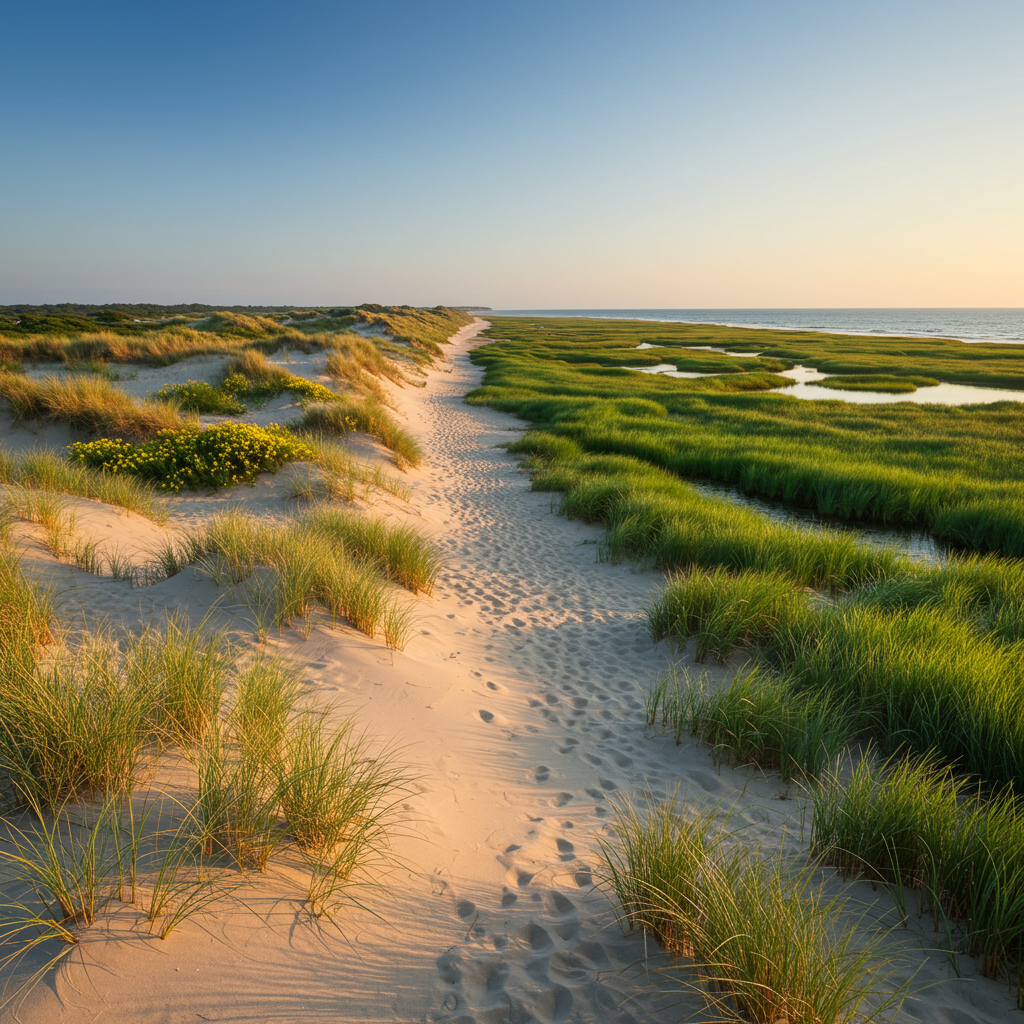
Where the restless energy of the ocean meets the steadfast embrace of the land, a unique and vibrant world unfolds. Coastlines, with their intricate tapestry of dunes, estuaries, and diverse ecosystems, represent some of the most dynamic and productive environments on Earth. These transitional zones are not merely lines on a map; they are complex, interconnected habitats teeming with life, constantly shaped by the powerful forces of wind, waves, and tides.
Imagine standing atop a towering sand dune, sculpted by the relentless push and pull of the wind. These seemingly barren landscapes play a crucial role in coastal protection, acting as natural barriers against storm surges and erosion. They also provide specialized habitats for a surprising array of plants and animals, from hardy grasses that anchor the shifting sands to elusive shorebirds that nest within their sheltered hollows. The dynamic nature of dunes, constantly reshaped by wind and waves, creates a mosaic of microhabitats, each supporting a unique community of organisms.
Further inland, where freshwater rivers converge with the salty embrace of the sea, lie estuaries. These brackish water ecosystems are among the most biologically productive environments on the planet, serving as vital nurseries for a multitude of fish, shellfish, and crustaceans. Estuaries act as a critical link between land and sea, filtering pollutants and providing essential nutrients to the surrounding waters. They are also havens for migratory birds, offering rich feeding grounds and resting places during their long journeys.
The intricate interplay between land and sea within coastal ecosystems fosters an astonishing biodiversity. From microscopic plankton forming the base of the food web to majestic marine mammals patrolling the offshore waters, these environments support a complex web of life. Understanding the delicate balance within these ecosystems is crucial for their preservation. Human activities, such as coastal development, pollution, and climate change, pose significant threats to these fragile environments. Protecting coastlines requires a concerted effort to manage these impacts and ensure the long-term health and resilience of these vital ecosystems.
Exploring the world of coastlines is a journey of discovery, revealing the remarkable adaptability and resilience of life in the face of constant change. By appreciating the intricate connections between dunes, estuaries, and the wider coastal environment, we can better understand the importance of protecting these invaluable natural treasures for generations to come.