
Imagine stepping into a world where time seems to stand still, where towering trees have witnessed millennia unfold. Ancient forests, often referred to as old-growth or primeval forests, are ecosystems that have escaped significant human disturbance for centuries, even millennia. They are living libraries of our planet’s history, whispering tales of a time long before human intervention. These ecosystems harbor a richness and complexity unlike any other, playing a critical role in global biodiversity and climate regulation.
One of the most striking features of ancient forests is their structural diversity. Unlike managed forests, which often consist of trees of similar age and species, ancient forests boast a mosaic of different ages, sizes, and species. Giant, ancient trees stand alongside young saplings, while fallen logs create nurseries for new life and provide habitat for a multitude of organisms. This intricate structure provides niches for a vast array of species, from the smallest insects to the largest mammals.
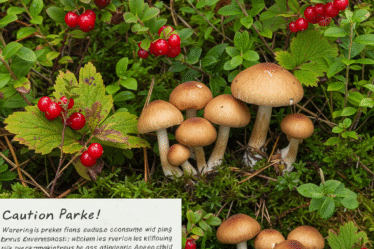
These forests are not merely collections of trees; they are intricate webs of life. The complex interactions between plants, animals, fungi, and microorganisms create a delicate balance that has evolved over centuries. Mycorrhizal networks, formed by symbiotic fungi connecting tree roots, facilitate communication and resource sharing between trees, demonstrating a level of interconnectedness that is truly awe-inspiring. I recall once encountering a patch of ancient forest in the Pacific Northwest, where the sheer density of life was palpable. The air hummed with the sounds of insects, and the forest floor was a tapestry of mosses, lichens, and fungi, all intertwined in a symphony of life.
The importance of ancient forests in mitigating climate change cannot be overstated. These forests act as massive carbon sinks, storing significantly more carbon than younger forests. Their complex structure and diverse vegetation capture and store atmospheric carbon dioxide, helping to regulate the global climate. Protecting and restoring these ecosystems is, therefore, crucial in our fight against climate change.
Sadly, ancient forests are disappearing at an alarming rate. Logging, agriculture, and urban development continue to encroach upon these invaluable ecosystems. The loss of these forests not only represents a loss of biodiversity but also weakens our planet’s ability to regulate the climate. We must recognize the irreplaceable value of these ancient ecosystems and take decisive action to protect them.
Conserving ancient forests requires a multifaceted approach. Establishing protected areas, promoting sustainable forestry practices, and raising public awareness are all essential steps. Furthermore, supporting research efforts to better understand the complex dynamics of these ecosystems can inform more effective conservation strategies. The whispers of these million-year-old forests hold invaluable lessons for us, if only we take the time to listen.
The future of our planet depends on our ability to protect the remaining ancient forests. By recognizing their ecological, cultural, and spiritual significance, we can ensure that these magnificent ecosystems continue to thrive for generations to come. Let us heed the whispers of these ancient giants and work together to safeguard their future, and in doing so, safeguard our own.