
Creating a healthy meal plan can feel like scaling Mount Everest, especially when life’s demands pull you in every direction. You envision vibrant salads and nutritious dinners, but the reality often involves last-minute takeout and skipped breakfasts. This week, let’s conquer that mountain together. This guide will equip you with the tools and strategies to build a truly sustainable weekly meal plan – one that nourishes your body, respects your time, and, most importantly, excites your taste buds.
First, forget restrictive dieting. This isn’t about deprivation; it’s about discovering the joy of wholesome food. Start by reflecting on your current eating habits. Where are the gaps? Are you consistently skipping breakfast? Do late-night cravings derail your healthy intentions? Understanding your weaknesses is the first step towards building a plan that addresses them.
Next, consider your schedule. Are your Tuesdays packed with meetings? Then plan for quick, grab-and-go meals like pre-portioned salads or overnight oats. Weekends offer more flexibility for elaborate cooking and meal prepping. Roast a batch of vegetables, cook a large pot of quinoa, or grill extra chicken breasts to use in various meals throughout the week. This strategic approach saves you time and reduces the temptation of unhealthy choices when hunger strikes.
Variety is key to avoiding meal plan monotony. Explore different cuisines, experiment with new recipes, and incorporate seasonal produce. A colorful plate is not only visually appealing but also packed with a wider range of nutrients. Don’t be afraid to embrace convenience. Frozen fruits and vegetables are just as nutritious as fresh and can be a lifesaver on busy days. Pre-cut vegetables and pre-washed salad mixes can also streamline your cooking process.
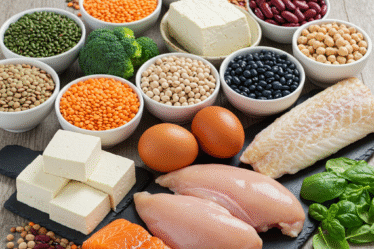
Planning your meals around a core protein source can simplify the process. Think grilled salmon, lean ground turkey, lentils, or tofu. Then, build your meals by adding complex carbohydrates like brown rice, sweet potatoes, or whole-wheat pasta, along with a generous serving of vegetables. This formula ensures balanced nutrition and keeps you feeling full and satisfied.
Finally, remember that flexibility is crucial. Life throws curveballs, and your meal plan should be adaptable. Don’t beat yourself up if you deviate from the plan occasionally. View it as a guideline, not a rigid set of rules. The goal is to create healthy, sustainable habits, not to achieve perfection. So, embrace the journey, celebrate your successes, and remember that every small step you take towards a healthier lifestyle is a victory worth savoring.