
Plant lore, the fascinating tapestry of history, mythology, and symbolism woven around our beloved houseplants, adds a layer of depth to our appreciation for these verdant companions. More than just aesthetic additions to our homes, these plants carry with them echoes of ancient traditions and beliefs, connecting us to a rich cultural heritage. This exploration into plant lore will uncover the captivating stories behind some of the most popular houseplants gracing our windowsills.
The resilient snake plant, or Sansevieria trifasciata, known for its air-purifying qualities, also boasts a rich history of protective symbolism. In many cultures, it’s believed to ward off negative energy and bring good luck. Its sharp, upright leaves are reminiscent of swords, further strengthening its association with protection and strength. Placing a snake plant near the entrance of your home is thought to create a symbolic barrier against misfortune.
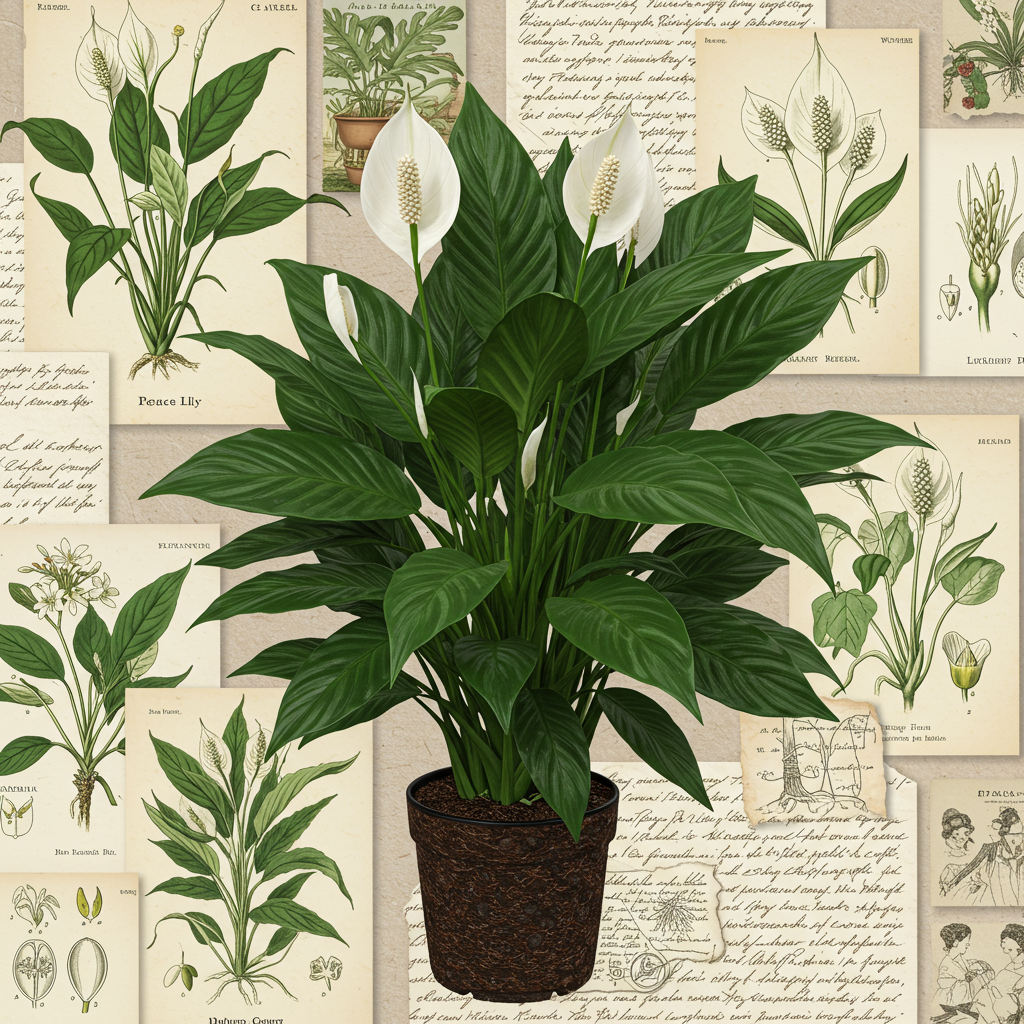
The peace lily, or Spathiphyllum, with its elegant white blooms, is often associated with tranquility and serenity. Its name itself evokes a sense of calm. In some cultures, it’s believed to symbolize hope and new beginnings, making it a thoughtful gift for those embarking on a new chapter in their lives. Beyond its symbolic significance, the peace lily also contributes to a healthier indoor environment by filtering out common air pollutants.
Consider the humble spider plant, or Chlorophytum comosum, a common sight in many homes. Its cascading “spiderettes,” or baby plants, symbolize growth, prosperity, and abundance. This easy-to-propagate plant is often passed down through generations, creating a living link between family members. Sharing a spider plant cutting becomes an act of sharing good fortune and fostering connection.
The jade plant, or Crassula ovata, with its thick, fleshy leaves resembling coins, has long been associated with wealth and prosperity in various cultures. It’s often given as a housewarming gift, symbolizing a wish for financial abundance and good fortune for the new homeowner. This succulent’s resilience and ability to thrive in diverse conditions further reinforces its connection to enduring prosperity.
Finally, the vibrant pothos, or Epipremnum aureum, known for its trailing vines, represents perseverance and resilience. Its ability to thrive in low-light conditions and easily propagate has earned it the nickname “devil’s ivy,” suggesting its hardiness and tenacity. The pothos symbolizes the enduring power of life and the ability to overcome challenges.
Exploring the lore surrounding our houseplants allows us to appreciate them not just for their aesthetic beauty, but also for the rich cultural heritage they embody. These plants, silent witnesses to centuries of human history, connect us to a world of symbolism and belief, adding a touch of magic to our everyday lives. So, the next time you water your snake plant or admire the blooms of your peace lily, remember the stories they whisper, the traditions they represent, and the connection they foster to a world beyond our windowsills.