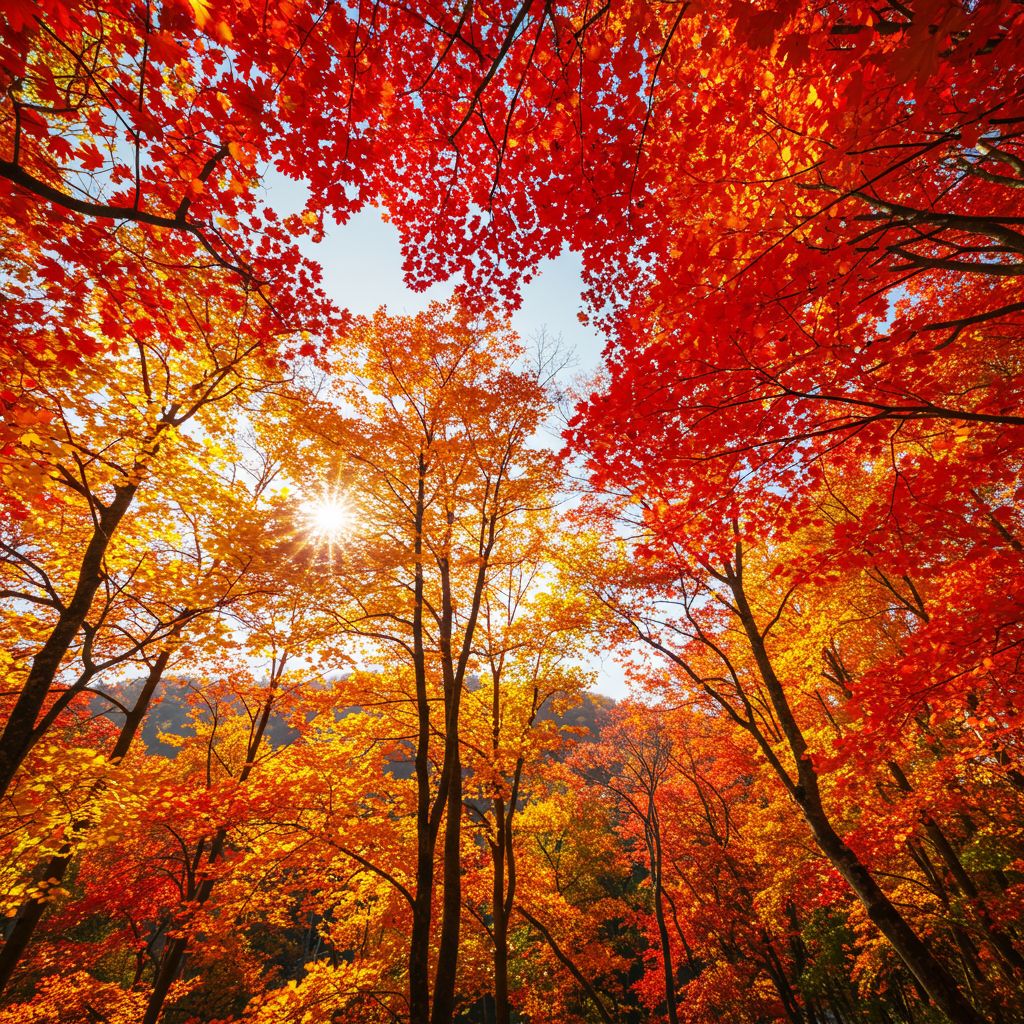
Autumn’s arrival paints the world in a breathtaking spectacle of vibrant hues, transforming verdant landscapes into fiery tapestries of reds, oranges, and yellows. This dramatic shift isn’t mere happenstance; it’s a carefully orchestrated symphony of chemical processes within the leaves, triggered by the changing seasons. As daylight hours dwindle and temperatures cool, the vibrant green chlorophyll, responsible for photosynthesis, begins to break down, revealing the hidden pigments beneath.
Carotenoids, the compounds responsible for the yellows and oranges we associate with fall, are present in the leaves throughout the growing season, masked by the dominant chlorophyll. These resilient pigments absorb blue-green and blue light, reflecting the longer wavelengths of yellow and orange. Think of carrots and pumpkins – their vibrant hues are a testament to the power of carotenoids.
The brilliant reds and purples, however, are a different story. These colors arise from anthocyanins, pigments produced in the fall within the sap of the leaves. Unlike carotenoids, anthocyanins aren’t always present. Their production is influenced by several factors, including temperature, light levels, and sugar concentration within the leaf. The cooler the nights, the brighter the red hues tend to be, as long as the temperature remains above freezing. These vibrant colors may serve as a protective mechanism for the trees, acting as a sunscreen against intense sunlight during this transitional period.
The specific mix of pigments varies among tree species, resulting in the diverse array of colors we observe. Maples, for instance, are renowned for their fiery reds and oranges, while hickories and aspens often display brilliant yellows. The intensity and duration of the fall color display can also be influenced by weather patterns. A warm, wet spring followed by a dry summer and crisp, sunny autumn days with cool nights typically produce the most spectacular displays.
Beyond the scientific explanation, there’s an undeniable emotional resonance to the changing leaves. Autumn’s palette evokes a sense of nostalgia, a reminder of the cyclical nature of life, and the beauty of impermanence. So, as you take in the breathtaking scenery this fall, remember the intricate biological processes at play, transforming the landscape into a vibrant masterpiece.
From the fiery reds of maples to the golden yellows of aspens, each leaf tells a story of adaptation and resilience. The science behind fall colors offers a deeper appreciation for the natural world and its intricate beauty. So, next time you find yourself immersed in autumn’s vibrant embrace, take a moment to appreciate the symphony of change unfolding before your eyes.