
Color psychology, the study of how colors influence human behavior and emotions, plays a crucial role in interior design. Understanding how different hues affect your mood and energy levels can empower you to create a home environment that truly supports your well-being. By strategically incorporating specific colors, you can transform your living spaces into havens of relaxation, productivity, or creativity.
One of the most impactful aspects of color psychology is its ability to evoke specific emotions. Warm colors like red, orange, and yellow are known for their stimulating effects. Red, often associated with passion and energy, can be a powerful accent color but should be used sparingly in larger areas to avoid feeling overwhelming. Orange promotes enthusiasm and creativity, making it a great choice for social spaces or home offices. Yellow, the color of sunshine, evokes feelings of happiness and optimism, brightening any room it graces. However, excessive yellow can sometimes increase anxiety, so balance is key.
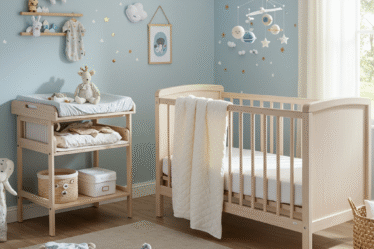
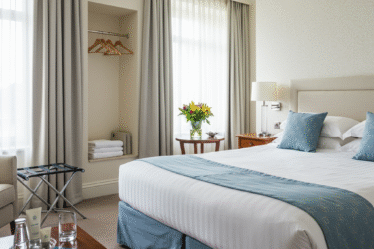
Cool colors like blue, green, and purple offer a contrasting effect, promoting calmness and tranquility. Blue, often linked to serenity and stability, is a popular choice for bedrooms and bathrooms. Green, associated with nature and growth, creates a sense of peace and harmony, making it ideal for living rooms or areas dedicated to relaxation. Purple, historically associated with royalty and luxury, can add a touch of elegance and sophistication to any space while also promoting creativity and introspection.
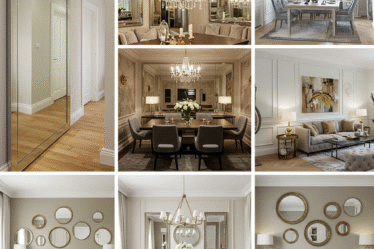
Neutral colors like white, gray, and beige provide a versatile backdrop for any design scheme. White creates a sense of spaciousness and cleanliness, while gray offers a sophisticated and contemporary feel. Beige provides warmth and comfort, creating a cozy and inviting atmosphere. These neutrals can be effectively combined with bolder accent colors to create visual interest and balance.
When applying color psychology to your home, consider the function of each room. For instance, a vibrant red might be energizing in a home gym but overwhelming in a bedroom. A calming blue can promote restful sleep in a bedroom but might feel too passive in a workspace. By thoughtfully selecting colors based on the intended use of each space, you can optimize your home environment to support your specific needs and enhance your overall well-being. Beyond simply choosing wall colors, consider incorporating color through furniture, textiles, and decorative accessories to create a cohesive and harmonious design.
By understanding the principles of color psychology and applying them thoughtfully, you can transform your home into a space that not only looks beautiful but also enhances your mood, energy, and overall quality of life. Experiment with different color combinations and observe how they make you feel. Ultimately, the best color palette for your home is the one that resonates most strongly with your personal preferences and supports your unique lifestyle.