
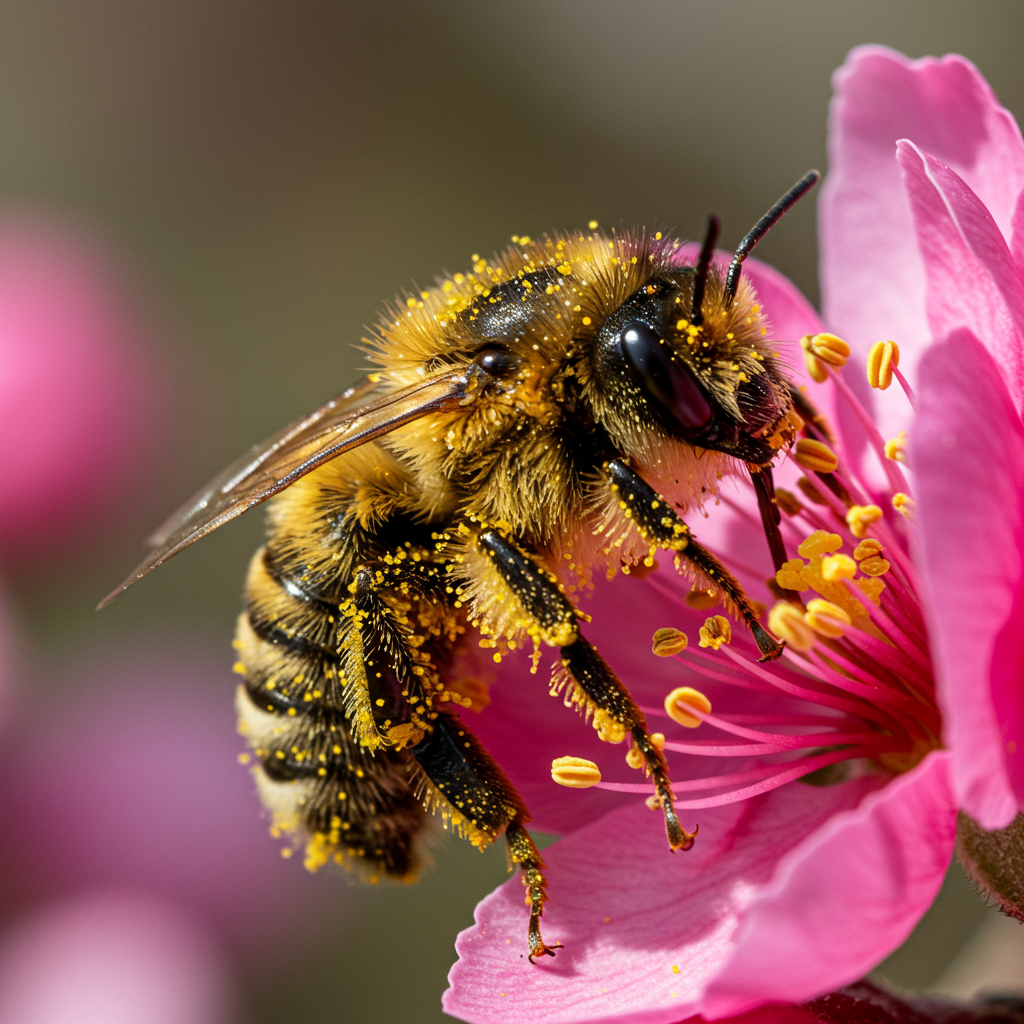
The intricate dance between flowering plants and their pollinators is a cornerstone of our ecosystem, a delicate ballet upon which much of our food supply and biodiversity depends. From the humble bee to the vibrant butterfly, these tiny creatures play an outsized role in the natural world. This article delves into the vital importance of pollinators, exploring their diverse roles and the threats they face in our rapidly changing world.
Pollination, the transfer of pollen from the male anther of a flower to the female stigma, is essential for the reproduction of a vast majority of flowering plants. These plants, in turn, provide the foundation of our food chain, supporting countless herbivores, omnivores, and ultimately, us. Imagine a world without apples, almonds, blueberries, or coffee – a stark reality if pollinators were to disappear. Beyond sustenance, pollinators also contribute to the vibrant tapestry of nature, ensuring the reproduction of wildflowers and other plants that form the backbone of diverse ecosystems.
Bees, arguably the most well-known pollinators, are incredibly efficient at their task. Their fuzzy bodies, perfectly adapted for pollen collection, allow them to carry large quantities from flower to flower. A single bee can visit thousands of flowers in a single day, making them indispensable for agriculture and wild plant reproduction alike. However, bees are not the only players in this crucial ecological process. Butterflies, with their delicate wings and long proboscis, are particularly adept at pollinating tubular flowers. Moths, often overlooked, contribute significantly to nighttime pollination, while birds, bats, and even some beetles also play their part.
Unfortunately, pollinator populations are facing unprecedented challenges. Habitat loss due to urbanization and intensive agriculture has drastically reduced the availability of foraging resources. Pesticide use, while intended for crop protection, can have devastating effects on non-target insects like bees and butterflies. Climate change further exacerbates these threats, disrupting the delicate timing of plant flowering and pollinator emergence. The consequences of pollinator decline are far-reaching, impacting not only our food security but also the health and resilience of our ecosystems.
Protecting pollinators requires a multifaceted approach. Creating and preserving pollinator-friendly habitats, rich in diverse flowering plants, is crucial. Reducing pesticide use and promoting sustainable agricultural practices can help mitigate the harmful impacts on these vital insects. Supporting research and monitoring programs allows us to better understand the complex factors affecting pollinator populations and develop effective conservation strategies. Even small actions, like planting pollinator gardens in our backyards and supporting local beekeepers, can contribute to the preservation of these essential creatures.
The future of our food systems and the health of our planet are inextricably linked to the fate of pollinators. By understanding their importance and taking action to protect them, we can ensure the continuation of the vital services they provide and safeguard the biodiversity that enriches our world.