Is your leafy friend looking a little…droopy? Don’t despair! Just like us, plants communicate their distress, but they do it through subtle shifts in their appearance. Understanding these silent cries for help is key to nurturing thriving indoor greenery. This article will delve into the common signs of an unhappy houseplant, offering practical solutions to revive your botanical companions and bring them back to their vibrant best.
One of the first indicators of trouble is wilting. While some drooping can be normal after a hot day, persistent wilting often signals a deeper issue. Consider the watering schedule. Are you overwatering, drowning the roots and preventing them from absorbing oxygen? Or is the soil bone dry, leaving your plant parched? Check the soil moisture with your finger – it should be slightly damp, not soggy or completely dry. Adjust your watering accordingly, remembering that different plants have different needs.
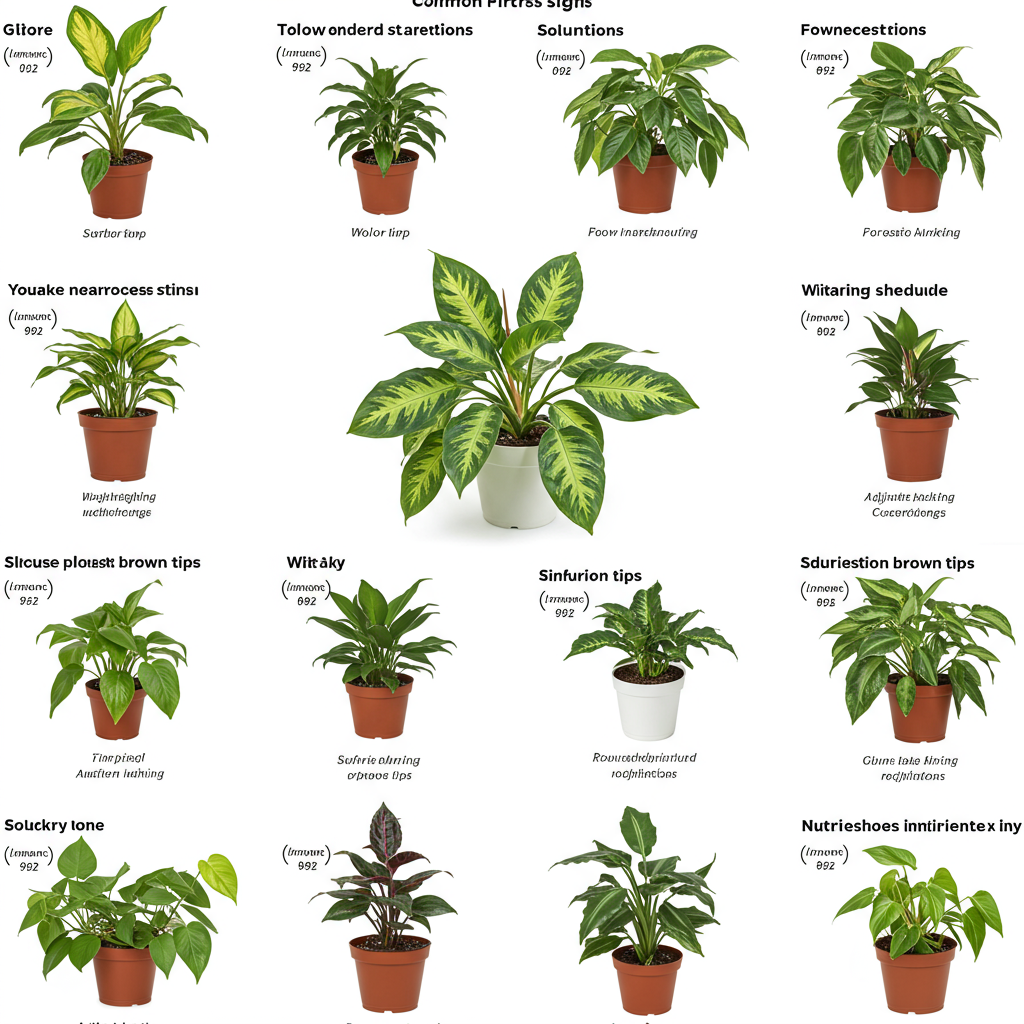
Beyond watering woes, leaf discoloration can also reveal a plant’s unhappiness. Yellowing leaves, especially older ones near the bottom, might indicate nitrogen deficiency. Brown, crispy leaf tips often point to low humidity or inconsistent watering. If you notice unusual spots or patterns, consider pests or diseases. A close inspection, perhaps with a magnifying glass, can reveal tiny invaders or telltale signs of fungal or bacterial infections. Addressing these issues promptly is crucial to prevent further damage.
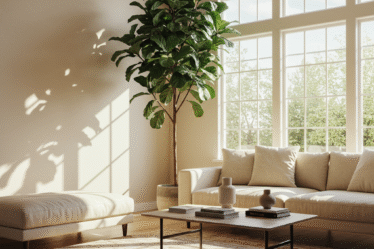
Another often overlooked factor is light. Insufficient light can lead to leggy growth, where the plant stretches towards the nearest light source, resulting in weak, spindly stems. Conversely, too much direct sunlight can scorch the leaves, leaving them with brown, burnt patches. Observe your plant’s location and light exposure throughout the day. Relocate it to a spot that provides the right balance of light for its specific needs. A sheer curtain can diffuse harsh sunlight, while a grow light can supplement insufficient natural light.
Finally, don’t forget the importance of proper potting mix and drainage. Compacted soil can suffocate roots, hindering their ability to absorb water and nutrients. Ensure your pot has drainage holes to prevent waterlogging. Repotting your plant with fresh, well-draining soil every year or two can significantly improve its health and vigor. Choosing the right pot size is also crucial. A pot that’s too large can retain excess moisture, while one that’s too small can restrict root growth.
Caring for houseplants is a rewarding experience. By learning to recognize the subtle signals they send, you can address their needs effectively and enjoy the vibrant beauty they bring to your home. Remember, a little observation and timely intervention can go a long way in ensuring your green companions thrive.