The natural world is brimming with extraordinary feats of engineering, not crafted by human hands, but by the remarkable instincts of animals. From intricate nests woven with meticulous precision to massive dams that reshape landscapes, these structures showcase the ingenuity and adaptability of the animal kingdom. Consider the beaver, a true master of hydraulics. Their dams, constructed from felled trees, mud, and stones, create vital wetland habitats and demonstrate a profound understanding of water flow and structural integrity. I’ve personally witnessed the transformative power of these dams, observing how they can turn a small stream into a thriving ecosystem teeming with life.
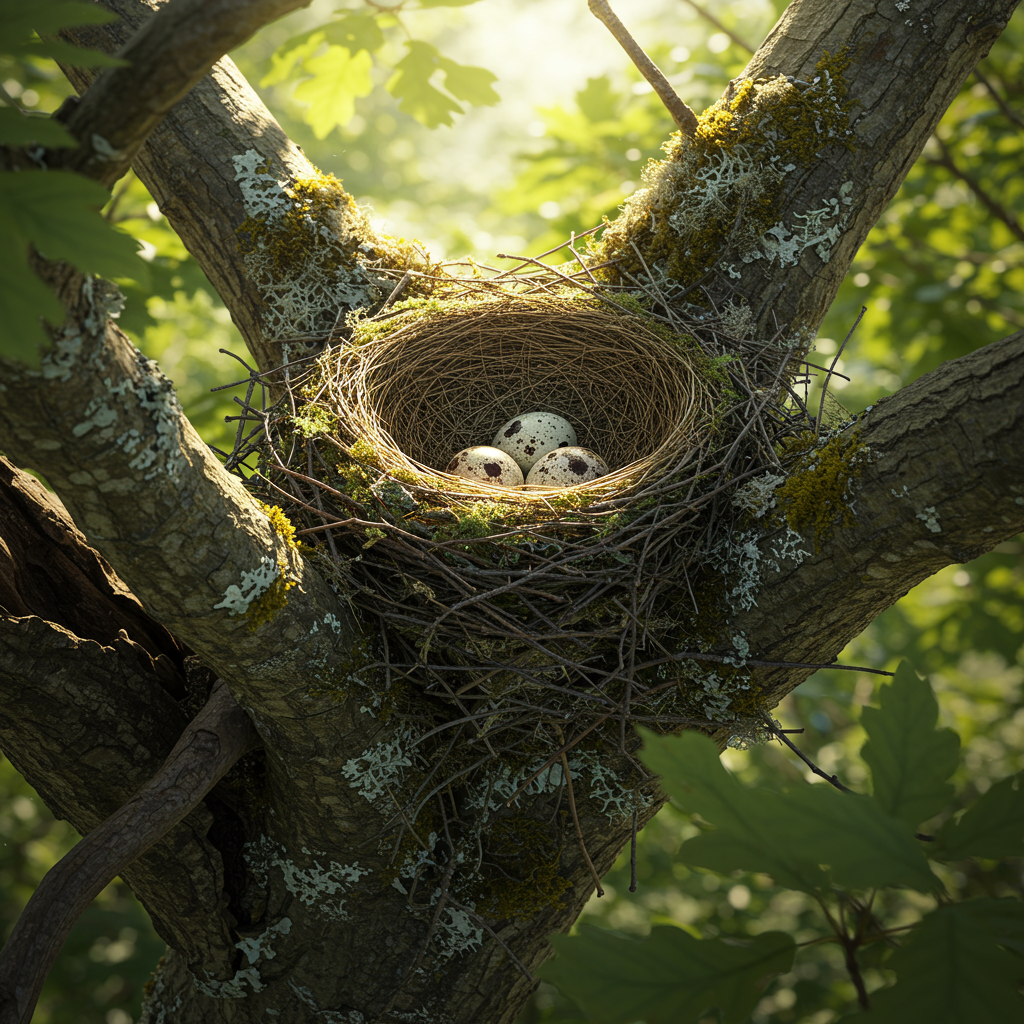
Bird nests, while varying dramatically in design, are equally impressive. The weaver bird, for instance, intricately weaves its nest from grasses and other plant fibers, creating a hanging structure that is both aesthetically beautiful and functionally sound. Contrast this with the malleable mud nests of the cliff swallow, perfectly molded to the contours of vertical surfaces. These diverse architectural marvels demonstrate the remarkable adaptability of birds to their specific environments and the intricate interplay between instinct and learned behavior.
Moving beyond birds and beavers, consider the remarkable structures built by insects. Termite mounds, often reaching towering heights, are marvels of climate control, incorporating ventilation shafts and intricate passageways that regulate temperature and humidity. These complex structures, built by tiny creatures working collectively, highlight the power of cooperation and the sophisticated societal structures of the insect world. Similarly, the intricate webs spun by spiders, while seemingly delicate, are incredibly strong and designed to efficiently trap prey. The geometric precision of these webs showcases the remarkable instinctive programming that governs spider behavior.
From the smallest insect to the largest mammal, the animal kingdom abounds with examples of impressive architectural achievements. These structures are not merely shelters; they are testaments to the power of evolution, the ingenuity of nature, and the remarkable diversity of life on Earth. Studying these natural engineers provides valuable insights into the principles of design, construction, and sustainability, offering inspiration for human innovation and a deeper appreciation for the interconnectedness of all living things. These structures remind us that we are part of a larger, intricate web of life, and that we can learn valuable lessons from the remarkable creatures that share our planet.