Creating a carnivorous plant corner is a fascinating way to bring a touch of the exotic into your home. These intriguing botanical wonders, with their specialized mechanisms for trapping and digesting insects, offer a unique glimpse into the diverse strategies of the natural world. This article will delve into the captivating world of carnivorous plants, focusing on two popular varieties: the Venus flytrap and the pitcher plant, providing you with the knowledge you need to cultivate a thriving carnivorous plant corner.
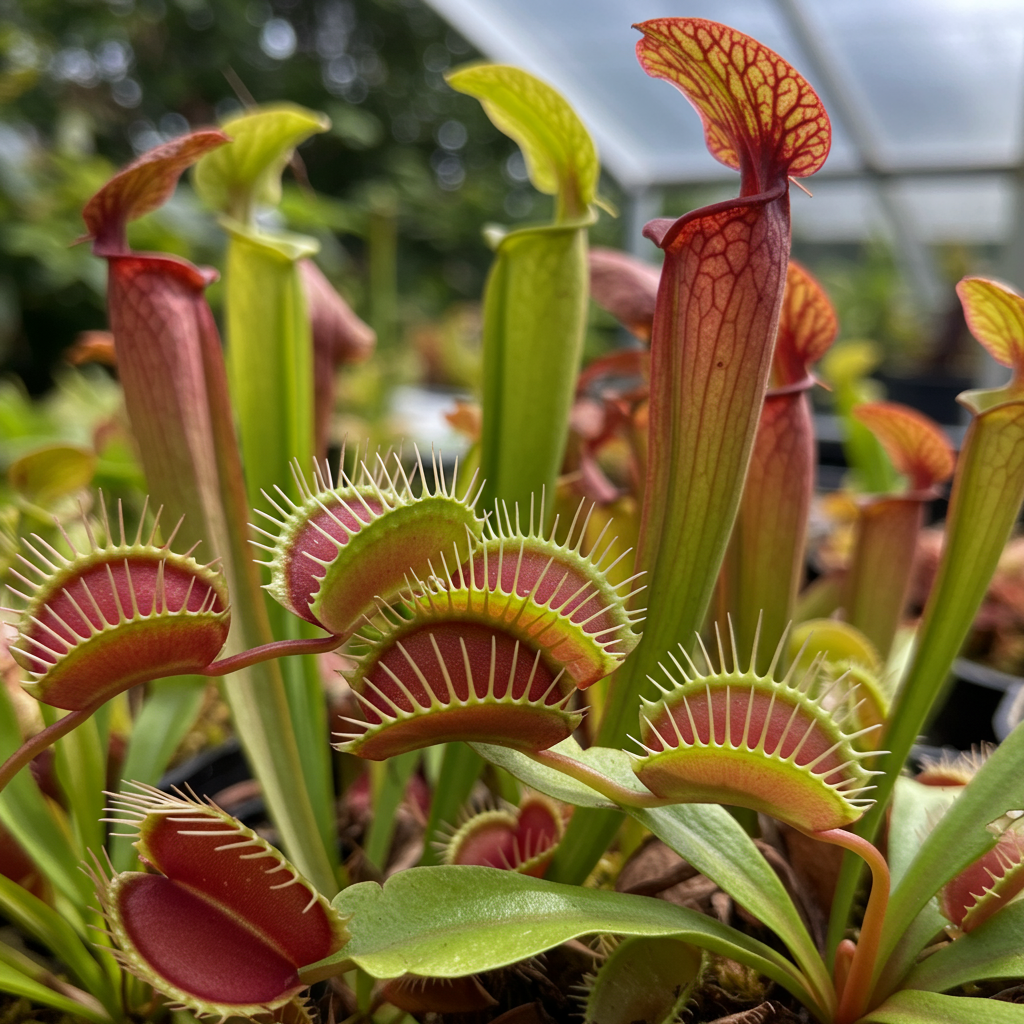
The Venus flytrap, with its iconic snapping jaws, is perhaps the most recognizable carnivorous plant. Native to the bogs of North and South Carolina, these plants have evolved a remarkable adaptation for supplementing their nutrient intake in nitrogen-poor environments. Their hinged leaves, lined with sensitive trigger hairs, snap shut with astonishing speed when an unsuspecting insect brushes against them. This rapid closure traps the prey, initiating the digestive process. Understanding this natural habitat is crucial for successful cultivation. They thrive in bright, indirect sunlight and require consistently moist, acidic soil. Regular watering with distilled or rainwater is essential, as tap water often contains minerals that can harm these sensitive plants.
Pitcher plants, on the other hand, employ a different strategy. Their modified leaves form deep, pitcher-like structures filled with digestive fluids. Attracted by the plant’s sweet nectar and vibrant colors, insects venture too close and slip into the pitcher, where they are unable to escape. The variety within pitcher plants is truly remarkable, ranging from the compact North American species to the large, ornate varieties found in Southeast Asia. Their care requirements are similar to Venus flytraps, with an emphasis on bright light and consistently moist, acidic soil. However, it’s important to note that different pitcher plant species have varying tolerances for temperature and humidity, so research your specific variety for optimal results.
Creating the ideal environment for your carnivorous plants involves careful consideration of several factors. Choose a location with ample sunlight, preferably a south-facing window or a spot under grow lights. Maintain high humidity levels by placing the plants on a tray filled with water and pebbles, or by using a humidifier. Use a specialized carnivorous plant potting mix, which typically consists of sphagnum moss and perlite, to provide the necessary drainage and acidity. Avoid fertilizing carnivorous plants, as they derive their nutrients from their captured prey. Instead, offer them a few small insects every few weeks, ensuring the insects are small enough for the plants to digest effectively. With proper care and attention, your carnivorous plant corner will flourish, offering a captivating display of nature’s ingenuity.
From the dramatic snap of a Venus flytrap to the alluring depths of a pitcher plant, these fascinating organisms offer a unique and rewarding experience for any plant enthusiast. By understanding their specific needs and creating a suitable environment, you can cultivate a thriving carnivorous plant corner that will captivate and inspire for years to come. Remember, the key to success lies in mimicking their natural habitat and respecting their unique dietary requirements.