
Butterflies, with their vibrant wings and delicate dance through the air, captivate our imaginations. But their beauty is only part of their fascinating story. From tiny egg to winged wonder, the butterfly lifecycle is a truly remarkable transformation, a testament to the power of nature’s intricate design. This journey, filled with metamorphosis and adaptation, deserves a closer look.
The butterfly’s life begins as a tiny, often intricately patterned egg, carefully deposited on a specific host plant. This plant will serve as the larva’s, or caterpillar’s, primary food source. The egg stage can last anywhere from a few days to several weeks, depending on the species and environmental conditions. Imagine the potential energy contained within that tiny shell!
Once hatched, the caterpillar embarks on a period of intense feeding and growth. Its sole purpose is to consume enough energy to fuel the dramatic changes ahead. As it grows, the caterpillar sheds its skin multiple times, a process called molting. Each molt reveals a larger, more developed larva, preparing for its next stage.
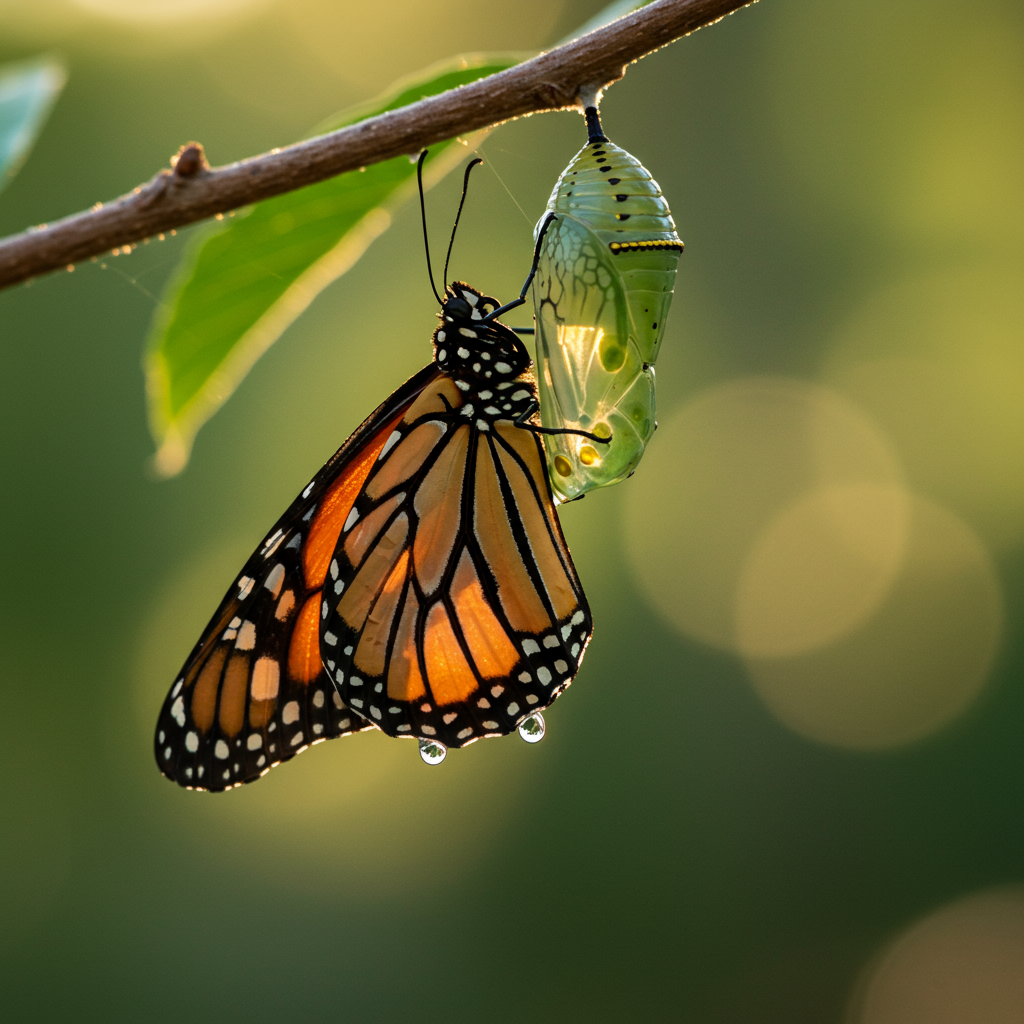
The pupa, or chrysalis, stage is perhaps the most dramatic. The caterpillar attaches itself to a branch or leaf and forms a protective casing around itself. Inside this seemingly dormant shell, a miraculous transformation occurs. The caterpillar’s body breaks down and reorganizes into the complex structures of the adult butterfly. This process, known as metamorphosis, can take weeks or even months, depending on the species.
Finally, the moment arrives. The chrysalis splits open, and a damp, crumpled butterfly emerges. Its wings, initially folded and soft, slowly expand as fluid is pumped through the veins. Once the wings are dry and rigid, the butterfly takes its first flight, embarking on its adult life. This final stage is dedicated to reproduction, ensuring the continuation of the species.
Butterflies play crucial roles in the ecosystem, acting as pollinators and indicators of environmental health. Their presence enriches our world with beauty and wonder, reminding us of the interconnectedness of life. Understanding their lifecycle not only deepens our appreciation for these delicate creatures but also highlights the importance of conservation efforts to protect their fragile habitats.
Beyond their beauty, butterflies offer a powerful symbol of transformation and resilience. Their journey from humble beginnings to winged marvels inspires us to embrace change and strive for our own potential. So, the next time you see a butterfly fluttering by, remember the incredible journey it has undertaken, a testament to the enduring power of nature’s magic.