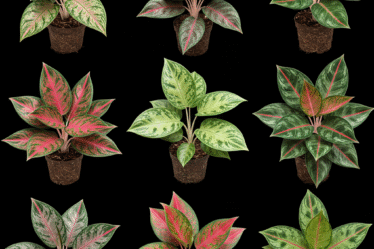

Have you ever noticed how a single, vibrant flower can brighten an entire room? Imagine the impact of an entire ensemble of verdant life, thriving in harmonious proximity. Grouping your houseplants isn’t just aesthetically pleasing; it’s a surprisingly effective way to boost their overall health and create a miniature ecosystem within your home. This practice, often referred to as ‘plant community’ or ‘plant grouping,’ mimics the natural world, where plants rarely exist in isolation.
One of the most significant advantages of grouping plants is the increased humidity they create collectively. As plants transpire, they release moisture into the air. When several plants are grouped together, this effect is amplified, creating a microclimate that benefits humidity-loving species like ferns, orchids, and calatheas. This is particularly beneficial in dry indoor environments, especially during winter months when heating systems can further deplete the air’s moisture content. I’ve personally witnessed dramatic improvements in the vibrancy of my own calathea collection after strategically grouping them with other moisture-loving companions.
Beyond humidity, grouped plants also benefit from improved pest and disease resistance. The close proximity of diverse plant species creates a more complex ecosystem that can deter common houseplant pests. For example, placing a fragrant herb like rosemary near more susceptible plants can help repel certain insects. Furthermore, the increased airflow around grouped plants can help prevent fungal diseases that thrive in stagnant air. This natural defense mechanism can significantly reduce the need for chemical interventions, contributing to a healthier home environment.
The benefits extend beyond practical considerations. Creating a vibrant grouping of plants can transform a dull corner into a lush, inviting space. Experiment with different heights, textures, and colors to create a visually appealing display. Consider using a mix of trailing plants, upright growers, and compact varieties to add depth and dimension. A thoughtfully arranged plant grouping can become a focal point in your home, bringing a touch of nature indoors and promoting a sense of tranquility and well-being. It’s a simple yet powerful way to connect with the natural world, even within the confines of our urban lives.
Grouping plants is more than just a trend; it’s a practice grounded in the principles of nature. By understanding the symbiotic relationships between plants, we can create thriving indoor gardens that benefit both our plants and our well-being. So, gather your leafy companions, experiment with different arrangements, and unlock the surprising benefits of plant grouping. You might be amazed by the flourishing results.