Defend the Dark: The encroaching glow of artificial light at night, often referred to as light pollution, is more than just an aesthetic nuisance. It represents a significant and growing threat to wildlife, our ability to connect with the cosmos, and even our own health. While the conveniences of electric lighting are undeniable, we must understand the profound impact of excessive and poorly designed illumination and take action to defend the darkness.
For countless nocturnal species, darkness is essential for survival. Artificial light disrupts natural rhythms, impacting foraging, mating, and migration patterns. Consider the devastating effects on sea turtle hatchlings, drawn away from the ocean by beachfront lights, or migrating birds, confused and disoriented by the urban glow. Protecting dark skies is crucial for maintaining biodiversity and the delicate balance of our ecosystems.
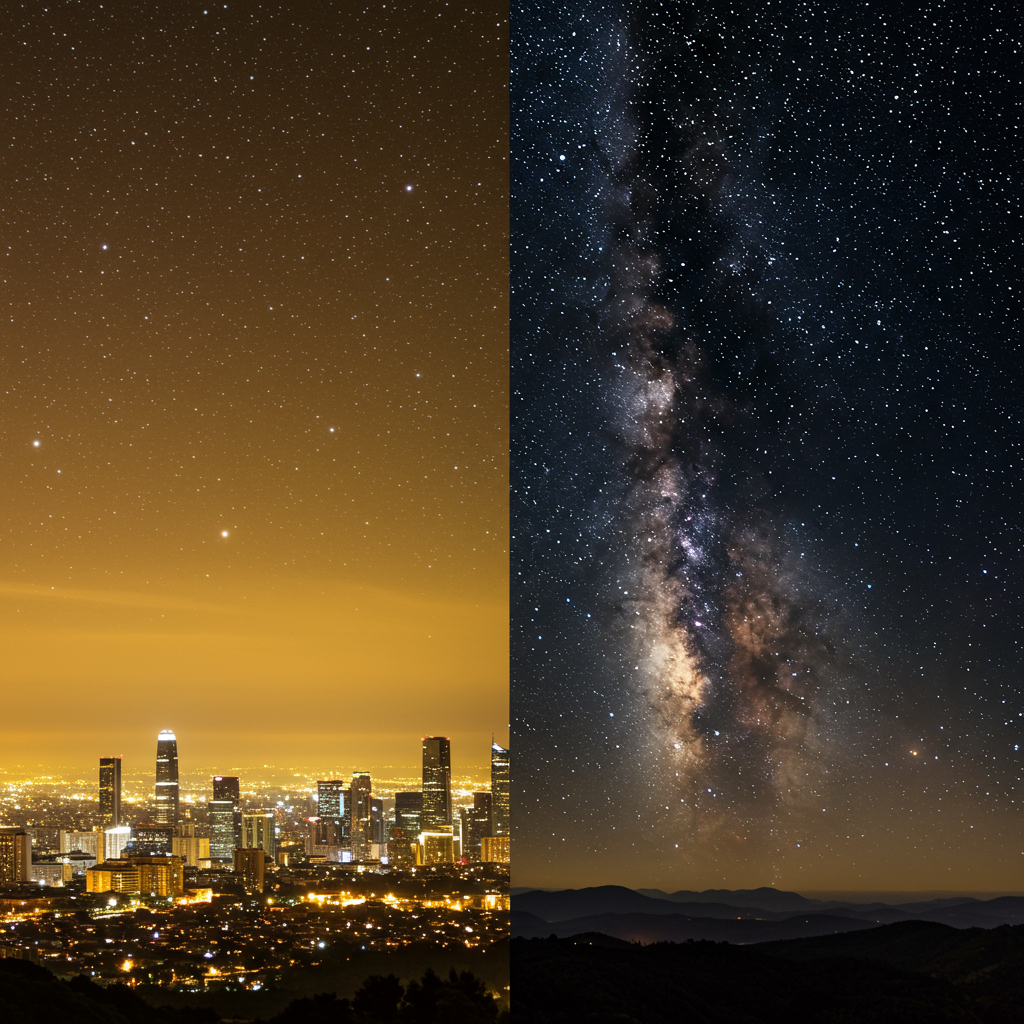
Beyond the ecological implications, light pollution robs us of a fundamental human experience: the awe-inspiring beauty of a star-filled night. The Milky Way, once a common sight, is now invisible to a significant portion of the global population. This loss diminishes our connection to the universe and stifles scientific discovery. Amateur astronomers and professional researchers alike struggle against the ever-brightening sky, hindering our understanding of the cosmos.
The impact of light pollution extends even to human health. Exposure to artificial light at night suppresses melatonin production, a hormone crucial for regulating sleep cycles. This disruption can lead to sleep disorders, fatigue, and has been linked to an increased risk of certain cancers, obesity, and depression. By simply reducing unnecessary outdoor lighting and choosing appropriate lighting fixtures, we can significantly mitigate these risks.
What can we do to defend the dark? The solutions are multifaceted and involve individual actions, community initiatives, and policy changes. Replacing unshielded lights with downward-facing fixtures, using lower-intensity bulbs, and implementing timers and motion sensors are all effective steps. Supporting dark sky initiatives in your community and advocating for responsible lighting policies can make a significant difference. Educating ourselves and others about the importance of dark skies is paramount.
The preservation of dark skies is not about returning to a pre-industrial era; it’s about finding a balance between the benefits of artificial light and the need to protect our environment, our health, and our connection to the cosmos. By embracing responsible lighting practices and advocating for dark sky preservation, we can ensure a brighter future for generations to come. Let’s defend the dark, not just for the sake of the night sky, but for the health and well-being of all life on Earth.