Open-plan living has become a staple in modern homes, offering a sense of spaciousness and flow. However, these expansive layouts can sometimes feel a little too open. Defining distinct zones within a larger area becomes crucial for functionality and aesthetic appeal. This is where the magic of room dividers comes into play. Forget expensive renovations – cleverly designed DIY room dividers offer a cost-effective and customizable solution to conquer your space and create a more organized, personalized home. This article delves into the world of DIY room dividers, exploring various materials, designs, and practical tips to help you transform your open layout.
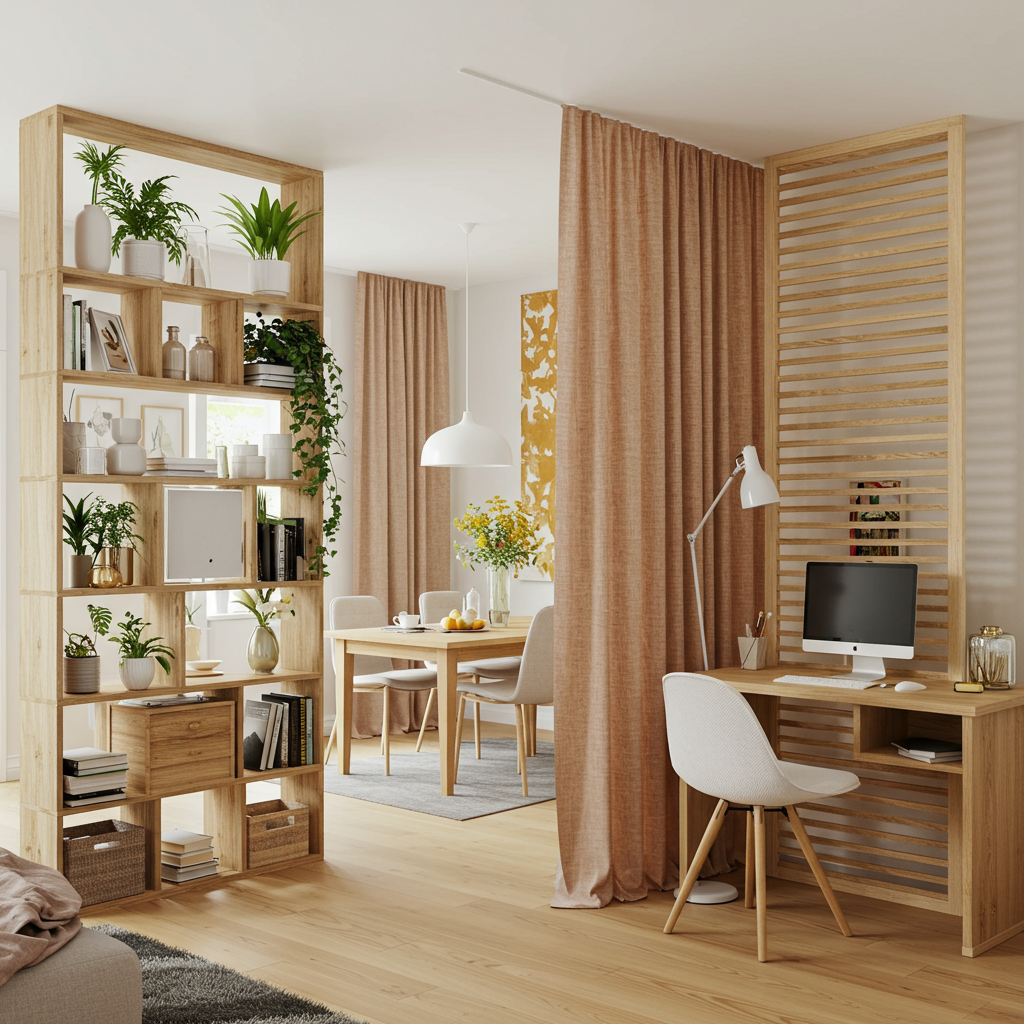
From repurposed bookshelves to hanging textiles, the possibilities are truly endless. Consider, for instance, using vintage shutters hinged together for a rustic chic vibe. I once transformed old doors into a stunning room divider by painting them in vibrant colors and adding frosted glass panels – the result was a functional piece of art. If you’re on a tighter budget, simple curtains hung from a ceiling track can instantly delineate spaces and add a touch of softness.
For a more contemporary feel, explore geometric designs using laser-cut wood or metal screens. These can be purchased pre-made or, for the truly adventurous DIY enthusiast, designed and fabricated at home. Remember to factor in the overall aesthetic of your space when choosing materials and colors. A minimalist apartment might benefit from sleek, translucent dividers, while a bohemian-inspired home might embrace macrame or woven tapestries.
Beyond aesthetics, functionality is key. Think about the purpose of the divider. Do you need sound dampening? Privacy? If so, denser materials like solid wood or fabric-covered panels will be more effective than sheer curtains or open shelving. Mobility is another factor to consider. Folding screens or rolling dividers offer flexibility, allowing you to easily reconfigure your space as needed.
Creating your own DIY room divider isn’t just about dividing a room; it’s about expressing your personal style and optimizing your living space. By carefully considering your needs and exploring the diverse range of materials and designs available, you can transform your open layout into a dynamic and well-defined home that truly reflects your unique personality.