Dry air is a houseplant’s nemesis, especially during winter months when heating systems blast away precious moisture. While some plants tolerate drier conditions, many tropical varieties crave the humidity of their native habitats. If your indoor jungle is looking a little droopy, don’t despair! Implementing a few simple strategies can significantly boost humidity levels and revitalize your leafy companions.
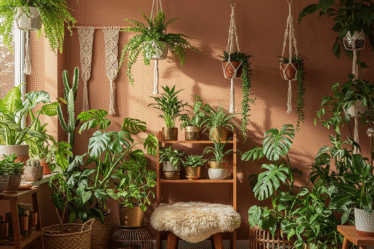
One effective method is grouping your plants together. Think of it as creating a microclimate: as plants transpire, they release moisture into the air, benefiting their neighbors. This collective humidity boost can make a noticeable difference, particularly for moisture-loving species like ferns and calatheas. Place a tray of water beneath the grouped plants to further amplify the effect, as the water evaporates and adds to the ambient humidity.
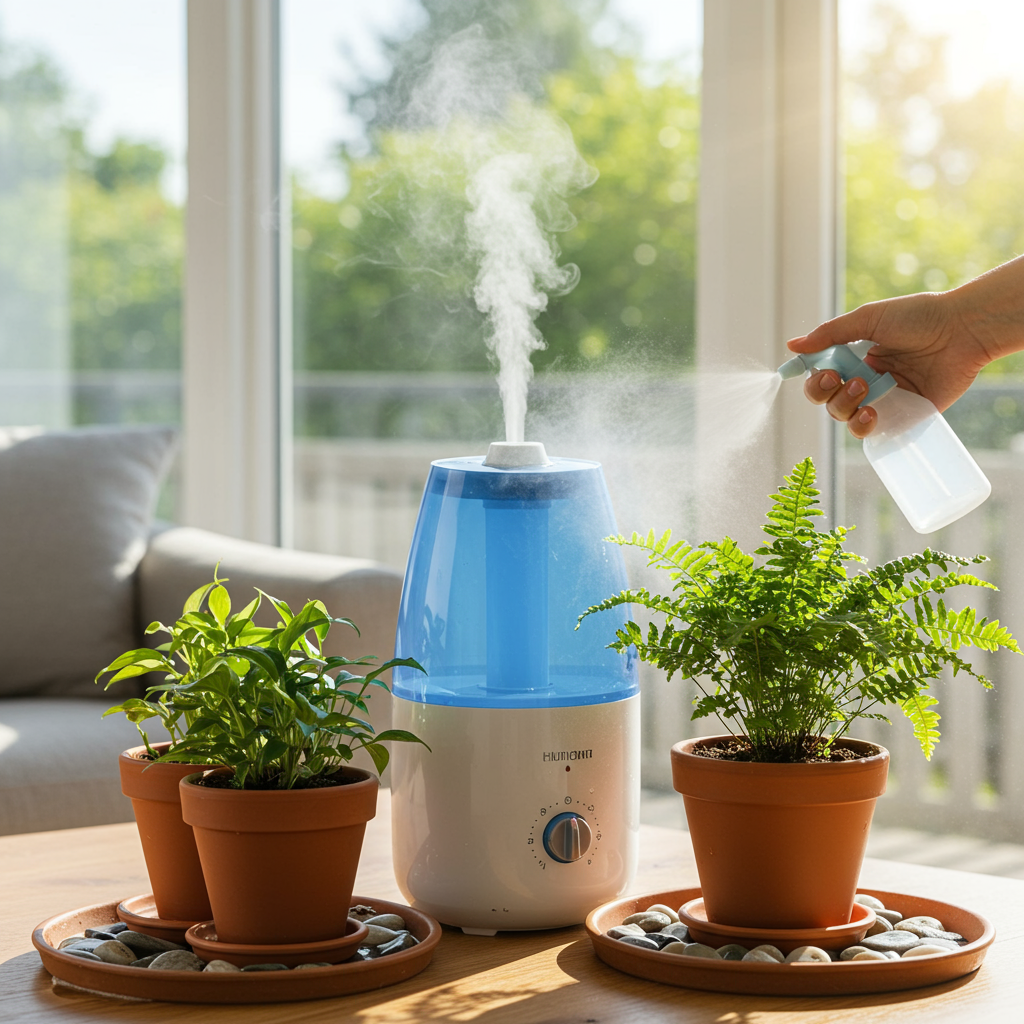
Another straightforward approach involves utilizing pebble trays. Fill a shallow tray with pebbles or small stones, then add water until it reaches just below the tops of the pebbles. Place your plant pots on top of the pebbles, ensuring the bottom of the pots doesn’t sit directly in the water. This prevents root rot while allowing the water to evaporate and humidify the air around the plant. For an extra boost, consider placing the pebble tray near a heat source, accelerating the evaporation process. However, avoid placing it directly on top of a radiator, as excessive heat can damage the plant.
Regular misting can also provide a temporary humidity spike, but its effectiveness is debated. While it does offer a quick burst of moisture, the effect is short-lived and might not significantly impact overall humidity levels. Moreover, some plants are susceptible to fungal diseases if their leaves remain wet for extended periods. If you choose to mist, use lukewarm water and do so in the morning to allow the leaves to dry before nightfall.
For a more consistent humidity solution, invest in a humidifier. These devices release water vapor into the air, raising humidity levels throughout the room. There are various types of humidifiers available, from cool-mist to warm-mist, so choose one that suits your needs and budget. Place the humidifier near your plants, but not so close that it directly wets the leaves. Monitor the humidity levels regularly to ensure they remain within a healthy range for your specific plants.
Finally, remember that proper watering techniques are crucial for maintaining plant health in dry environments. Avoid overwatering, as this can lead to root rot, a common problem in humid conditions. Instead, allow the top inch or two of soil to dry out between waterings. By combining these simple humidity-boosting strategies with mindful watering practices, you can create a thriving indoor oasis for your houseplants, even in the driest of homes.