The quest to understand life’s origins inevitably leads us to explore the incredible resilience and longevity of Earth’s oldest living organisms. These ancient survivors offer a captivating glimpse into the deep past, revealing secrets about our planet’s history and the remarkable adaptability of life itself. From resilient bacteria thriving in extreme environments to ancient trees that have witnessed millennia of change, the spectrum of ancient life is truly astonishing.
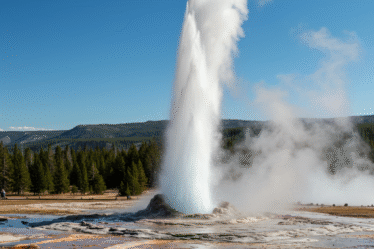
Consider the extremophiles, microscopic organisms that flourish in conditions most life finds unbearable. Hydrothermal vents, with their scalding temperatures and toxic chemicals, host thriving communities of bacteria that obtain energy through chemosynthesis, a process independent of sunlight. These organisms, some potentially dating back billions of years, provide clues to the earliest forms of life on Earth, perhaps even suggesting how life could arise on other planets.
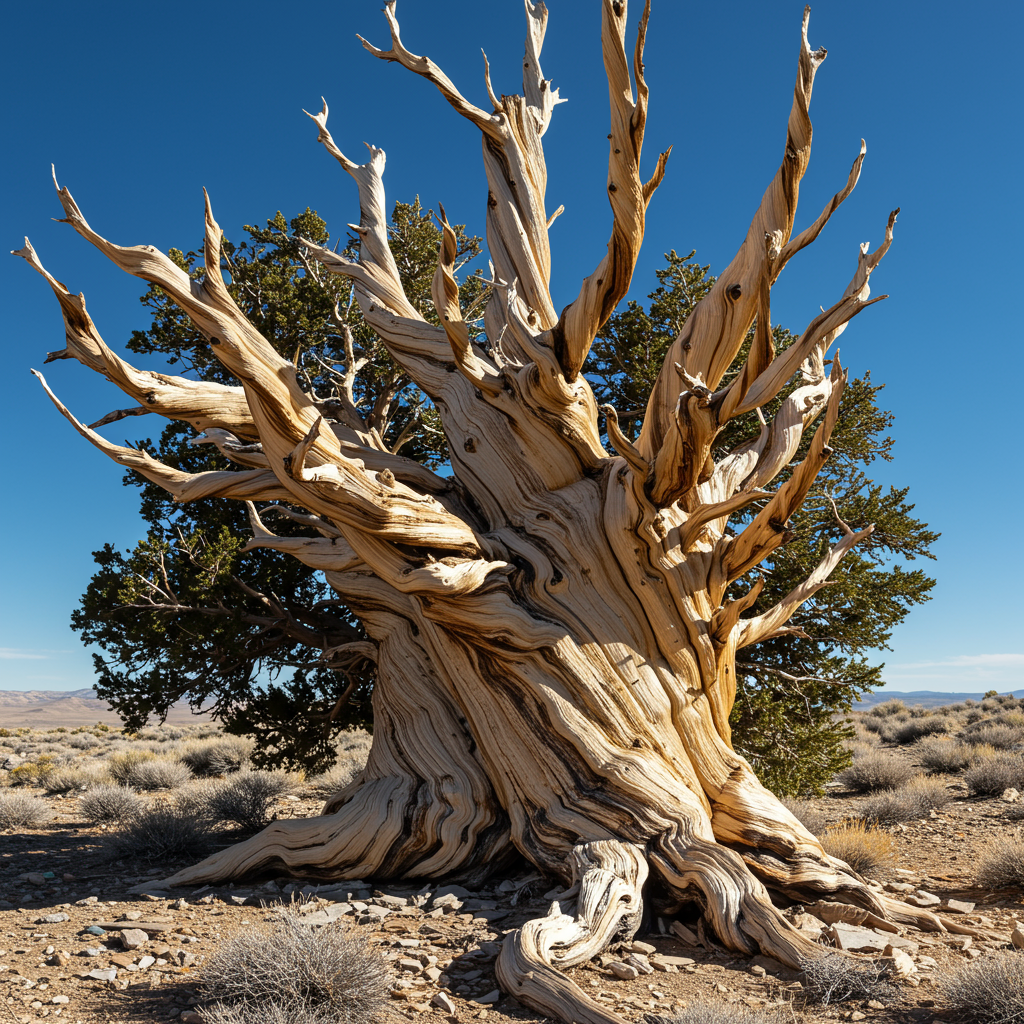
Moving beyond the microscopic, we encounter the bristlecone pines of the White Mountains in California. These gnarled, weather-beaten trees, some exceeding 5,000 years old, stand as silent witnesses to the rise and fall of civilizations. Their incredibly dense wood, resistant to rot and insect infestation, allows them to endure centuries of harsh conditions, making them a valuable resource for studying past climates and environmental changes. Imagine the stories these trees could tell if they could speak!
Another fascinating example of ancient life is found in the form of creosote bushes, clonal colonies that expand outwards over time. The King Clone creosote ring in the Mojave Desert, estimated to be nearly 12,000 years old, is a testament to the power of clonal reproduction. While individual stems may live for only a few centuries, the interconnected root system allows the colony to persist for millennia, a biological marvel of survival.
Exploring the world of ancient life isn’t just about discovering fascinating organisms; it’s about understanding the fundamental processes that shape life on Earth. By studying these resilient survivors, we gain insights into evolutionary strategies, the limits of biological endurance, and the interconnectedness of life across vast stretches of time. The study of ancient life, therefore, provides a vital link to our past and offers a powerful lens through which to view the future of life on our planet.