Urban sprawl often overshadows the pockets of vibrant nature thriving within our cities and towns. From hidden community gardens bursting with life to the surprising biodiversity along a forgotten canal, urban wilds offer a chance to reconnect with the natural world without leaving the concrete jungle. This exploration of urban ecology reveals not only the surprising resilience of nature but also the profound benefits these green spaces offer to our well-being.
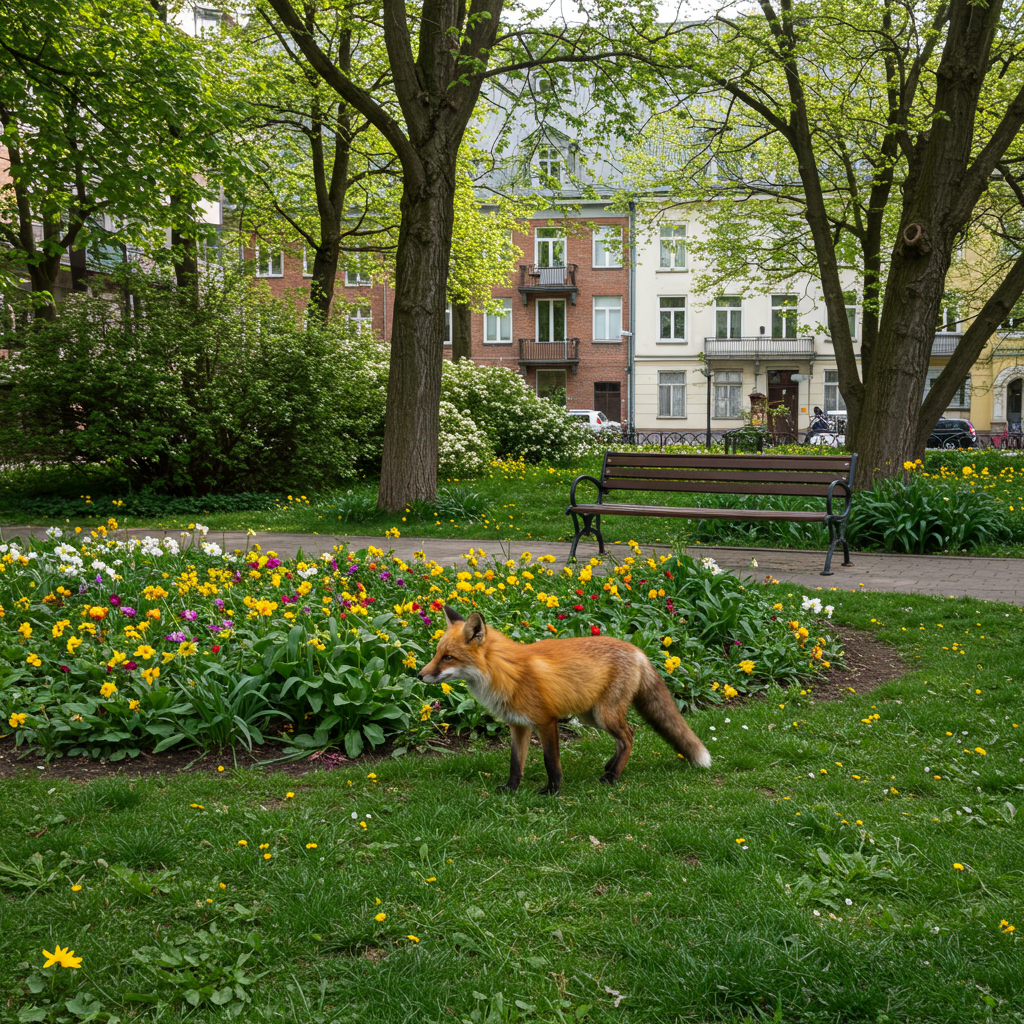
One of the most captivating aspects of urban wilds is their unexpected diversity. While we might picture a sterile cityscape, closer inspection reveals a complex ecosystem. Birds adapt their songs to be heard over traffic noise, peregrine falcons nest atop skyscrapers, and resourceful plants find root in the smallest cracks of pavement. Understanding this delicate balance helps us appreciate the tenacity of life and the interconnectedness of urban environments.
Beyond their ecological importance, urban wilds provide invaluable benefits to city dwellers. Studies have shown access to green spaces reduces stress, improves mental health, and fosters a sense of community. Imagine escaping the hustle and bustle for a quiet walk along a tree-lined path or simply enjoying lunch in a pocket park. These seemingly small interactions with nature can have a profound impact on our daily lives.
Discovering these urban oases often requires a shift in perspective. We need to look beyond the built environment and actively seek out the hidden gems within our cities. Local environmental organizations, community gardens, and even city parks offer guided walks and educational programs that can open our eyes to the natural wonders around us. Learning about the local flora and fauna can deepen our appreciation and inspire us to become stewards of these precious spaces.
Furthermore, embracing urban wilds can lead to a greater understanding of sustainable living. Rooftop gardens, urban farms, and community composting initiatives demonstrate how we can integrate nature into our urban landscapes. These projects not only provide access to fresh produce and green spaces but also promote ecological awareness and community engagement.
Ultimately, appreciating urban wilds is about recognizing the vital role nature plays in even the most densely populated areas. By exploring, understanding, and protecting these green spaces, we can create healthier, more vibrant, and sustainable cities for ourselves and future generations. So, take a moment to discover the urban wilds in your own community – you might be surprised by what you find.