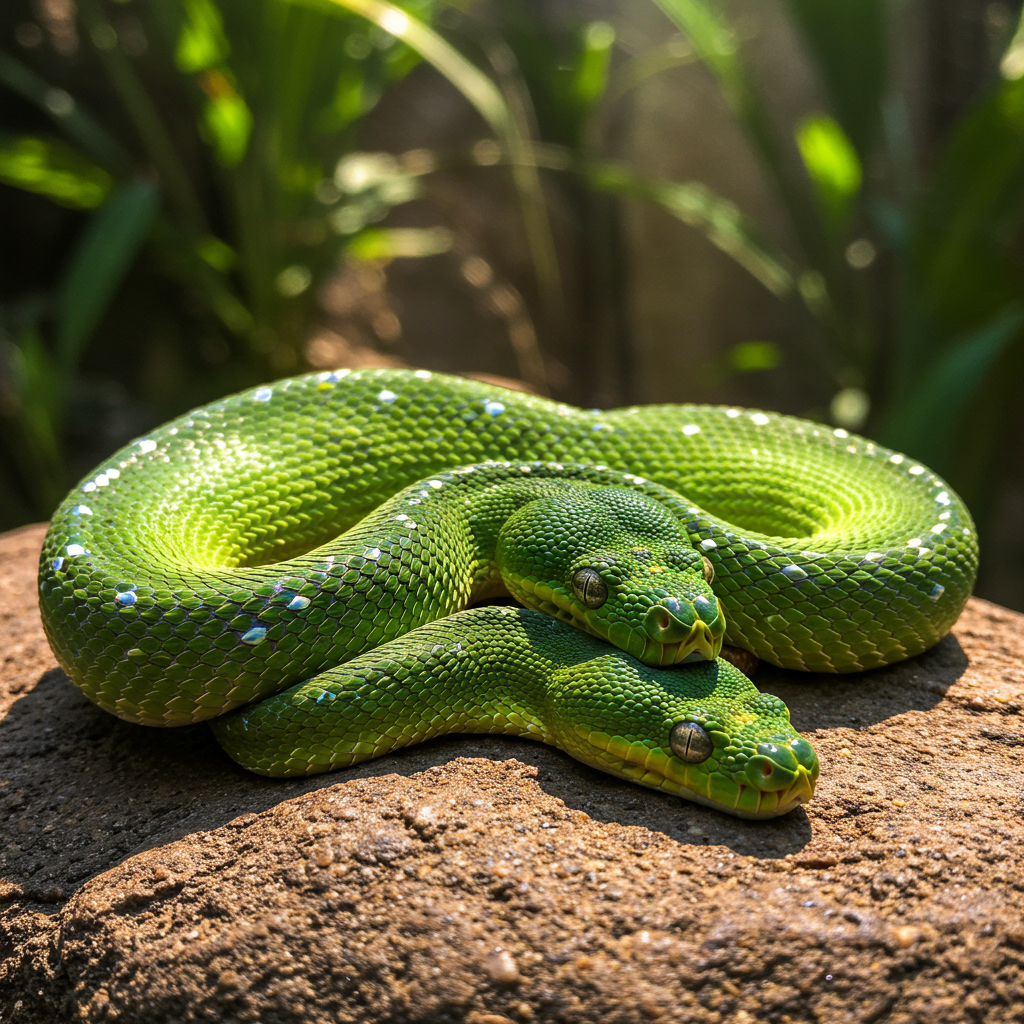
Reptiles, a class of cold-blooded vertebrates, have captivated humans for centuries. From the slithering grace of snakes to the ancient wisdom embodied by turtles, these scaled survivors have adapted to nearly every environment on Earth, showcasing a remarkable diversity of form and function. This article delves into the fascinating world of reptiles, exploring the key characteristics, evolutionary history, and ecological roles of these often-misunderstood creatures.
The reptilian lineage stretches back over 300 million years, predating even the dinosaurs. Their success can be attributed to a suite of evolutionary innovations, including the amniotic egg, which allowed them to reproduce away from water, and scales, which provide protection and prevent water loss. This combination opened up terrestrial habitats and paved the way for their global expansion.
Reptiles are ectothermic, meaning they rely on external sources of heat to regulate their body temperature. This reliance influences their behavior and distribution, often leading them to bask in the sun or seek shelter in cooler environments. While this might seem like a limitation, it’s actually a highly efficient strategy that allows them to thrive in resource-scarce environments where endothermic animals, like mammals, might struggle.
From the Komodo dragon, the largest living lizard, to the tiny Brookesia micra chameleon, barely larger than a fingernail, the size variation within the reptile class is astounding. This diversity extends to their diets as well. While many reptiles are carnivorous, preying on insects, rodents, and even larger animals, others have adopted herbivorous or omnivorous lifestyles. For instance, the green iguana is a dedicated herbivore, while some tortoise species enjoy a mixed diet of plants and invertebrates.
Reptiles play crucial roles in their respective ecosystems. Snakes, for example, help control rodent populations, while crocodiles and alligators are apex predators in their aquatic habitats. Turtles, often overlooked, contribute to seed dispersal and nutrient cycling. Understanding these ecological roles is vital for conservation efforts, especially in the face of habitat loss and climate change, which pose significant threats to many reptile species.
Sadly, many reptiles face an uncertain future. Habitat destruction, pollution, and the illegal pet trade have decimated populations worldwide. Conservation efforts are crucial to ensuring the survival of these fascinating creatures. By learning more about reptiles and their ecological importance, we can all contribute to protecting their future and appreciating the incredible biodiversity they represent.
Beyond their ecological significance, reptiles offer a window into the evolutionary history of life on Earth. Their remarkable adaptations and resilience provide valuable insights into the processes that have shaped our planet’s biodiversity. Studying these scaled survivors not only enriches our understanding of the natural world but also inspires awe and wonder at the intricate tapestry of life.