
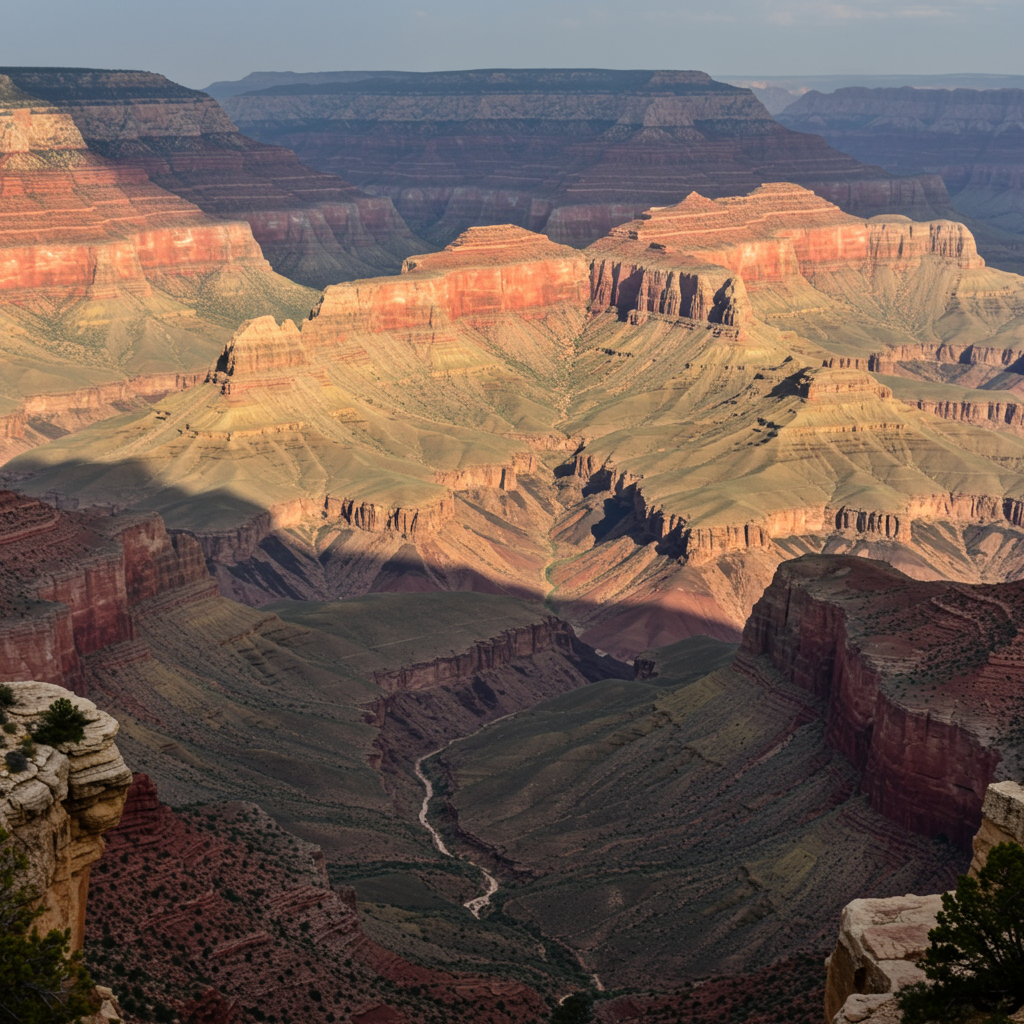
Canyon Grandeur: a phrase that evokes images of immense, sculpted landscapes, breathtaking vistas, and the raw power of nature. Canyons, formed over eons by the relentless forces of erosion, stand as testaments to the Earth’s geological history. From the vibrant hues of the American Southwest to the remote depths of the Himalayas, these natural wonders offer a glimpse into a world shaped by time, water, and wind. This article delves into the captivating world of canyons, exploring their formation, highlighting some of the most spectacular examples across the globe, and discussing their significance to both the natural world and human history.
Canyons are primarily carved by rivers, though other erosive forces like wind and glaciers also play a role. The process begins with uplift, where tectonic forces raise sections of the Earth’s crust. This creates a gradient, allowing rivers to gain momentum and begin their carving work. Over millions of years, the river cuts deeper into the rock, exploiting weaknesses and fractures. The steep walls of the canyon are then further shaped by weathering processes, such as freeze-thaw cycles and wind erosion, creating the dramatic landscapes we see today. The type of rock also influences canyon formation; harder rocks resist erosion, leading to steeper, more dramatic walls, while softer rocks erode more quickly, resulting in wider, gentler slopes.
The Grand Canyon, an iconic symbol of the American West, is arguably the most famous canyon in the world. Its vast scale, intricate layers of colorful rock, and sheer depth make it a truly awe-inspiring sight. However, canyon grandeur isn’t limited to North America. The Yarlung Tsangpo Grand Canyon in Tibet, often referred to as the “Brahmaputra Canyon,” is even deeper and longer than the Grand Canyon, winding its way through the Himalayas. Elsewhere, the Fish River Canyon in Namibia showcases a starkly different beauty, with its arid landscape and dramatic rock formations. Australia’s Capertee Valley, while technically not a river-carved canyon, boasts the widest canyon in the world, a testament to the power of erosion over vast stretches of time.
Canyons are not merely geological marvels; they also hold significant ecological and cultural importance. They provide unique habitats for a diverse range of plant and animal life, often supporting species found nowhere else on Earth. For humans, canyons have served as both shelters and sources of inspiration, playing a vital role in the history and traditions of many cultures. From ancient cliff dwellings to modern-day adventure tourism, canyons continue to captivate and inspire us, reminding us of the power and beauty of the natural world.
Exploring these magnificent formations offers a profound connection to the planet’s history and the forces that have shaped it. Whether you’re gazing across the vast expanse of the Grand Canyon or hiking through the narrow depths of a slot canyon, the experience of witnessing canyon grandeur is both humbling and unforgettable. It’s a journey into deep time, a reminder of the Earth’s enduring power, and a testament to the beauty that can emerge from the slow, relentless forces of nature.