The natural world hums with a symphony of life, a complex web of interactions we’re only beginning to understand. But unraveling these mysteries, and crucially, protecting our planet’s biodiversity, requires more than just the efforts of professional scientists. It demands a collective effort, a global team of nature detectives, and that’s where citizen science comes in.
Citizen science empowers everyday individuals to contribute meaningfully to scientific research. From tracking migrating monarch butterflies to identifying invasive plant species, anyone with a passion for nature can play a vital role. Imagine contributing to a real-time database of bird sightings, helping researchers understand population trends and migration patterns. Picture yourself photographing a unique insect, unknowingly documenting a new species or range expansion. These seemingly small actions, multiplied across a network of dedicated volunteers, generate an invaluable wealth of data that informs conservation efforts worldwide.
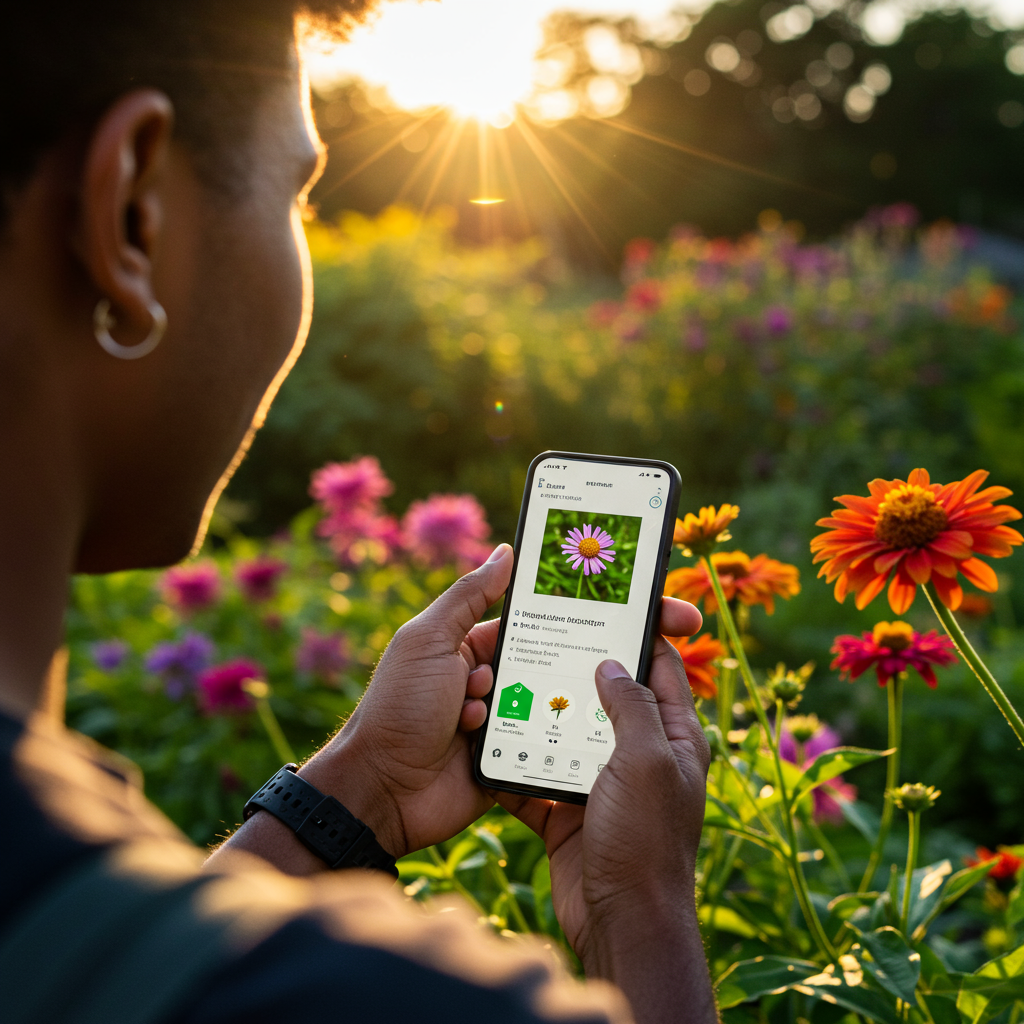
One of the most compelling aspects of citizen science is its accessibility. You don’t need a PhD or expensive equipment to participate. Numerous projects rely on simple observation and data entry, utilizing smartphone apps and online platforms to streamline the process. For instance, the iNaturalist app allows users to upload photos of plants and animals, leveraging image recognition technology and community expertise for identification. This not only contributes to scientific knowledge but also provides a fantastic learning opportunity for participants, fostering a deeper connection with the natural world.
The impact of citizen science extends far beyond data collection. By engaging the public in scientific inquiry, these initiatives cultivate environmental awareness and stewardship. When individuals actively participate in research, they develop a deeper understanding of the challenges facing our planet and become more invested in finding solutions. This grassroots movement empowers communities to take ownership of their local environments, leading to more effective conservation strategies and a greater appreciation for the interconnectedness of all living things.
Furthermore, citizen science projects often address critical data gaps, providing researchers with information that would be impossible to gather otherwise. Consider the vastness of the ocean or the remote wilderness areas where traditional scientific expeditions are logistically challenging and expensive. Citizen scientists, dispersed across the globe, can act as eyes and ears on the ground, collecting data from diverse locations and contributing to a more comprehensive understanding of ecological processes.
From monitoring water quality in local streams to documenting the effects of climate change on plant phenology, the possibilities for citizen science are endless. By embracing your inner nature detective, you can contribute to a global effort to protect our planet’s biodiversity, one observation at a time. Join the ranks of citizen scientists and become part of a powerful movement that’s shaping the future of conservation.