Wildfire, a force as ancient as life itself, shapes ecosystems in profound ways, wielding the power to both renew and destroy. Its dance across the landscape leaves a complex legacy, a mosaic of destruction and rebirth that has fascinated scientists and terrified communities for centuries. This article delves into the intricate relationship between fire and the environment, exploring its dual nature as both a destructive agent and a vital catalyst for ecological renewal.
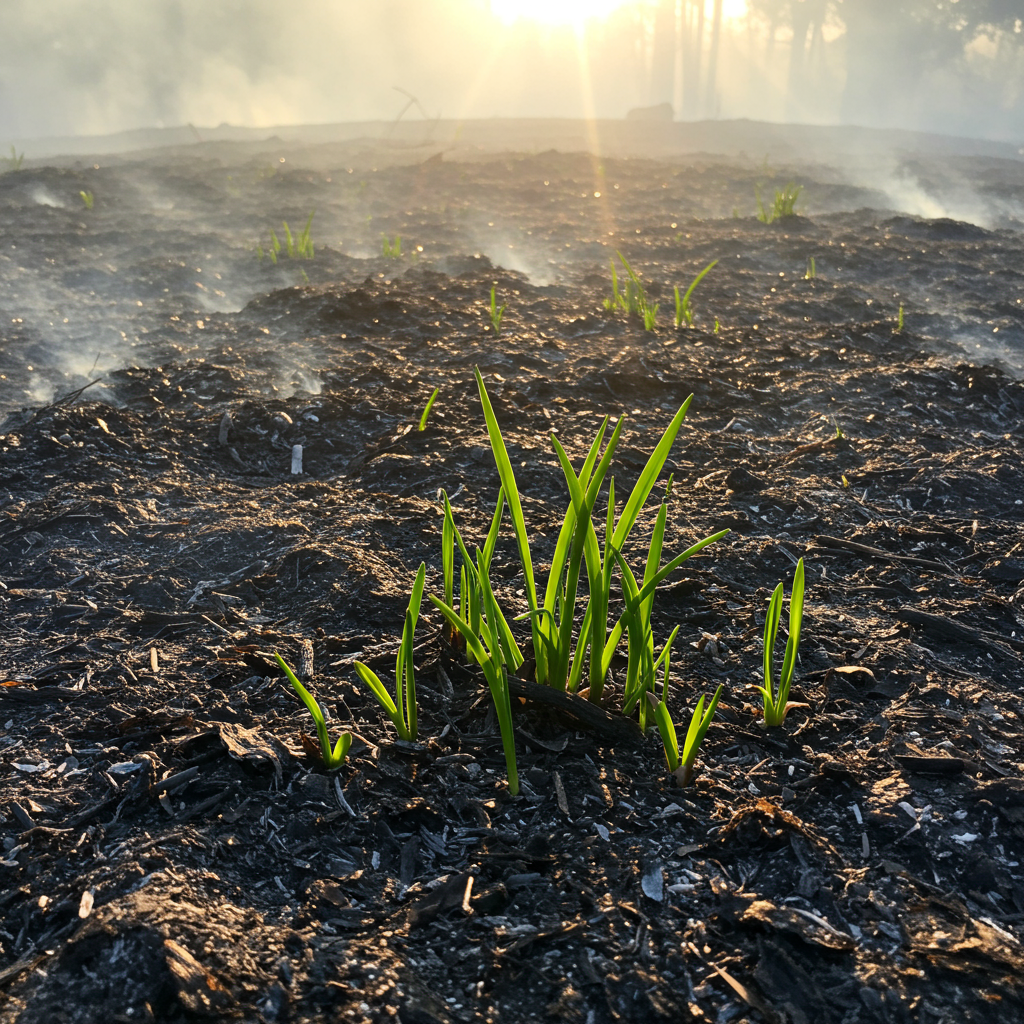
Fire’s destructive potential is undeniable. Raging infernos consume vast tracts of forest, decimate wildlife populations, and threaten human lives and property. The immediate aftermath can resemble a desolate wasteland, charred and seemingly lifeless. However, this perception of utter devastation often overlooks the subtle ways in which fire can actually benefit an ecosystem. Many plant species have evolved remarkable adaptations to not only survive fire but to thrive in its wake.
For instance, some trees, like the ponderosa pine, possess thick bark that acts as insulation against the intense heat. Others, like the lodgepole pine, rely on serotinous cones, which remain sealed until exposed to the high temperatures of a fire, releasing their seeds onto the newly cleared ground. These adaptations highlight the intricate interplay between fire and the flora it influences, demonstrating how some species have evolved to depend on fire for their reproductive cycle.
Fire also plays a crucial role in nutrient cycling. The combustion of organic matter releases essential nutrients back into the soil, enriching it and promoting new growth. Furthermore, fire clears away dense underbrush and leaf litter, reducing competition for resources and creating open spaces that allow sunlight to reach the forest floor. This process fosters the growth of diverse plant communities, including grasses and wildflowers, which provide food and habitat for a variety of animals.
However, the delicate balance between renewal and destruction can be easily disrupted. Human activities, such as fire suppression and climate change, have significantly altered fire regimes in many parts of the world. Decades of suppressing naturally occurring fires have led to the accumulation of excessive fuel loads, creating conditions ripe for catastrophic wildfires. Simultaneously, a warming climate has increased the frequency and intensity of droughts, further exacerbating the risk of large-scale fires.
Understanding the complex role of fire in ecosystem dynamics is crucial for developing effective land management strategies. Prescribed burns, carefully controlled fires set under specific conditions, can help reduce fuel loads, mimic natural fire regimes, and promote ecosystem health. These controlled burns, while seemingly paradoxical, are a vital tool for mitigating the risk of devastating wildfires and ensuring the long-term resilience of our forests and other fire-adapted ecosystems. By embracing fire’s natural role, we can learn to coexist with this powerful force and harness its potential for ecological renewal.
Ultimately, wildfire is a fundamental ecological process, a dance of destruction and rebirth that has shaped our planet for millennia. By recognizing its dual nature and working with, rather than against, this powerful force, we can help ensure the health and resilience of our ecosystems for generations to come.