
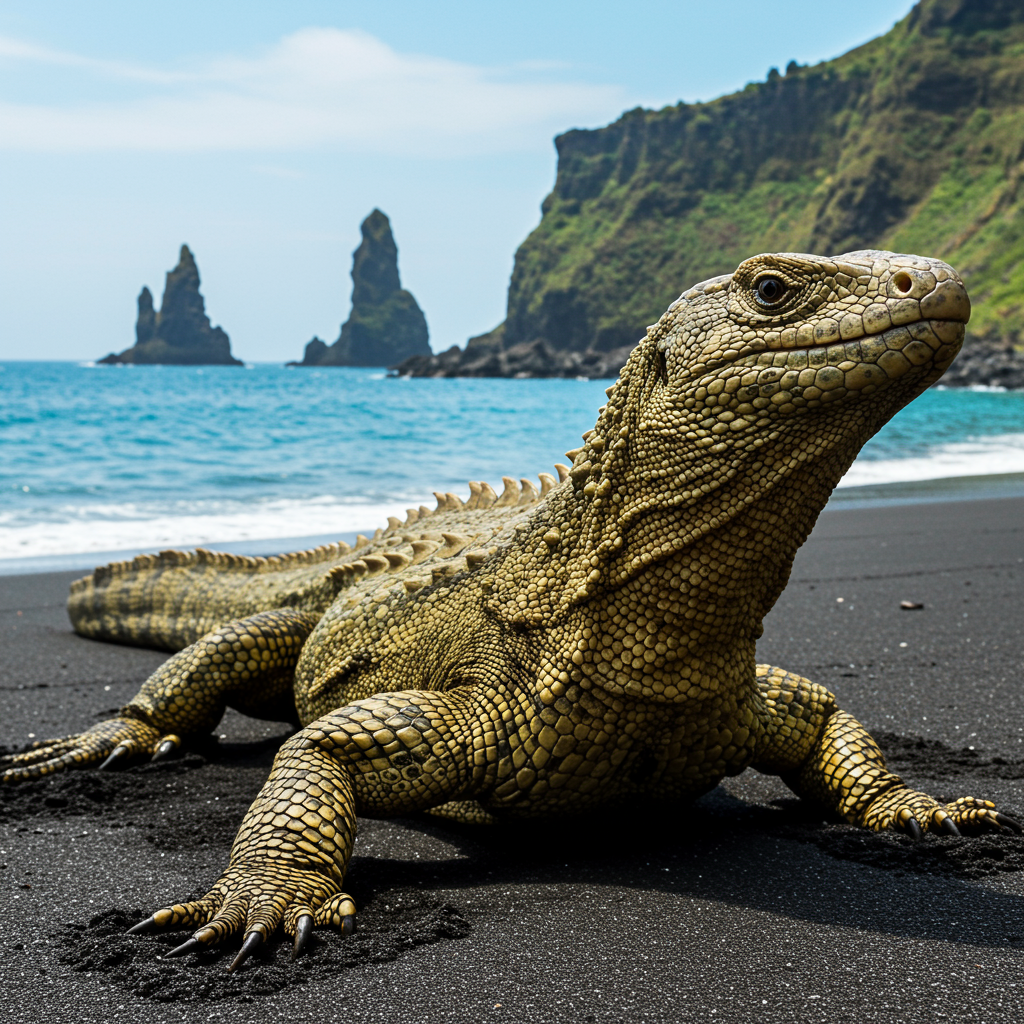
Island ecosystems, isolated by vast stretches of ocean, represent some of the most fascinating and unique biological laboratories on Earth. These sanctuaries, often untouched by human development, have given rise to an astonishing array of specialized flora and fauna, shaped by the forces of evolution in remarkable ways. This article delves into the captivating world of island biodiversity, exploring the factors that contribute to its distinctiveness and the challenges these fragile environments face.
Geographic isolation plays a crucial role in shaping the evolutionary trajectories of island species. With limited gene flow from mainland populations, island organisms adapt to their specific environment, often leading to the development of endemic species – those found nowhere else on the planet. Think of the Galapagos Islands’ giant tortoises, each subspecies uniquely adapted to its specific island’s vegetation and terrain. This phenomenon, known as adaptive radiation, is a hallmark of island evolution, resulting in a remarkable diversity of life forms, from flightless birds like the New Zealand kiwi to miniature deer species found in Indonesia.
The unique flora of islands also reflects the interplay of isolation and environmental factors. Strong winds, salt spray, and limited freshwater resources have led to the evolution of specialized plant adaptations, such as drought resistance, salt tolerance, and unique dispersal mechanisms. For instance, the iconic coconut palm, with its buoyant fruit, has successfully colonized tropical coastlines worldwide, demonstrating the power of long-distance dispersal. Furthermore, the absence of large herbivores on many islands has allowed certain plant species to flourish, creating lush forests and unique plant communities.
However, these island sanctuaries are increasingly vulnerable to external pressures. The introduction of invasive species, habitat destruction, and climate change pose significant threats to endemic flora and fauna. The delicate balance of island ecosystems is easily disrupted, and the loss of even a single species can have cascading effects throughout the food web. Conservation efforts, including invasive species control, habitat restoration, and the establishment of protected areas, are crucial to safeguarding these biodiversity hotspots for future generations.
Understanding the unique evolutionary processes and ecological dynamics of island sanctuaries is essential for effective conservation. By appreciating the remarkable adaptations and inherent fragility of these ecosystems, we can work towards preserving these natural treasures and the incredible diversity of life they harbor.