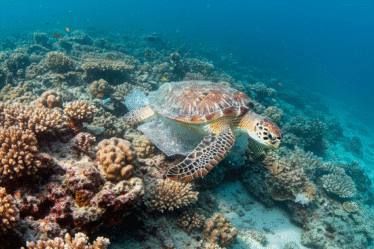
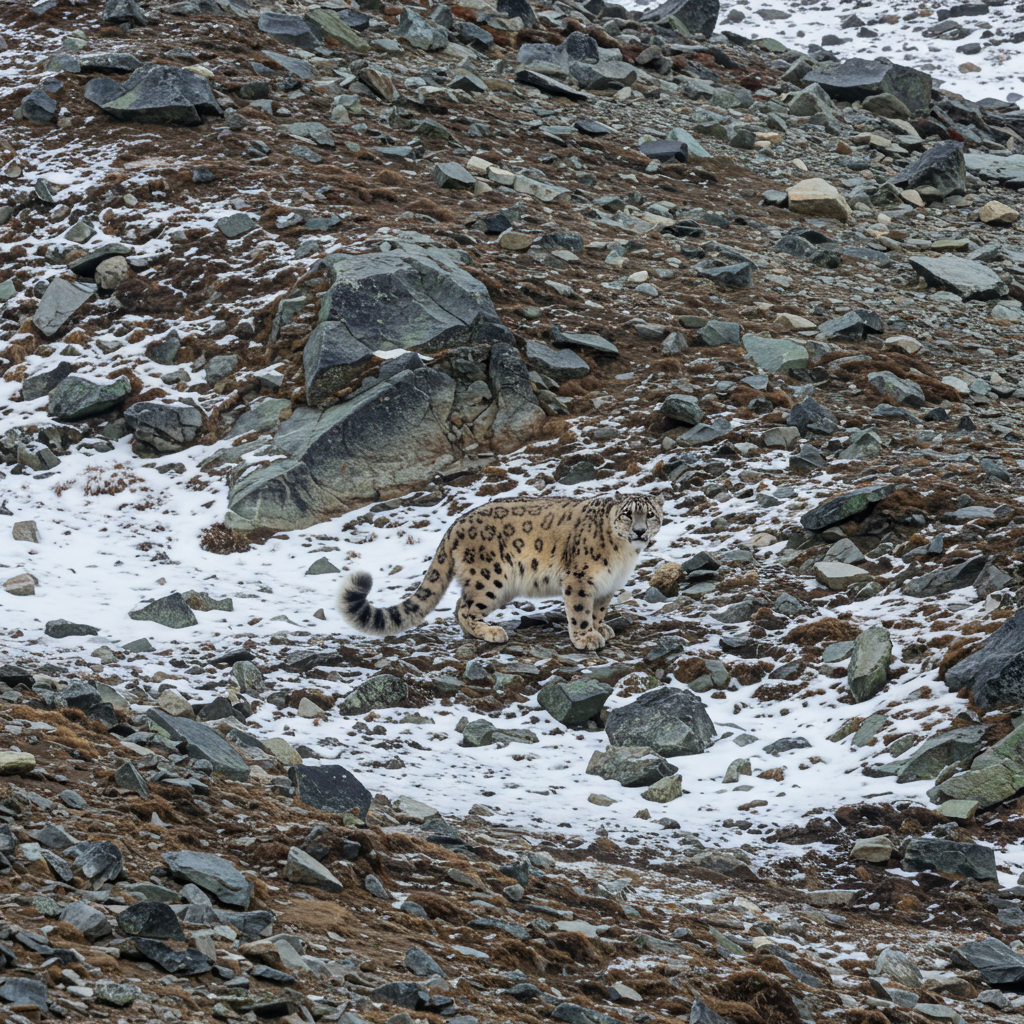
Camouflage, the art of blending seamlessly with one’s surroundings, is a remarkable evolutionary adaptation employed by a diverse array of animals. From the icy Arctic to the lush rainforests, these masters of disguise utilize a variety of techniques to evade predators or ambush unsuspecting prey. This article delves into the fascinating world of animal camouflage, exploring the ingenious strategies and breathtaking adaptations that allow these creatures to effectively vanish into their environments.
One of the most common camouflage strategies is background matching, where an animal’s coloration mimics the colors and patterns of its habitat. Consider the Arctic fox, whose pristine white winter coat renders it virtually invisible against the snowy landscape. This allows it to stalk prey undetected and also provides crucial protection from larger predators. Similarly, the mottled brown and grey plumage of the nightjar perfectly mirrors the forest floor, allowing this nocturnal bird to remain hidden during daylight hours.
Disruptive coloration takes camouflage a step further by breaking up the outline of an animal’s body, making it difficult to discern its shape against a complex background. Zebras, with their bold black and white stripes, exemplify this strategy. While seemingly conspicuous, the stripes effectively confuse predators, especially in the dappled light of their African savanna habitat, making it challenging to isolate a single individual within a herd.
Beyond color, some animals utilize elaborate physical adaptations to enhance their camouflage. The leafy sea dragon, a marine marvel found in the waters off Australia, possesses leaf-like appendages that perfectly mimic the swaying seaweed of its environment. This remarkable disguise allows it to ambush small crustaceans and avoid detection by predators. Similarly, the stick insect, with its elongated body and twig-like appearance, seamlessly blends in with the branches and foliage of its habitat, making it virtually invisible to the untrained eye.
Camouflage isn’t static; many animals can adapt their appearance to match changing environments. The chameleon, perhaps the most famous example, possesses specialized pigment-containing cells called chromatophores that allow it to rapidly alter its skin color to match its surroundings. This dynamic camouflage provides both protection and an advantage when hunting insects.
The study of animal camouflage continues to inspire scientists and engineers, leading to innovations in areas like military camouflage and even fashion. From the subtle hues of a moth’s wings to the intricate patterns of a snake’s skin, the natural world offers a wealth of ingenious solutions to the challenges of survival. These masters of disguise remind us of the incredible power of adaptation and the intricate beauty of the natural world.