
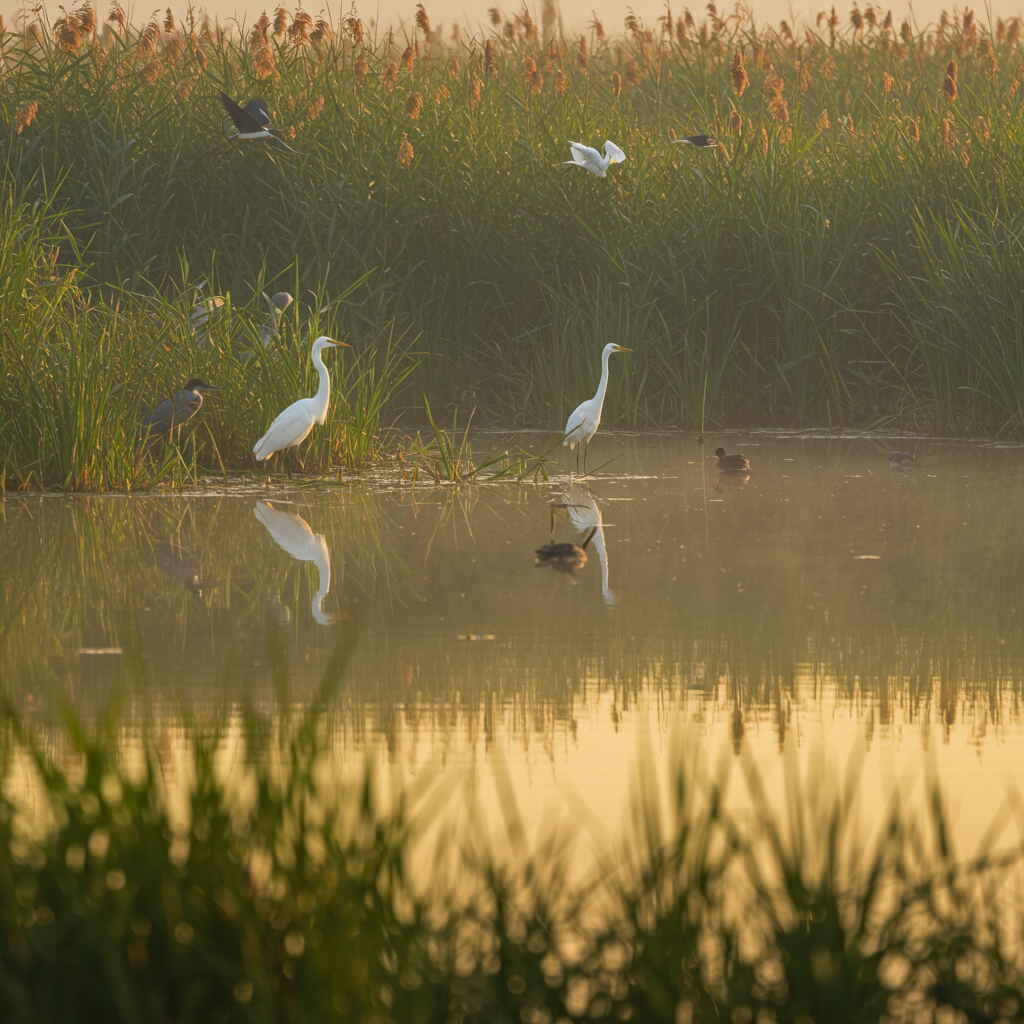
Wetlands, often misunderstood as murky wastelands, are in reality vibrant ecosystems teeming with life and playing a crucial role in the health of our planet. These intricate landscapes, encompassing swamps, marshes, and bogs, are biodiversity hotspots, providing critical habitat for a vast array of species. From microscopic organisms to majestic wading birds, wetlands support an interconnected web of life that rivals even the most lush rainforests.
One of the most significant contributions of wetlands lies in their ability to act as natural water purifiers. They function like giant sponges, absorbing excess rainfall and filtering pollutants from runoff before it reaches rivers, lakes, and oceans. This natural filtration process not only improves water quality but also helps mitigate the impacts of flooding, safeguarding communities and infrastructure. Imagine a network of natural reservoirs, holding back floodwaters and slowly releasing them, preventing catastrophic damage downstream.
Beyond their role in water management, wetlands are crucial carbon sinks. They sequester atmospheric carbon dioxide at rates significantly higher than terrestrial forests, effectively locking away this greenhouse gas and helping to combat climate change. The intricate root systems of wetland plants trap and store carbon in the soil, creating vast reserves of organic matter that contribute to the long-term stability of these ecosystems. This carbon sequestration capacity underscores the importance of wetland conservation in our efforts to address the global climate crisis.
Economically, wetlands provide invaluable services. They support thriving fisheries, providing nurseries for countless commercially important species. Furthermore, they offer recreational opportunities, attracting tourists for birdwatching, kayaking, and other nature-based activities. These economic benefits highlight the interconnectedness between healthy ecosystems and human well-being.
Unfortunately, wetlands face increasing threats from human activities, including drainage for agriculture, urban development, and pollution. The consequences of wetland loss are far-reaching, impacting not only biodiversity but also water quality, flood control, and carbon sequestration. It’s imperative that we recognize the vital role wetlands play and implement effective conservation strategies to protect these invaluable ecosystems for future generations.
Protecting wetlands isn’t just about preserving biodiversity; it’s about safeguarding our own future. By understanding the complex interplay of life within these unique environments, we can begin to appreciate their true value and work towards their long-term preservation. The future of our planet, in many ways, depends on the health of these thriving nurseries of life.


