
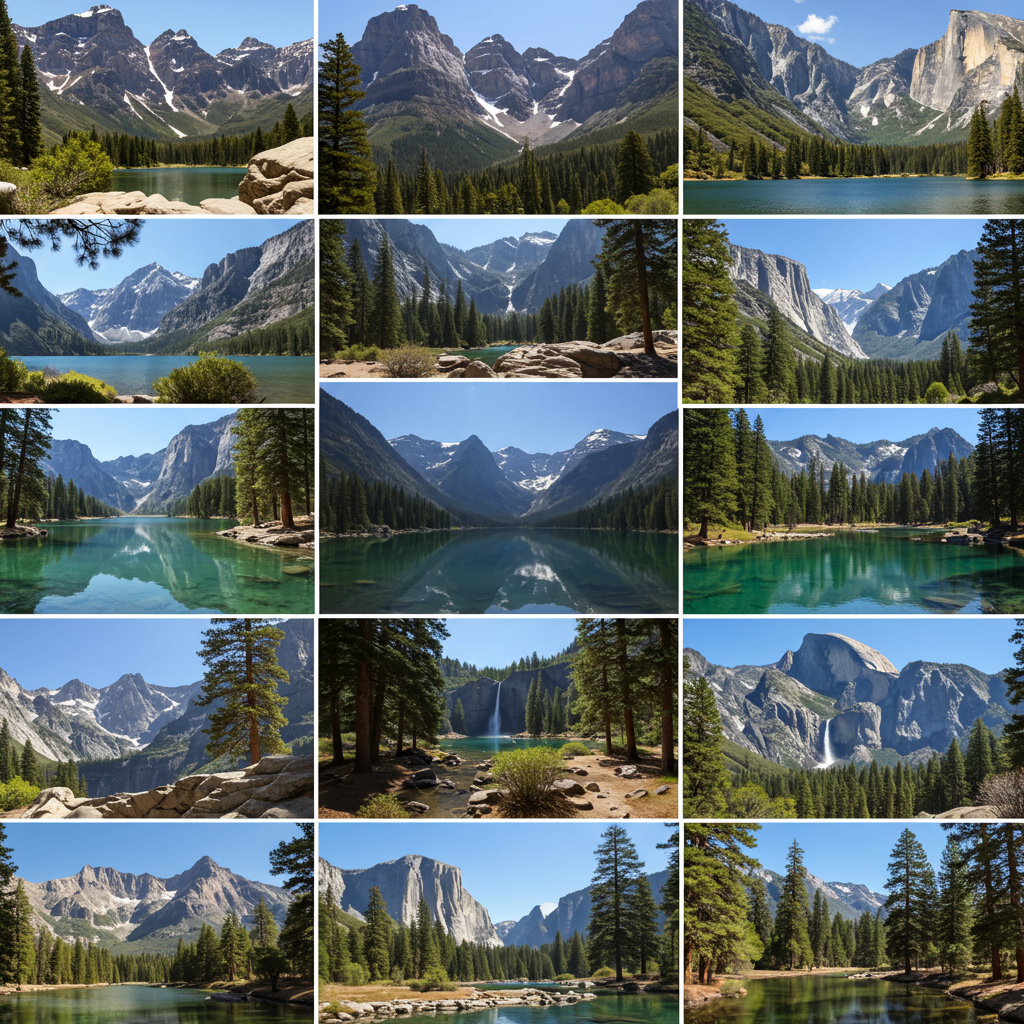
America’s national parks are more than just scenic landscapes; they are a testament to the nation’s commitment to preserving its natural heritage. These protected areas, encompassing diverse ecosystems from the rugged peaks of the Rockies to the lush Everglades, offer a glimpse into the raw, untamed beauty that defines much of the American spirit. This article delves into the captivating world of America’s national parks, exploring their ecological significance, recreational opportunities, and the vital role they play in preserving biodiversity for future generations.
From the towering granite cliffs of Yosemite to the vibrant coral reefs of the Virgin Islands National Park, each park boasts a unique character. Yellowstone, the world’s first national park, captivates visitors with its geothermal wonders, while the Grand Canyon reveals the Earth’s geological history etched into its colorful layers. These natural wonders aren’t simply picturesque backdrops; they are dynamic ecosystems teeming with life. They provide sanctuary for countless species of plants and animals, many of which are found nowhere else on Earth. Understanding the delicate balance within these ecosystems is crucial to their preservation, and park rangers play a vital role in educating visitors about the importance of conservation.
Beyond their ecological significance, national parks offer a wealth of recreational activities. Hiking through ancient forests, kayaking in pristine waters, and camping under a star-studded sky are just a few of the ways visitors can connect with nature. Many parks also offer educational programs and guided tours, providing deeper insights into the park’s history, geology, and wildlife. This immersive experience allows visitors to develop a personal connection with these special places, fostering a sense of stewardship and responsibility for their protection.
The accessibility of these parks is another key aspect of their value. While some parks require extensive planning and backcountry permits, many offer easily accessible trails and visitor centers, making them welcoming to families and individuals of all ages and abilities. The National Park Service works diligently to ensure these treasures remain accessible to everyone, fostering a shared appreciation for the natural world. However, with increasing visitor numbers, the challenge of balancing accessibility with preservation becomes ever more critical. Sustainable tourism practices are essential to minimize the impact of human activity and ensure these natural wonders remain intact for generations to come.
In conclusion, America’s national parks are indeed crown jewels, representing the nation’s commitment to preserving its natural heritage. They offer not only breathtaking scenery and recreational opportunities, but also vital havens for biodiversity and invaluable opportunities for education and personal growth. Protecting these national treasures requires a collective effort, and by appreciating their value and supporting their preservation, we can ensure that future generations can continue to experience the awe-inspiring beauty of America’s wild places.