
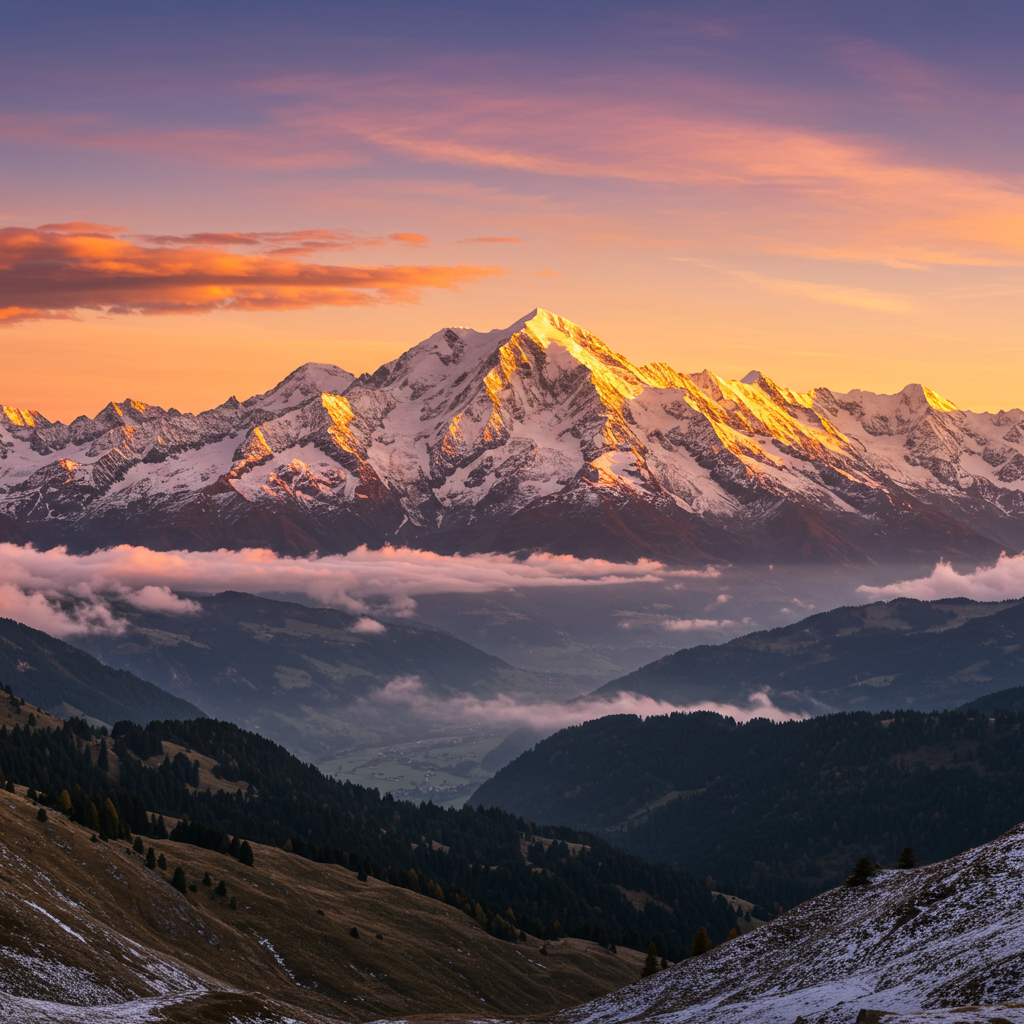
Mountains, the Earth’s majestic crowns, have captivated humanity for millennia. Their towering peaks pierce the sky, inspiring awe and a sense of adventure. This article delves into the fascinating world of mountain landscapes, exploring their formation, diverse ecosystems, and the profound impact they have on our planet and its inhabitants.
Millions of years of geological processes, primarily tectonic plate movements, have sculpted these dramatic landforms. The collision of continental plates forces massive rock formations upwards, creating the jagged peaks and deep valleys that characterize mountain ranges. Volcanic activity also plays a significant role, with eruptions building conical mountains over time. Understanding these forces allows us to appreciate the sheer power of nature and the immense timescale over which these landscapes evolve.
Beyond their geological significance, mountains are biodiversity hotspots. As elevation increases, distinct ecological zones emerge, each supporting a unique array of flora and fauna. From the lush forests at the base to the alpine meadows and barren peaks, life adapts to the changing conditions. This vertical stratification creates a tapestry of ecosystems, harboring species found nowhere else on Earth. Preserving these fragile environments is crucial, not only for the species that call them home but also for the vital role mountains play in regulating global climate patterns.
Mountains act as natural water towers, storing vast quantities of snow and ice that feed rivers and provide freshwater resources to downstream communities. They also influence weather patterns, acting as barriers to wind and precipitation. Furthermore, mountain landscapes offer a wealth of recreational opportunities, from hiking and climbing to skiing and snowboarding, drawing adventurers and nature enthusiasts from around the globe. However, this increasing human presence also brings challenges, including habitat destruction, pollution, and the impacts of climate change. Finding a balance between human activity and environmental protection is essential to ensure the long-term health of these precious ecosystems.
The cultural significance of mountains is deeply ingrained in human history. Many cultures revere mountains as sacred places, associating them with spiritual power and ancestral connections. They have inspired artists, writers, and philosophers for centuries, serving as metaphors for strength, resilience, and the pursuit of higher ideals. As we continue to explore and understand these majestic landscapes, let us also strive to protect them, ensuring that future generations can experience the wonder and inspiration that mountains offer.