Winter’s Nap: Understanding and Managing Plant Dormancy in the Colder Months. As temperatures plummet and the vibrant hues of summer fade, the natural world embarks on a period of quietude. For many plants, this means entering dormancy, a crucial survival strategy that allows them to withstand the harsh conditions of winter. This seemingly inactive period is, in fact, a complex physiological process, a carefully orchestrated retreat that safeguards the plant’s future growth. Understanding plant dormancy is key to ensuring the health and vitality of your garden, whether you’re tending a sprawling landscape or nurturing a few cherished potted plants.
Dormancy isn’t simply a period of inactivity; it’s a dynamic process triggered by environmental cues, primarily shorter days and decreasing temperatures. These signals initiate a cascade of hormonal changes within the plant, slowing down metabolic processes and halting growth. Imagine a bear preparing for hibernation, storing energy and slowing its metabolism. Similarly, plants redirect their resources, storing sugars and starches in their roots and stems to fuel their re-emergence in spring. This intricate dance of adaptation allows plants to conserve energy and protect themselves from freezing temperatures and desiccation.
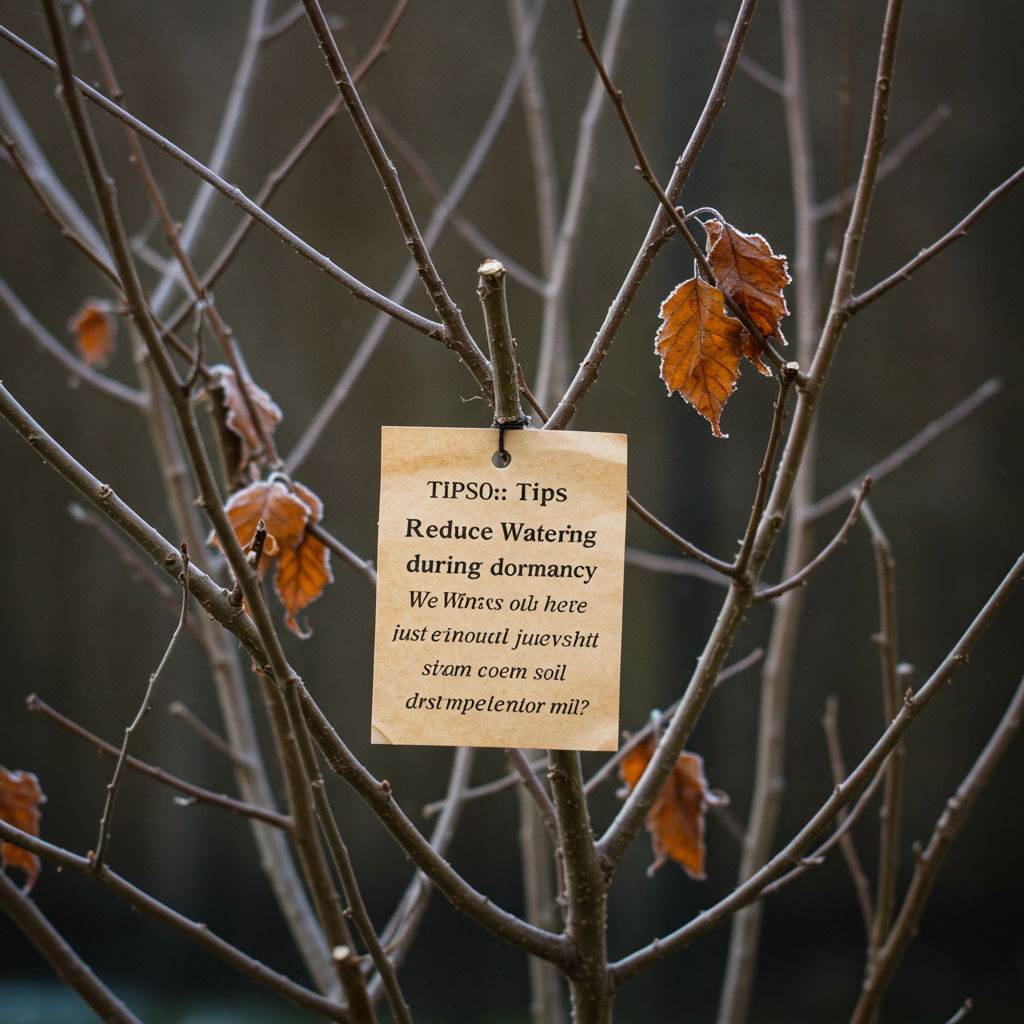
Different plants exhibit varying degrees and types of dormancy. Deciduous trees shed their leaves, a dramatic visual cue of their dormant state. Evergreen trees, while retaining their needles, still experience a reduction in metabolic activity. Perennials die back to the ground, their underground roots and rhizomes surviving the winter’s chill. Understanding these nuances is vital for tailoring your gardening practices to the specific needs of your plants. Providing proper care during dormancy, such as appropriate watering, mulching, and pruning, can significantly impact their future health and productivity.
Managing plant dormancy effectively involves recognizing the specific needs of different species. For example, overwatering dormant plants can lead to root rot, a common problem during winter months. Conversely, neglecting to provide adequate moisture can result in desiccation, especially in evergreen plants. Pruning should be done judiciously during dormancy, focusing on removing dead or damaged branches while avoiding stimulating new growth that would be vulnerable to frost damage. Mulching around the base of plants can help insulate the soil, protecting roots from temperature fluctuations and conserving moisture.
By understanding the intricacies of plant dormancy, gardeners can foster a thriving and resilient landscape. This knowledge empowers us to work in harmony with nature’s rhythms, providing the necessary care and support for our plants during their winter slumber. As the days lengthen and temperatures rise, we can then anticipate the vibrant reawakening of our gardens, a testament to the remarkable resilience and adaptability of the plant kingdom.