Begonias, with their captivating foliage and delicate blooms, have graced windowsills and gardens for centuries. From the subtly shaded Rex begonias to the cascading Tuberous varieties, the sheer diversity within the Begonia genus offers a plant for every taste and growing condition. This article delves into the fascinating world of begonias, exploring their varied types and providing essential tips for their successful cultivation.
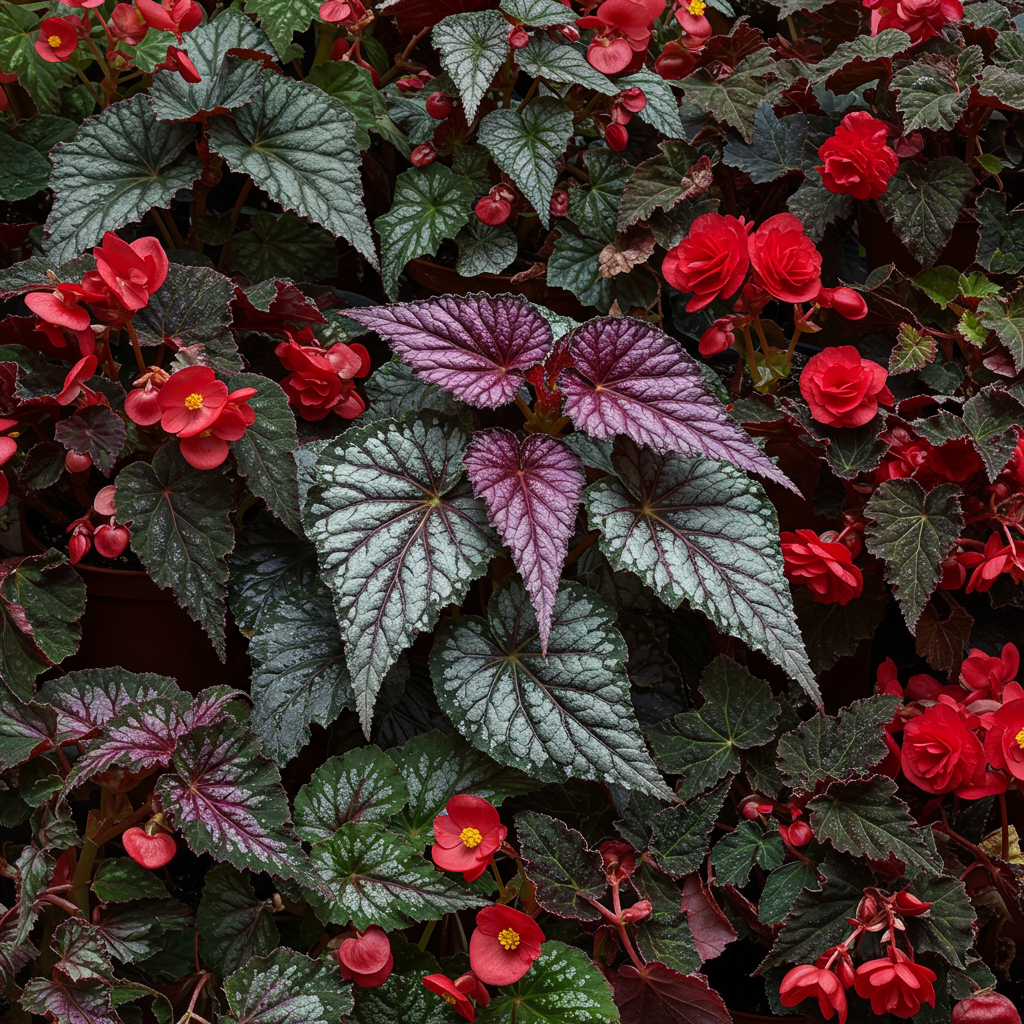
One of the most striking features of begonias is the incredible range of leaf shapes, textures, and colors. The aptly named Rex begonias are renowned for their intricate patterns and iridescent hues, ranging from deep burgundy and emerald green to shimmering silver and electric pink. Their leaves can be spiraled, ruffled, or deeply lobed, adding an element of textural intrigue to any space. Other varieties, such as the Angel Wing begonia, showcase elegantly elongated leaves with striking silver markings, while the Cane-like begonias, with their upright stems and patterned foliage, offer a more architectural presence.
Beyond their foliage, many begonias also boast beautiful flowers. Tuberous begonias, for example, produce large, showy blooms in a spectrum of colors, from vibrant reds and oranges to soft pastels. These summer-blooming beauties are a popular choice for hanging baskets and containers, adding a touch of elegance to patios and balconies. Other varieties, like the Rieger begonia, offer continuous displays of smaller, yet equally charming, flowers throughout the year.
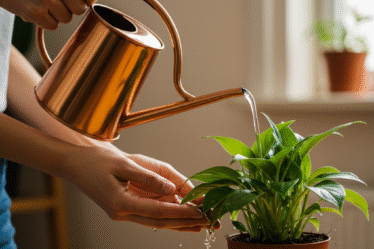
Successfully growing begonias requires understanding their specific needs. Most begonias thrive in bright, indirect light, although some varieties, like Rex begonias, tolerate lower light conditions. Overwatering is a common pitfall, as begonias prefer consistently moist, but not soggy, soil. Allowing the top inch of soil to dry out between waterings is generally recommended. Good drainage is essential to prevent root rot, a common problem that can quickly decimate these delicate plants.
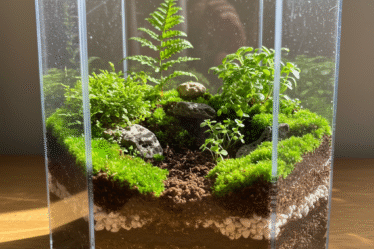
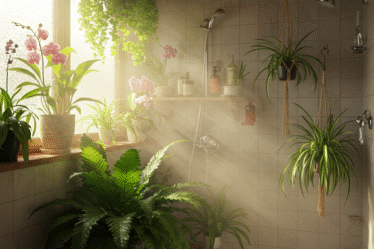
Humidity is another crucial factor for begonias, particularly those with thinner leaves. Grouping plants together, placing them on a tray of pebbles filled with water, or using a humidifier can help create a more humid microclimate. During the growing season, regular feeding with a balanced liquid fertilizer will encourage healthy growth and abundant blooms. As begonias are relatively tender plants, protecting them from extreme temperatures, both hot and cold, is essential for their long-term health and vitality.
Whether you’re a seasoned gardener or just beginning your plant journey, begonias offer a rewarding and enriching experience. With their diverse forms, captivating colors, and relatively easy care requirements, these versatile plants can brighten any space and bring a touch of natural beauty into your home.