Busting Plant Myths: Common Houseplant Misconceptions Debunked by the Experts
For years, I’ve dedicated my research to understanding the intricate lives of houseplants, and one thing has become abundantly clear: misinformation spreads like wildfire. Well-intentioned plant parents often fall prey to myths and misconceptions that can hinder their green thumbs and lead to less-than-thriving greenery. This article delves into some of the most pervasive plant myths, separating fact from fiction to empower you with the knowledge to nurture your indoor jungle effectively.
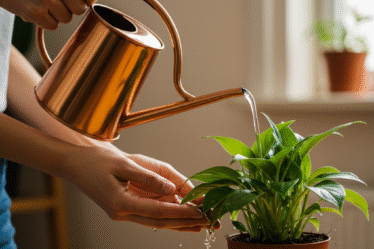
One common misconception revolves around watering. Many believe that all plants require the same watering schedule. This couldn’t be further from the truth. Different species have vastly different water requirements. A succulent, adapted to arid environments, will thrive with minimal watering, while a tropical fern craves consistent moisture. Understanding the native habitat of your plant can provide valuable clues about its watering needs. Observe your plants closely – drooping leaves can indicate either overwatering or underwatering, so feel the soil to determine the true culprit. Dry soil? Time for a drink. Soggy soil? Hold back.
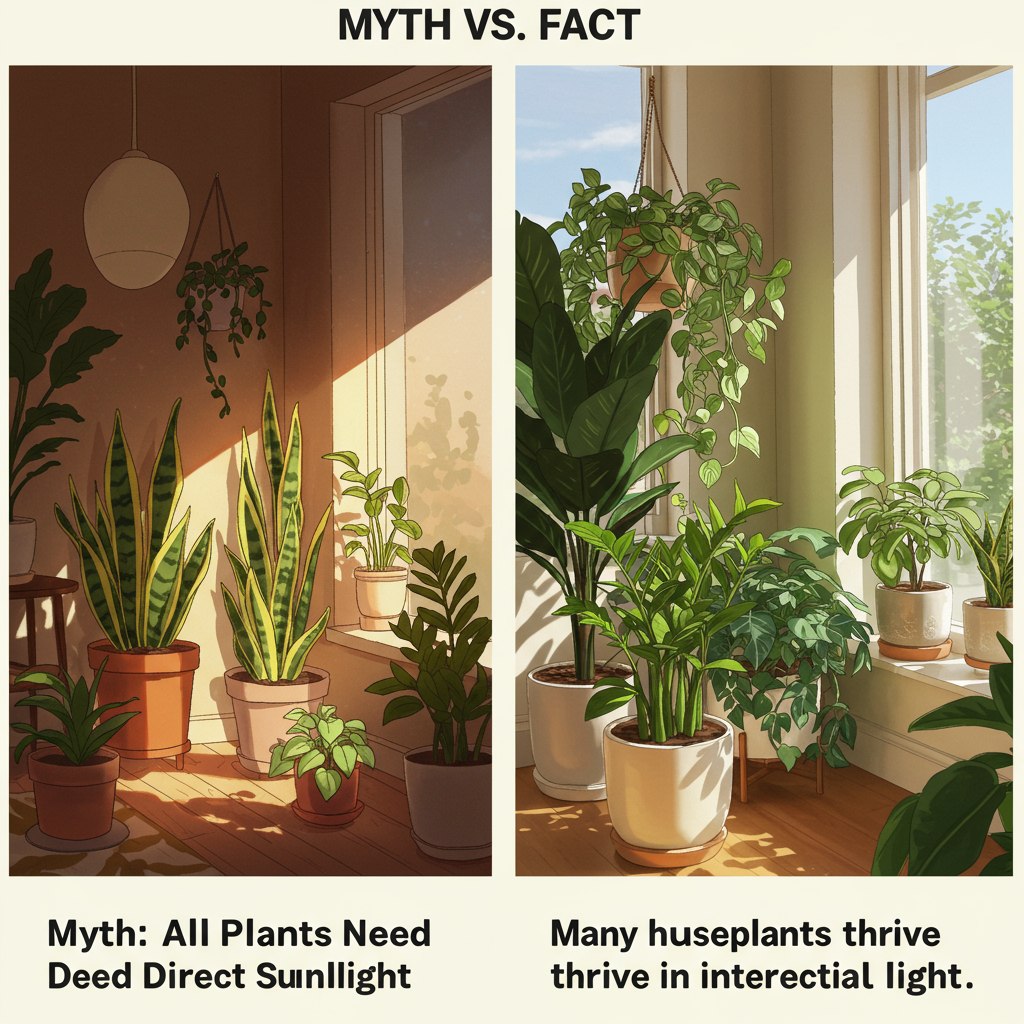
Another persistent myth is the notion that all plants need direct sunlight. While many plants do appreciate bright, indirect light, some thrive in lower light conditions. Placing a sun-loving succulent in a dimly lit corner will inevitably lead to its demise, while a shade-tolerant snake plant might actually prefer it there. Researching the specific light requirements of your plant is crucial for its long-term health and happiness.
The myth of constant fertilization also needs debunking. Plants, like any living organism, require nutrients, but over-fertilizing can be detrimental, leading to root burn and other issues. Different plants have different nutrient needs, and the frequency of fertilization should be adjusted accordingly. Generally, it’s best to fertilize during the growing season (spring and summer) and reduce or cease fertilization during the dormant period (fall and winter). Always follow the instructions on your chosen fertilizer to avoid overdoing it.
Finally, let’s address the myth of repotting frequency. While some plants benefit from annual repotting, others prefer to stay put for several years. Repotting too frequently can stress the plant and disrupt its root system. A good rule of thumb is to repot when the roots start circling the bottom of the pot or when the plant appears root-bound. Choosing the right pot size is also essential – opt for a pot that’s only slightly larger than the previous one to avoid overwatering and root rot.
By understanding the specific needs of your plants and dispelling these common misconceptions, you can cultivate a thriving indoor oasis. Remember, successful plant parenting is about observation, research, and a little bit of plant whispering. So, ditch the myths, embrace the facts, and watch your plant collection flourish.