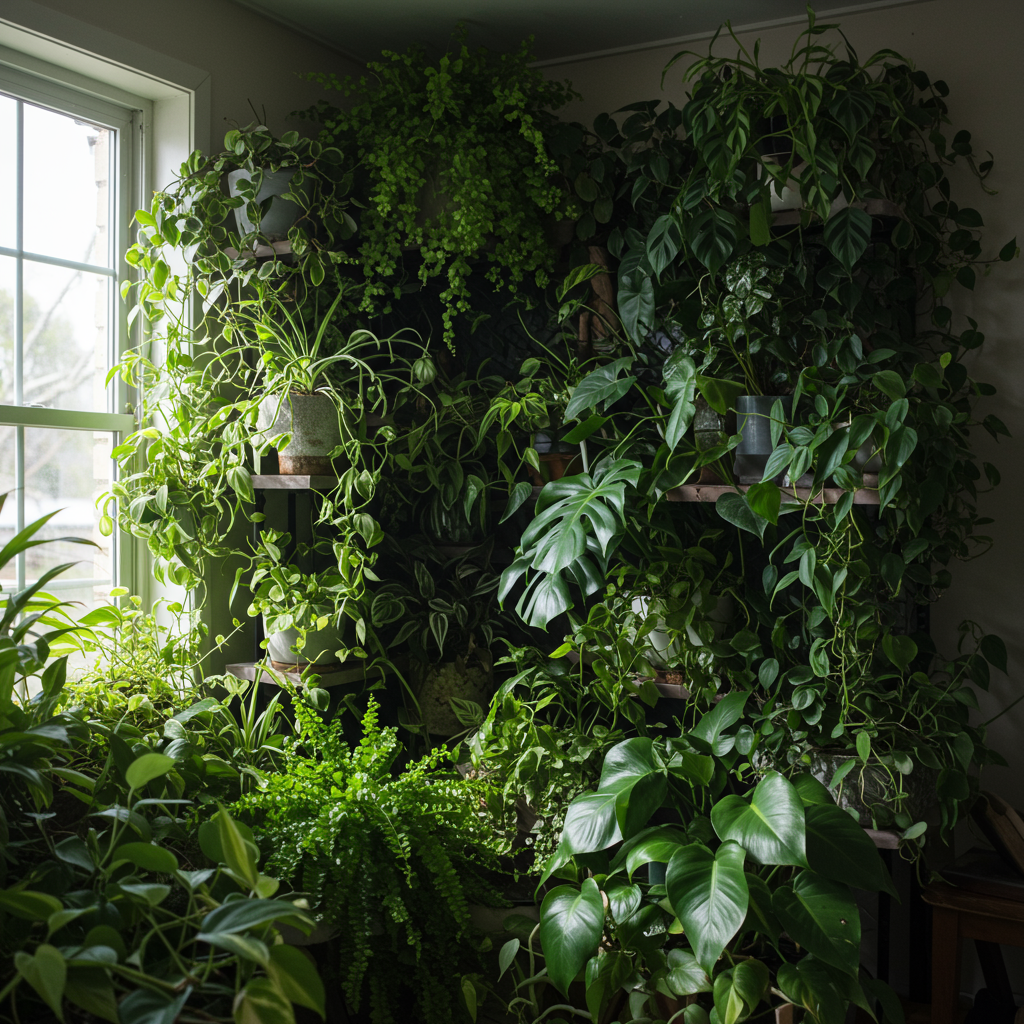
Jungle Fever: Does the idea of transforming your living space into a vibrant, verdant paradise excite you? Grouping houseplants isn’t just about aesthetics; it’s a clever way to mimic their natural environment and boost their overall health. This practice, often referred to as ‘plant communities,’ offers a multitude of benefits, from increased humidity to improved pest control. Ready to unleash your inner plant whisperer and cultivate a lush indoor oasis?
One of the key advantages of grouping plants is the creation of a microclimate. As plants transpire, they release moisture into the air, benefiting their neighbors. This is especially crucial during dry winter months when indoor heating can significantly lower humidity levels. Think of it as building a tiny, self-sustaining ecosystem right in your living room. A collection of ferns, for example, can thrive together, creating a humid pocket that mimics their natural forest floor habitat.
Beyond humidity, plant groupings can also deter pests. Placing pest-prone plants near those that naturally repel insects can act as a natural defense mechanism. For instance, fragrant herbs like rosemary and mint can help ward off spider mites and other common houseplant pests. This organic approach to pest control reduces the need for harsh chemicals, contributing to a healthier home environment.
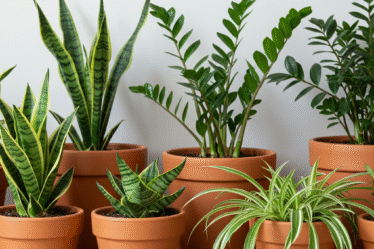
Aesthetically, plant groupings add depth and dimension to any space. Instead of scattering individual pots, consider creating dynamic displays by varying heights and textures. Place taller plants like fiddle leaf figs or snake plants at the back, and cascade down to smaller, trailing plants like pothos or spider plants in the foreground. This creates a visually appealing jungle-like effect, transforming a dull corner into a vibrant focal point.
When grouping plants, remember to consider their individual needs. Plants with similar light and water requirements will naturally thrive together. Avoid placing sun-loving succulents next to shade-dwelling ferns, as their contrasting needs will make it difficult to maintain optimal conditions. Researching the specific needs of your plants before grouping them is essential for success.
Creating a thriving plant community isn’t about simply throwing plants together. It’s about understanding their individual personalities and fostering a symbiotic relationship between them. By paying attention to their needs and creating a harmonious environment, you’ll not only enhance the beauty of your home but also the health and vitality of your green companions. So, embrace your inner plant whisperer and embark on this rewarding journey of creating a lush, thriving indoor oasis.