New Home, New Growth: Repotting is a crucial aspect of plant care, offering your green companions the space and fresh nutrients they need to flourish. It’s not just about a bigger pot; it’s about revitalizing the very foundation of their health. This comprehensive guide delves into the art of repotting, empowering you with the knowledge to nurture your plants towards vibrant growth.
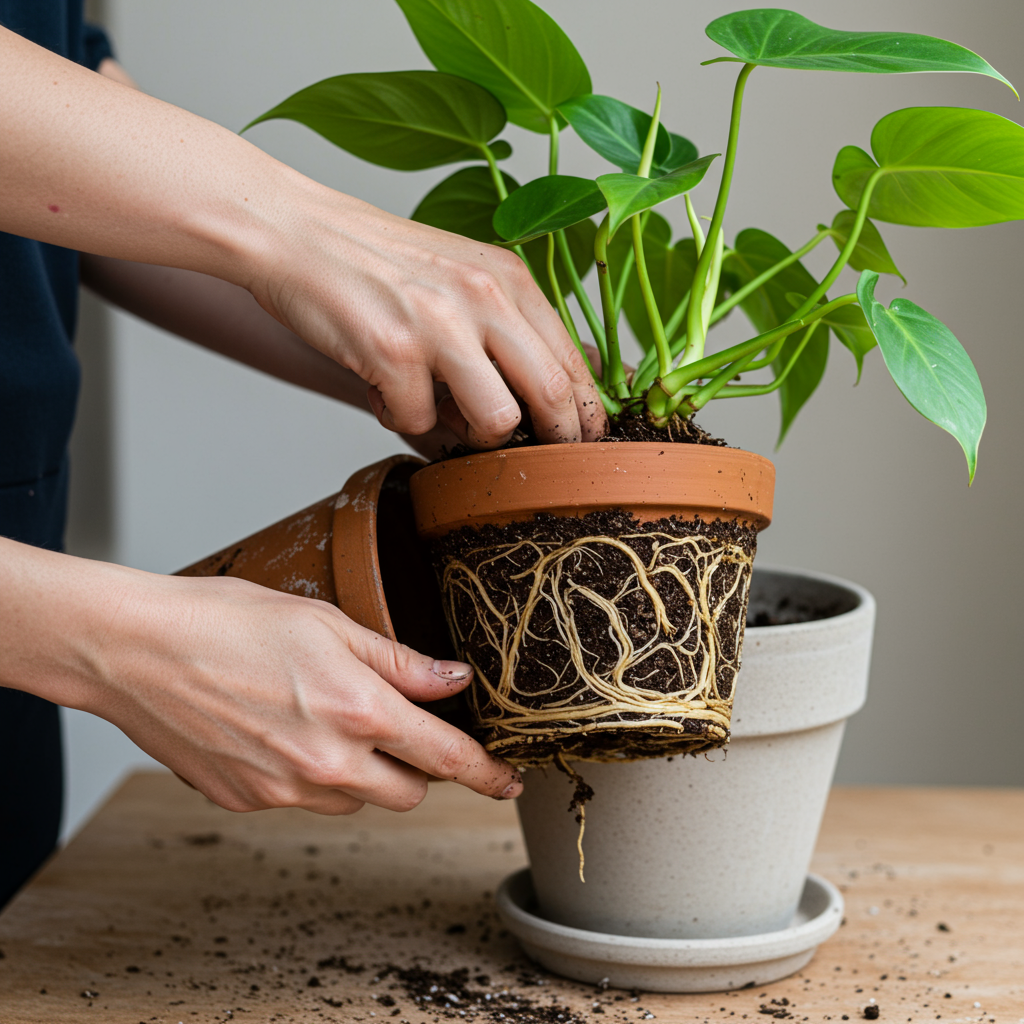
When does a plant whisper for a new home? Several telltale signs indicate it’s time for a change. Roots circling the bottom of the pot, or even poking out of the drainage holes, signal overcrowding. Slowed growth, despite adequate watering and light, can also suggest rootbound conditions. Another clue is when water runs straight through the pot without being absorbed, indicating the soil has become compacted and hydrophobic.
Choosing the right pot is paramount. Opt for a container only slightly larger than the previous one – typically one to two inches wider in diameter. A drastic increase in pot size can lead to overwatering and root rot. Ensure the new pot has adequate drainage holes to prevent waterlogging. Terracotta pots, with their porous nature, allow for better air circulation, while plastic pots retain moisture more effectively, catering to plants with higher water needs.
The repotting process itself requires a gentle touch. Carefully remove the plant from its old pot, loosening the root ball gently. Trim any circling or damaged roots. Place a layer of fresh potting mix at the bottom of the new pot, creating a base for the plant to sit on. Position the plant centrally and fill the remaining space with potting mix, ensuring the top of the root ball is just below the rim of the pot. Water thoroughly after repotting, allowing excess water to drain freely.
The timing of repotting depends largely on the plant’s growth cycle. Spring, as plants emerge from dormancy and enter a period of active growth, is generally the ideal time. However, actively growing plants can often tolerate repotting at other times of the year, provided they are given proper care afterwards. Avoid repotting during the winter months, when plants are dormant and more susceptible to stress.
Repotting isn’t just about providing more space; it’s also an opportunity to refresh the soil, replenishing essential nutrients. Choose a high-quality potting mix that suits your plant’s specific needs. Consider adding slow-release fertilizer to provide a steady supply of nutrients over time. With proper care and attention, repotting can transform your plants, encouraging vigorous growth and vibrant foliage. By understanding the nuances of this essential practice, you can cultivate a thriving indoor jungle, filled with healthy, happy plants.