
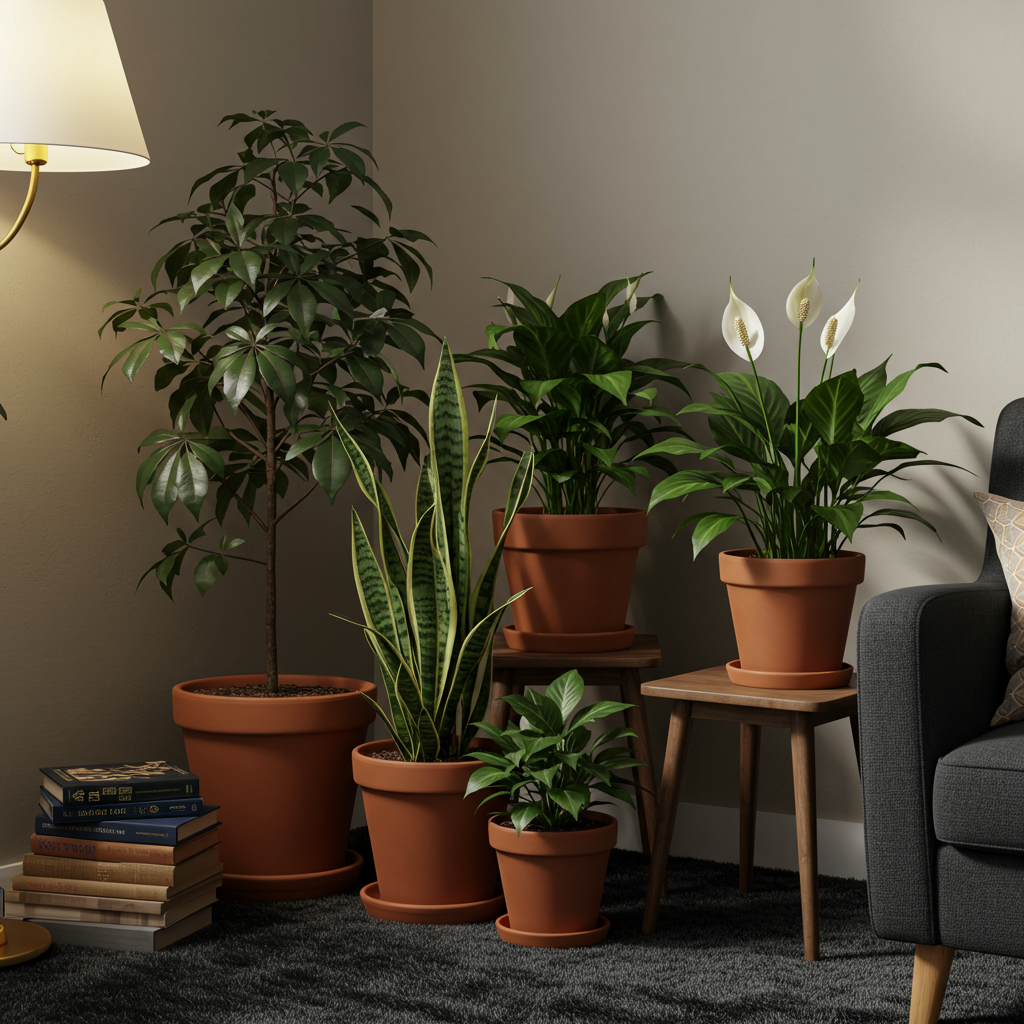
Don’t let a lack of sunlight stifle your indoor jungle dreams. Many stunning houseplants flourish in low-light conditions, bringing life and vibrancy to even the dimmest corners of your home. This guide explores the best low-light champions, offering tips and tricks to ensure they thrive and brighten your space, regardless of limited sun exposure.
First, let’s debunk a common misconception: “low light” doesn’t mean no light. These plants still require some indirect light; think north-facing windows or spaces a few feet away from a light source. Direct sunlight, however, can scorch their leaves. So, what are the stars of the shade? The peace lily, with its elegant white blooms, is a classic choice. Its air-purifying qualities are a bonus! Similarly, the snake plant, known for its striking upright leaves, tolerates neglect and low light with remarkable resilience. I’ve personally witnessed a snake plant thrive in a dimly lit hallway for years, requiring minimal care.
For those seeking a touch of drama, the ZZ plant, with its deep green, almost black foliage, is a fantastic option. It’s incredibly drought-tolerant and can handle extremely low light. If you’re a fan of trailing plants, the pothos is your go-to. Its heart-shaped leaves come in various shades of green and yellow, cascading beautifully from shelves or hanging baskets. I’ve even seen a pothos thrive under fluorescent office lighting! Another popular choice is the cast iron plant, aptly named for its ability to withstand almost any condition, including low light, infrequent watering, and temperature fluctuations.
Caring for low-light plants requires a slightly different approach than their sun-loving counterparts. Overwatering is a common pitfall. Allow the soil to dry out between waterings, and avoid using cold water, which can shock the roots. During the winter months, reduce watering frequency even further, as plants enter a dormant phase. Regularly dusting the leaves helps them absorb the available light more efficiently. Finally, consider using a balanced liquid fertilizer every few months during the growing season to provide essential nutrients.
Embracing low-light houseplants opens up a world of possibilities for transforming any space into a green oasis. With a little understanding of their needs, you can cultivate a thriving indoor garden, even without abundant sunshine. So, ditch the fear of dim corners and embrace the beauty of these resilient, shade-loving wonders. Which low-light plant will you choose to brighten your home?


