Juicing vs. blending—it’s a debate that has health enthusiasts everywhere picking sides. Which method truly reigns supreme for maximizing your nutritional intake and achieving your wellness goals? This article dives deep into the science behind each process, exploring the benefits and drawbacks to help you make the most informed decision for your health journey.
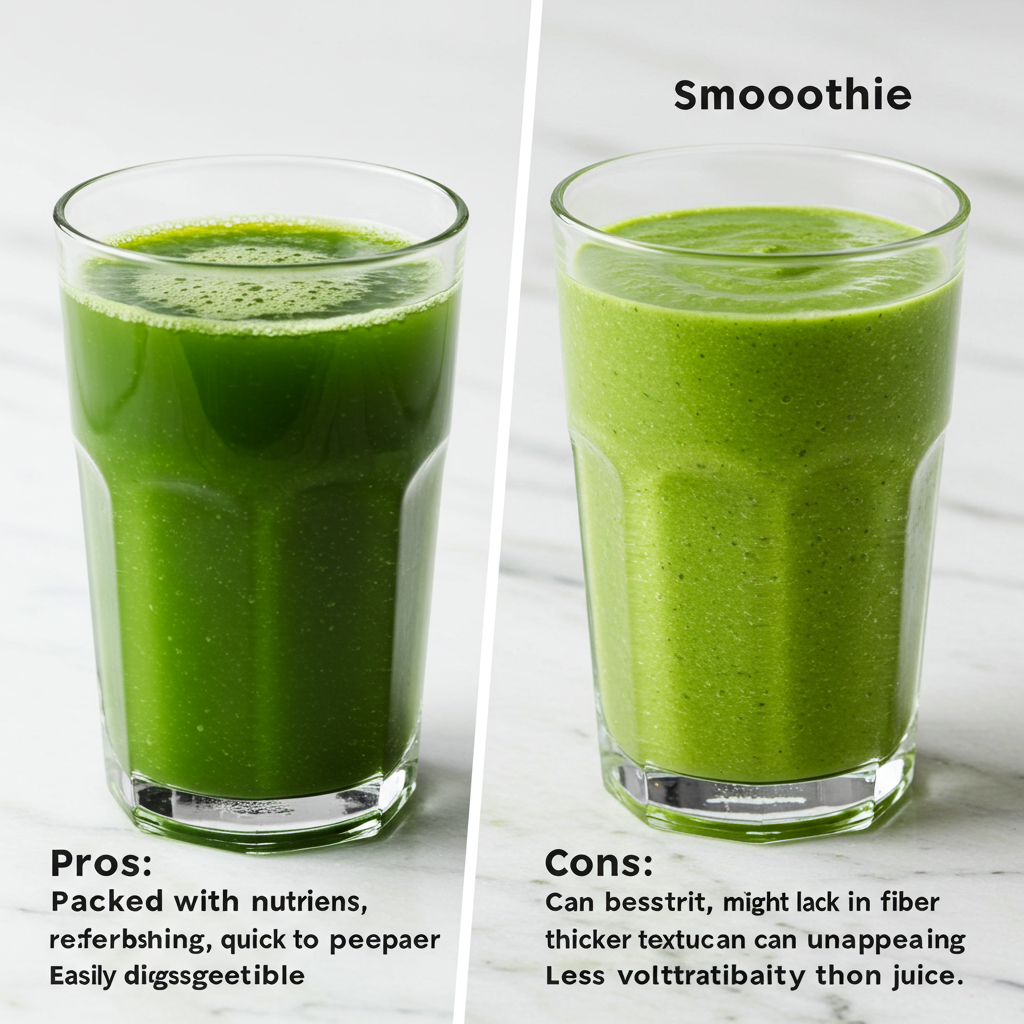
Juicing extracts the liquid from fruits and vegetables, leaving behind the pulp and fiber. This results in a concentrated dose of vitamins, minerals, and antioxidants, readily absorbed by your body. Think of it as a fast-track to nutrient delivery. For individuals seeking a quick and potent nutritional boost, or those with digestive issues who struggle with fiber, juicing can be incredibly beneficial. Imagine starting your day with a vibrant glass of celery juice, flooding your system with anti-inflammatory compounds. Or perhaps a refreshing blend of beet and ginger juice to enhance circulation and energy levels. The possibilities are endless.
However, juicing does have its downsides. The fiber removal process, while offering certain advantages, also means missing out on the gut-health benefits and satiety that fiber provides. Furthermore, juicing can be more time-consuming than blending, requiring specialized equipment and thorough cleaning. And let’s be honest, sometimes that mountain of pulp left behind can feel a little disheartening.
Blending, on the other hand, pulverizes the entire fruit or vegetable, creating a thicker, more substantial beverage. Because the fiber remains intact, blending offers significant advantages for digestive health, promoting regularity and feeding beneficial gut bacteria. The fiber also contributes to feelings of fullness, making blended drinks an excellent choice for weight management. Picture a creamy spinach and banana smoothie, packed with fiber, protein, and healthy fats, keeping you satisfied until lunchtime. Or a vibrant berry blend bursting with antioxidants and fiber to support your overall well-being.
While blending retains more fiber, it can also mean a slightly slower absorption of nutrients compared to juicing. Additionally, the texture of blended drinks might not appeal to everyone, especially those who prefer a thinner consistency. But with a little creativity, you can achieve the perfect texture by adding liquids like water, coconut milk, or almond milk.
Ultimately, the “better” method depends entirely on your individual health goals and preferences. If you’re looking for a quick nutrient boost and easier digestion, juicing might be your winner. If you prioritize gut health, satiety, and a more substantial beverage, blending takes the crown. Perhaps the ideal approach is to incorporate both methods into your routine, enjoying the unique benefits of each. Experiment, find what works best for you, and savor the journey towards a healthier, more vibrant you.