
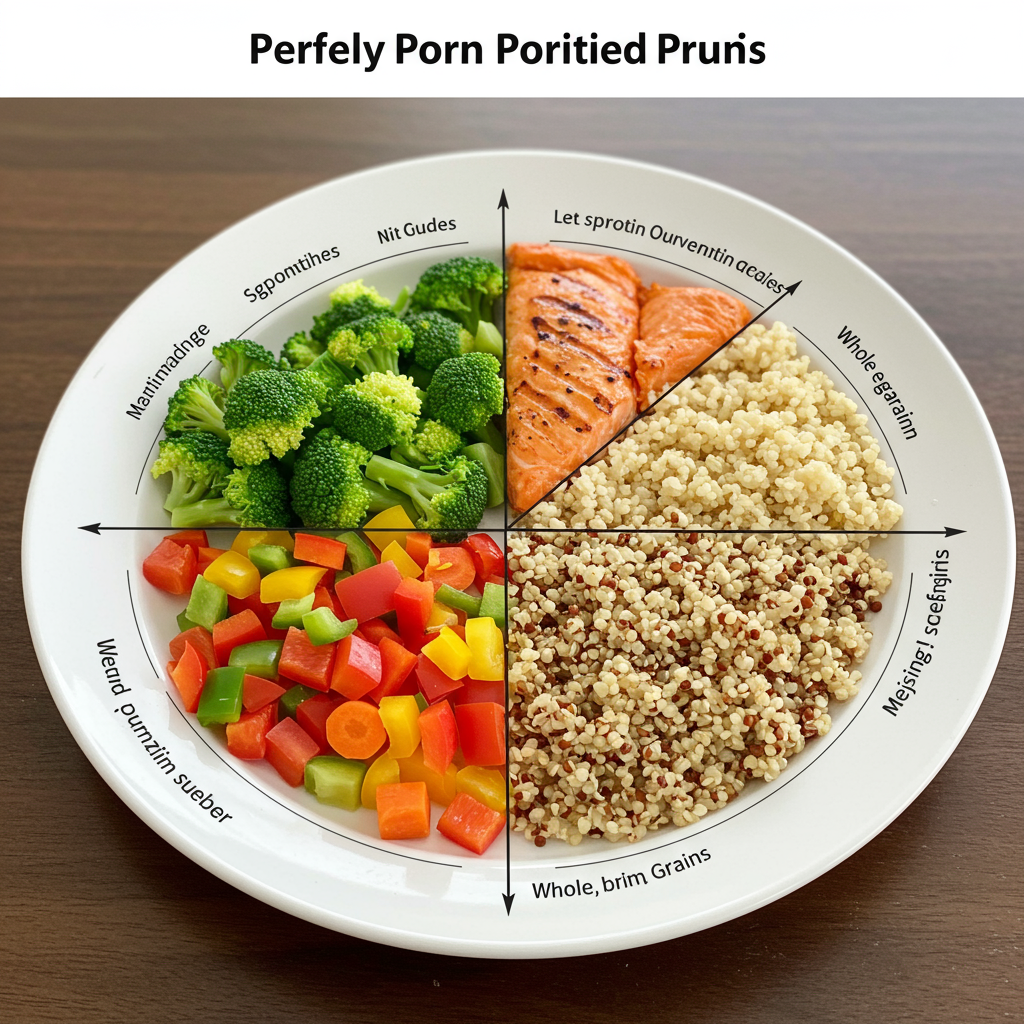
Achieving plate perfection isn’t about restrictive dieting; it’s about nourishing your body with the right balance of nutrients in appropriate portions. It’s a journey towards sustainable healthy eating that fuels your body and mind for optimal performance. This article will delve into the core principles of building a balanced meal, incorporating proper portion control techniques that are easy to implement into your daily life.
The foundation of a balanced meal rests upon the three macronutrients: carbohydrates, proteins, and fats. Think of your plate as a canvas, and these macronutrients are the primary colors you’ll use to create a nutritional masterpiece. Carbohydrates, ideally complex carbs like whole grains and vegetables, provide sustained energy. Lean proteins, such as fish, poultry, beans, or lentils, are essential for building and repairing tissues. Healthy fats, found in avocados, nuts, and olive oil, support cell function and contribute to satiety.
Visualizing your plate can be incredibly helpful. Imagine dividing it into sections. Half of your plate should be filled with colorful, non-starchy vegetables like broccoli, spinach, or peppers. These provide essential vitamins, minerals, and fiber. One quarter of your plate should be dedicated to lean protein, and the remaining quarter to complex carbohydrates. Adding a small serving of healthy fats, like a drizzle of olive oil or a handful of almonds, completes the picture.
Portion control is just as crucial as choosing the right foods. Overeating, even healthy foods, can lead to weight gain and other health issues. A simple trick is to use smaller plates and bowls. This can visually trick your brain into thinking you’re eating more than you actually are. Paying attention to your body’s hunger and fullness cues is also key. Eat slowly and savor each bite, allowing your body time to register when it’s satisfied.
Another helpful strategy is pre-portioning your meals and snacks. Packing your lunch or preparing individual servings of snacks ahead of time removes the guesswork and helps you stay on track. Reading food labels carefully is also essential. Understanding serving sizes and calorie content empowers you to make informed choices. Remember, portion control isn’t about deprivation; it’s about mindful eating and respecting your body’s needs.
Beyond the plate, hydration plays a vital role in overall health and can even aid in portion control. Drinking water before and during meals can help you feel fuller, preventing overeating. Finally, don’t be afraid to experiment and find what works best for you. Building a balanced meal with proper portion control is a personalized journey. Listen to your body, adjust your approach as needed, and enjoy the process of nourishing yourself with delicious, healthy food.


