
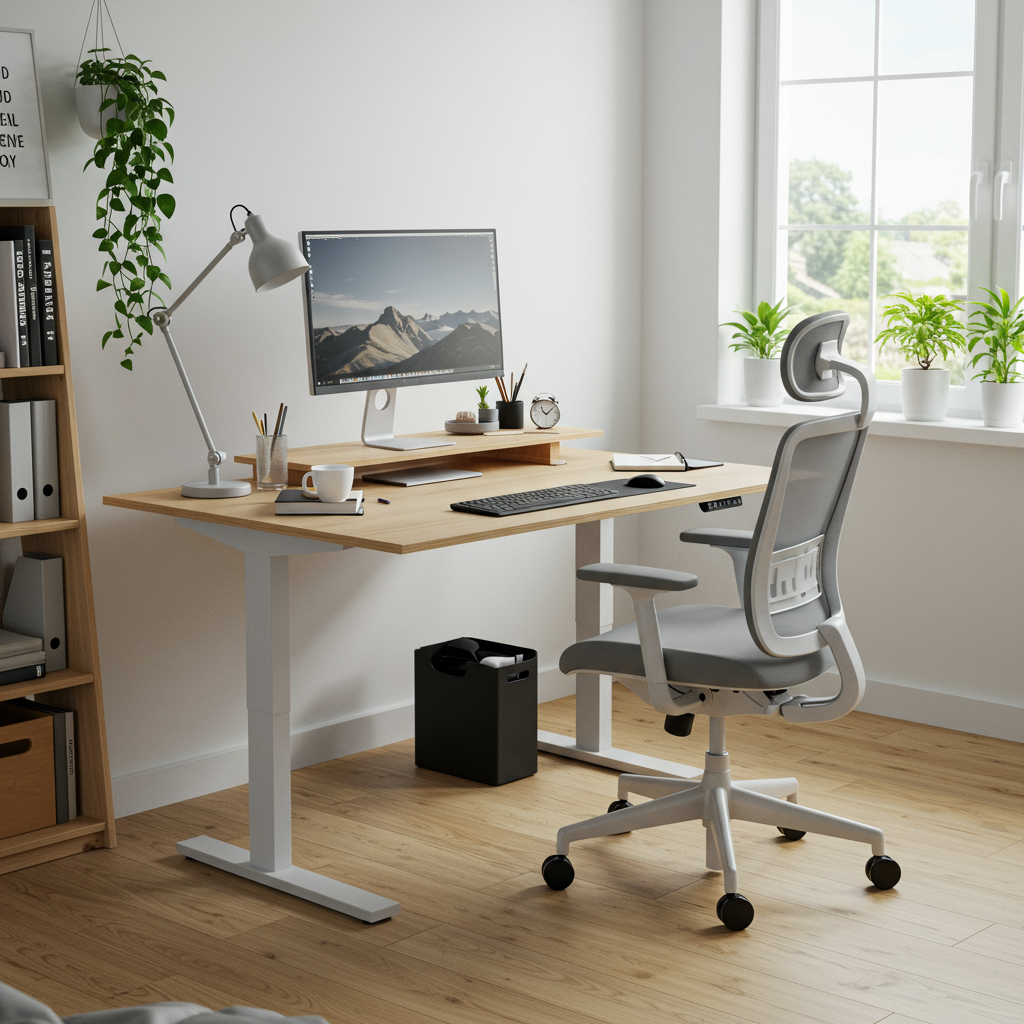
The rise of remote work has transformed kitchen tables and spare bedrooms into makeshift offices. While this offers flexibility, it also presents challenges, particularly regarding ergonomics. An uncomfortable workspace can lead to decreased productivity, discomfort, and even long-term health issues. This article explores the crucial role of ergonomics in designing a comfortable and productive home workspace.
Ergonomics, simply put, is designing a workspace to fit the worker, not the other way around. It considers the interaction between individuals and their work environment, aiming to optimize comfort and efficiency. In a home office setting, applying ergonomic principles can significantly improve your work experience.
One key aspect is proper posture. Slouching over a laptop on the sofa might seem relaxing initially, but it can quickly lead to back and neck pain. Investing in an adjustable chair that supports your spine’s natural curvature is crucial. Ensure your feet are flat on the floor or use a footrest. Position your monitor at arm’s length and at eye level to avoid straining your neck. These small adjustments can make a world of difference.
Another critical element is the arrangement of your workspace. Keep frequently used items, like your keyboard and mouse, within easy reach. This reduces unnecessary stretching and twisting. Consider using a keyboard tray to ensure proper wrist alignment. Organize your desk to minimize clutter and maximize efficiency. A clean and organized workspace promotes focus and reduces stress.
Lighting also plays a significant role in office comfort. Natural light is ideal, so position your desk near a window if possible. Supplement with adjustable task lighting to reduce eye strain and improve visibility. Avoid glare on your computer screen by positioning it away from direct light sources. Proper lighting can enhance mood and productivity.
Taking regular breaks is essential, even in a comfortable workspace. Prolonged sitting can lead to stiffness and fatigue. Stand up and move around every 30-60 minutes to stretch your muscles and improve circulation. Incorporate short walks or stretches into your daily routine. These breaks can revitalize you and prevent long-term health problems.
Finally, personalize your workspace. Adding plants, artwork, or other personal touches can create a more inviting and enjoyable environment. A comfortable and aesthetically pleasing workspace can boost your mood and motivation. Remember, your home office is an extension of your professional life, so make it a space where you can thrive.
Creating an ergonomic home workspace is an investment in your health and productivity. By incorporating these principles, you can transform your home office into a comfortable and efficient environment, allowing you to work smarter, not harder.