
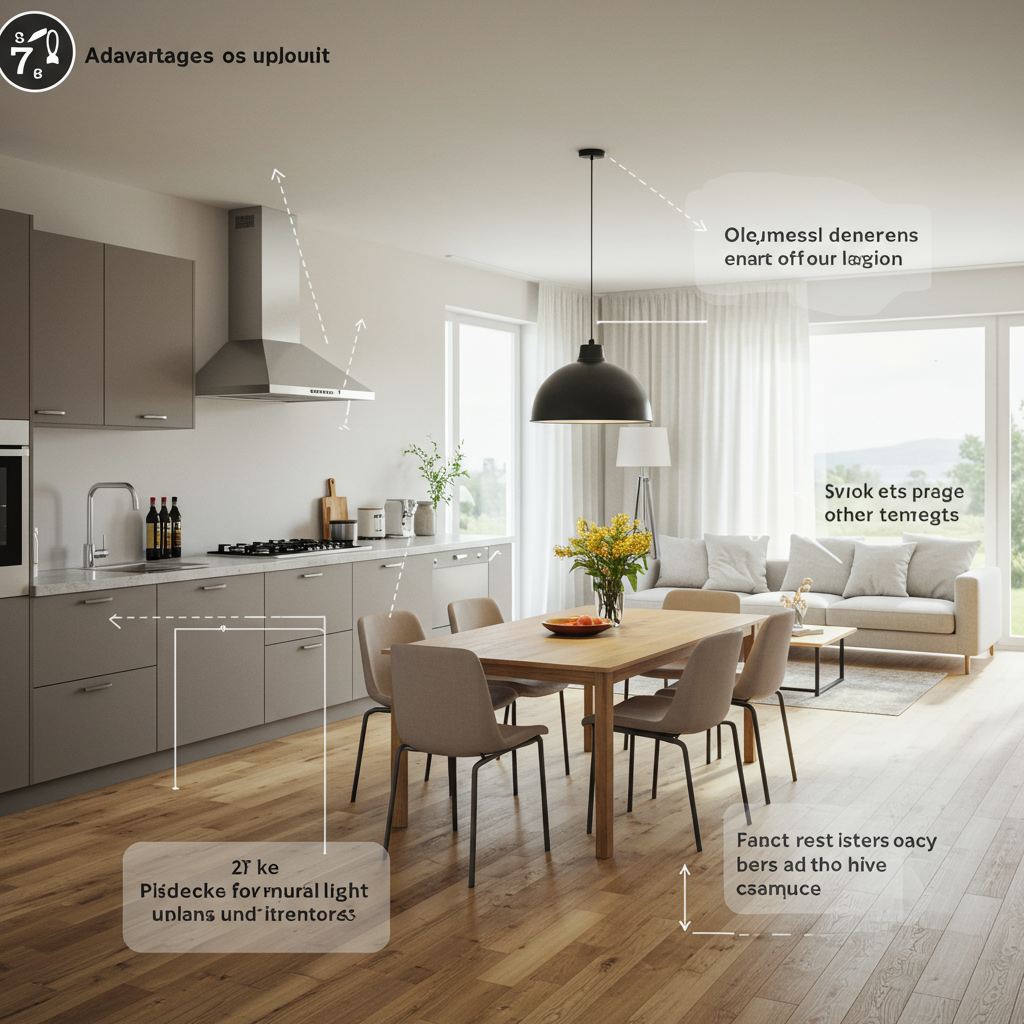
The allure of open concept living has transformed modern home design. Walls have come down, creating expansive, light-filled spaces where kitchen, dining, and living areas seamlessly flow into one another. But is this architectural trend truly all it’s cracked up to be? This article delves into the advantages and disadvantages of open concept living, helping you decide if it’s the right choice for your lifestyle.
One of the most significant benefits of open concept design is the enhanced sense of spaciousness. By removing physical barriers, even smaller homes can feel significantly larger and more airy. Natural light flows freely, illuminating every corner and creating a brighter, more welcoming atmosphere. This design also fosters a greater sense of connection between family members. With shared sightlines and easy communication, parents can keep an eye on children while preparing meals, and guests can mingle effortlessly during social gatherings.
However, open concept living also presents its challenges. Noise control can be a major issue. The lack of walls means that sounds from the television, cooking activities, and conversations travel unimpeded throughout the space, potentially creating a chaotic and distracting environment. Maintaining a tidy appearance also requires more effort. With everything visible, clutter in one area impacts the entire space. This necessitates a more disciplined approach to organization and cleaning.
Another potential drawback is the lack of privacy. While fostering connection is a positive aspect, the absence of defined spaces can make it difficult to retreat for quiet time or private conversations. This can be particularly challenging for families with diverse needs and schedules. Furthermore, defining distinct functional zones within an open concept layout requires careful planning and strategic furniture placement. Thoughtful design choices, such as area rugs, varied lighting fixtures, and furniture groupings, are essential to delineate spaces and create a sense of visual order.
The cost of implementing an open concept design can also be a factor. Removing load-bearing walls requires structural engineering expertise and can significantly increase renovation expenses. Additionally, the larger, combined space often necessitates more extensive heating and cooling systems, potentially impacting energy costs.
Ultimately, the decision of whether to embrace open concept living is a personal one. Weighing the pros and cons carefully, considering your lifestyle, family dynamics, and budget, will help you determine if this popular design trend is the right fit for your home. While the expansive feel and enhanced social interaction are undeniably appealing, the potential downsides related to noise, privacy, and cost warrant careful consideration before embarking on this significant architectural change.