
Propagating plants offers a rewarding way to expand your garden without spending a fortune. This ancient practice, harnessing the incredible regenerative power of plants, allows you to create new specimens from existing ones, effectively multiplying your leafy companions for free. Whether you’re a seasoned gardener or just starting out, understanding the basics of propagation can unlock a world of possibilities, transforming a single cherished plant into a thriving collection.
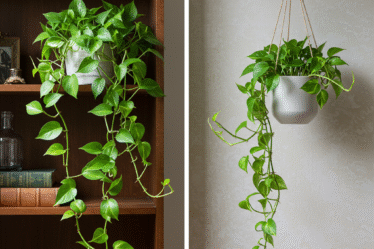
Several methods exist for propagating plants, each suited to different species and skill levels. One of the most common techniques is stem cuttings. This involves taking a section of stem from a healthy plant and encouraging it to root. Select a stem that is firm and free of disease, making a clean cut just below a node (where leaves or branches grow). Remove the lower leaves to prevent rotting, and then place the cutting in water or moist potting mix. Factors like humidity, light, and temperature play a crucial role in successful rooting, so research the specific needs of your chosen plant.
Another popular method is propagation through division. This technique works well for plants that grow in clumps, such as hostas or irises. Carefully dig up the plant, gently separate the roots into smaller sections, ensuring each division has a healthy portion of roots and foliage, and then replant them in individual pots or directly into the ground. Division is best done during the dormant season, allowing the plants to establish themselves before active growth begins.
For more adventurous gardeners, layering is a fascinating propagation method. This involves bending a stem of a plant down to the ground and encouraging it to root while still attached to the parent plant. Once roots have formed, the layered stem can be separated and planted independently. Air layering, a variation of this technique, involves wounding a stem and enclosing it in moist sphagnum moss until roots develop. This method is particularly useful for propagating woody plants or those with thicker stems.
Finally, propagating from seed, while requiring more patience, can be an incredibly fulfilling experience. Sowing seeds offers the opportunity to grow a wide variety of plants, including many that are difficult to propagate through other methods. Start seeds indoors in a controlled environment, providing adequate light, moisture, and warmth. Once seedlings have developed a strong root system and the weather is favorable, they can be transplanted outdoors.
Propagating plants is more than just a cost-effective way to expand your garden; it’s a connection to the natural world, a testament to the resilience and ingenuity of plant life. By understanding the principles of propagation, you can cultivate a deeper appreciation for the plants you grow and create a thriving green space that reflects your unique gardening style.