Understanding the delicate balance of light and water is crucial for nurturing thriving houseplants. These two fundamental elements are the cornerstones of a healthy indoor garden, and mastering their provision will transform you from a struggling plant parent to a green-thumbed guru. This article delves into the intricacies of light and water requirements, offering practical advice to ensure your leafy companions flourish.
Light, the engine of photosynthesis, fuels a plant’s growth and development. Different plants have varying light needs, from the sun-loving succulents that crave bright, direct light, to the shade-tolerant ferns that prefer dappled or indirect illumination. Observe your plant’s leaves for clues: pale, yellowing leaves often indicate insufficient light, while scorched or brown leaves suggest excessive exposure. Positioning your plants near windows facing the appropriate direction – south for maximum sun, east or west for moderate light, and north for shade – is a key first step. Supplementing natural light with artificial grow lights can be beneficial, especially during winter months or for plants located in darker corners.
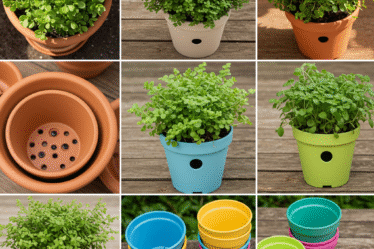
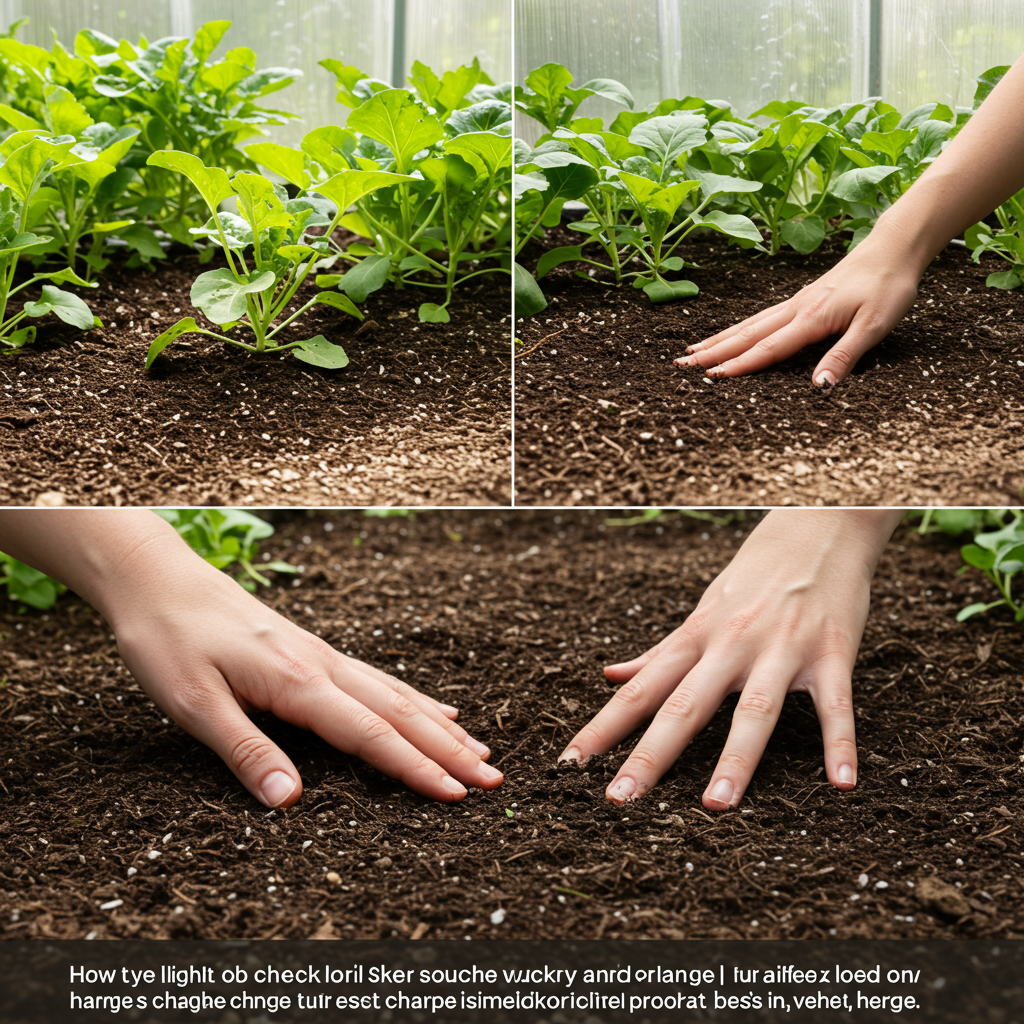
Watering, equally vital, provides the hydration necessary for nutrient transport and overall plant health. Overwatering, a common pitfall, can lead to root rot, a fatal condition for many houseplants. Conversely, underwatering results in wilting, stunted growth, and eventual desiccation. The key is to water thoroughly, allowing excess water to drain from the pot, and then allowing the soil to dry out slightly between waterings. The frequency of watering depends on factors such as plant type, pot size, soil composition, and ambient temperature and humidity. A good rule of thumb is to stick your finger about an inch into the soil; if it feels dry, it’s time to water. Using a well-draining potting mix is also crucial to prevent waterlogging.
Beyond simply providing light and water, understanding the nuances of your specific plant’s needs is paramount. Researching the native habitat of your houseplant can provide valuable insights into its preferred light and water conditions. For instance, cacti and succulents, originating from arid environments, require significantly less water than tropical plants accustomed to humid rainforests. Paying attention to these individual needs is the key to fostering a vibrant and flourishing indoor oasis.
Finally, remember that observation is your greatest tool. Regularly monitoring your plants for signs of stress, such as drooping leaves, discoloration, or slow growth, can help you identify and address any imbalances in light or water provision. By understanding the fundamental principles of light and water, and by adapting your approach to the specific needs of each plant, you can cultivate a thriving indoor garden that brings joy and tranquility to your home.